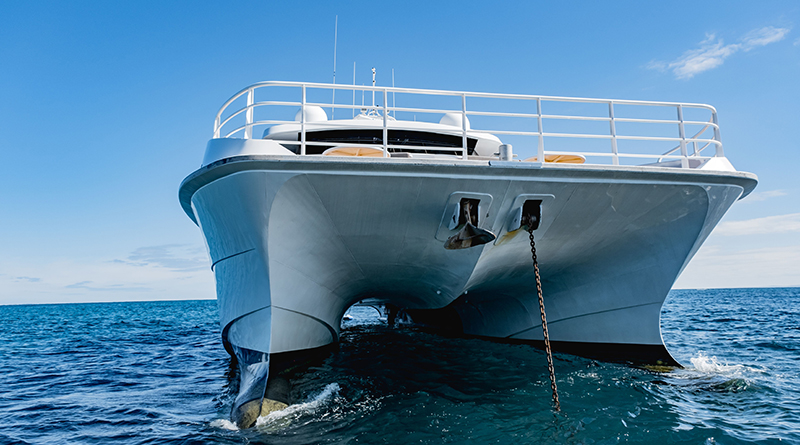
Few things catch a boater’s eye faster than a hull that gleams in the afternoon sun.
Whether tied up at the dock in Newport Harbor, cruising across Avalon Harbor or returning from an offshore fishing trip, a clean, glossy hull says something about the care that has gone into the boat. But that shine isn’t just about appearance. According to gelcoat maintenance experts, routine gelcoat care protects one of a boat’s most important defenses against the harsh marine environment while helping preserve its long-term value.
Although many boaters think of gelcoat as simply the boat’s exterior finish, it actually serves a much larger purpose.
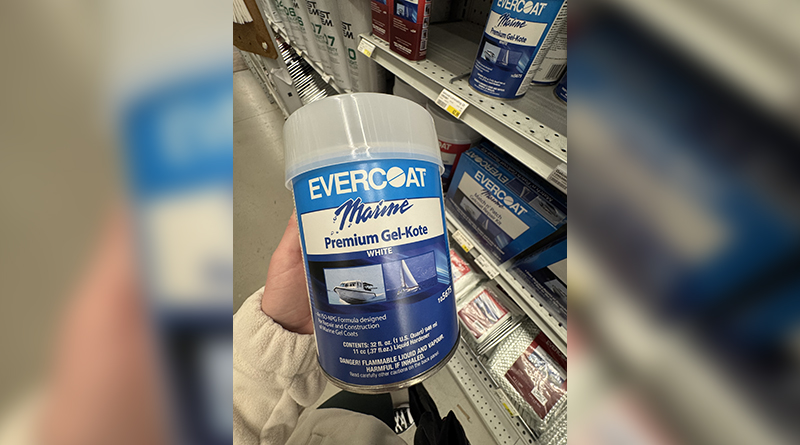
Gelcoat is the protective outer coating sprayed into a polished mold before fiberglass is laid during the manufacturing process. The result is the smooth, mirror-like finish found on virtually every fiberglass recreational boat. Over time, however, constant exposure to ultraviolet rays, saltwater, pollution and weather begins to break that protective surface down.
As oxidation develops, the once-glossy finish becomes dull and chalky. The surface also becomes increasingly porous, making it easier for dirt, rust, exhaust stains, and organic debris to penetrate the finish.
The good news, according to a gelcoat restoration guide published by Practical Sailor, is that most oxidized gelcoat can be restored, provided it has not been worn completely through.
That restoration begins long before a buffer ever touches the hull.
Experts recommend thoroughly washing the boat with a marine-specific boat soap before attempting any polishing or waxing. Unlike common household dish soaps, marine soaps are designed to rinse clean while being less harmful to the marine environment. Washing also gives owners an opportunity to inspect the hull for stress cracks, gouges or other damage that may require repair before cosmetic work begins.
Even after washing, many boats still carry stains that soap alone cannot remove.
Mineral stains, including rust and black streaks, along with organic stains from bird droppings, leaves and beverages, often penetrate below the surface of oxidized gelcoat. Practical Sailor notes that acid-based marine stain removers are typically the most effective solution because they chemically dissolve stains while requiring very little scrubbing. Owners should wear protective gloves and eye protection when using these products and avoid contact with painted or varnished surfaces.
Once the stains are gone, attention turns to oxidation.
Light oxidation simply dulls the finish, while heavier oxidation produces the familiar chalk-like residue many older boats develop after years in the sun. Removing that oxidation requires polishing or, in more severe cases, rubbing compounds.
Unlike wax, which only protects the surface, polishing compounds use fine abrasives to smooth the porous gelcoat and restore its gloss. Practical Sailor recommends using the least aggressive product necessary since every polishing session removes a small amount of gelcoat. Heavily oxidized boats may require rubbing compound followed by progressively finer polishes to restore the original finish.
Only after the oxidation has been removed should wax be applied.
Wax acts as the protective barrier that seals the restored surface against oxygen and ultraviolet damage, slowing the oxidation process that caused the deterioration in the first place. There are several types of marine waxes available, each offering different advantages depending on how the boat is used. Pure carnauba wax provides the deep, warm shine many owners prefer but generally requires more frequent applications. Polymer waxes last significantly longer and are often favored by owners whose boats spend the entire year outdoors. Hybrid carnauba-polymer blends offer a balance between appearance and durability.
For Southern California boaters, where sunshine is nearly a year-round companion, that protection becomes especially important.
According to Practical Sailor’s recommendations, boats kept outdoors in climates with intense UV exposure may benefit from waxing twice each year rather than only once at the beginning of the boating season. A simple way to tell when it’s time for another coat is by watching how water behaves on the hull. If water no longer beads and instead sheets across the surface, the protective wax has likely worn away.
Many owners also assume that polishing and waxing molded non-skid decks will make them slippery.
In reality, Practical Sailor notes that non-skid surfaces in good condition can be polished and protected without significantly reducing traction when the proper products are used.
Another decision boat owners face is whether to tackle the project by hand or use a machine.
While traditional rotary polishers can restore a finish quickly, they require experience. Used improperly, they can actually burn through the gelcoat. For most recreational boaters, Practical Sailor recommends a random orbital, or dual-action, polisher because its motion greatly reduces the chance of damaging the surface while still producing professional-looking results. Whichever method is chosen, experts recommend working in small sections and completing each area before moving to the next to achieve an even finish.
There are also situations where a full four-step restoration may not be necessary.
For boats showing only light oxidation, combination polish-and-wax products can provide acceptable results while reducing the amount of time spent maintaining the hull. Although separate polishing and waxing generally produce the best finish, one-step products remain a practical option for owners looking to freshen up a boat that has already been well maintained.
Beyond appearance, routine gelcoat maintenance can have a measurable financial impact.
A glossy hull not only reflects pride of ownership but can also improve a boat’s resale appeal. Prospective buyers often view the condition of the gelcoat as an indication of how well the entire vessel has been maintained. While faded, chalky surfaces can suggest years of deferred maintenance, a well-cared-for finish communicates that the owner has invested time in preserving the boat.
Ultimately, maintaining gelcoat is less about achieving showroom shine and more about protecting the fiberglass beneath it from years of exposure to the marine environment.
Regular washing, prompt stain removal, periodic polishing and consistent waxing all work together to preserve one of a boat’s most valuable assets. In Southern California, where boats spend countless hours under intense sunshine and in saltwater, that maintenance can mean the difference between a hull that continues turning heads at the marina and one that slowly fades into the background.