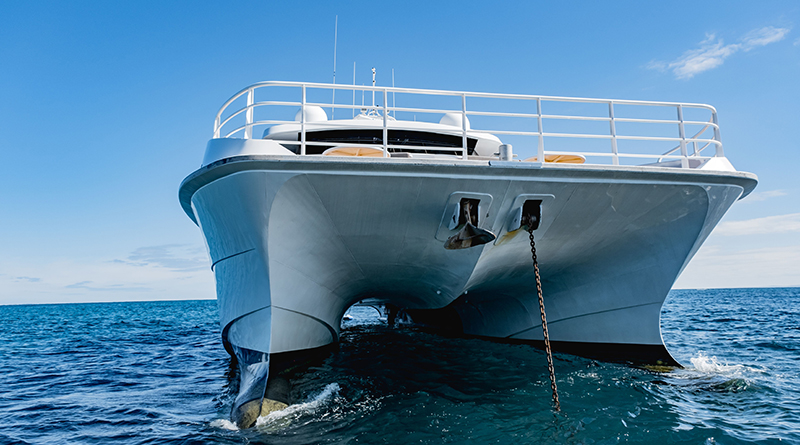
What boat buyers should know before paying extra for long-term protection.
Buying a boat is one of the largest recreational investments many people will ever make. Along with selecting the right model, engine, and electronics package, buyers are often presented with another decision before signing the paperwork: Should they purchase an extended warranty?
Like many optional add-ons, the answer isn’t always straightforward.
For some boat owners, an extended warranty can provide peace of mind and help offset the cost of unexpected repairs. For others, it may never be used. Understanding what these plans typically cover — and what they don’t — can help buyers determine whether the added expense makes sense for their style of boating.
Unlike a manufacturer’s warranty, which is generally included with the purchase of a new boat for a specified period, an extended warranty is additional coverage purchased separately. It’s designed to continue protecting certain components after the original warranty expires.
Coverage varies widely depending on the provider and the specific plan, but extended warranties commonly focus on major mechanical systems, including engines, transmissions, steering systems and some onboard equipment. Certain plans may also include electrical components, generators, air conditioning systems or other factory-installed equipment.
However, buyers should never assume every component is covered.
Just as with automobile warranties, extended marine warranties often contain exclusions. Routine maintenance items, cosmetic damage, upholstery, bottom paint, corrosion, wear-and-tear components and owner-caused damage are frequently excluded from coverage.
Reading the fine print before purchasing a policy is one of the most important steps buyers can take.
Another common misconception is that every repair will automatically be covered. Many plans require repairs to be completed at approved service facilities or require authorization before work begins. Some warranties also have deductibles or limits on labor reimbursement.
For owners who cruise long distances or trailer their boats across state lines, it’s also worth confirming where warranty service is accepted. A warranty that works well close to home may be less convenient if a breakdown occurs hundreds of miles away.
The type of boat being purchased can also influence whether an extended warranty makes financial sense.
Today’s boats are far more technologically advanced than those built even a decade ago. Multifunction displays, digital switching systems, joystick controls, integrated autopilots, sophisticated outboards and computerized engine management systems have made boating more enjoyable and capable than ever before. They have also increased the complexity — and in some cases the potential repair costs — of modern vessels.
Luxury cruising boats with generators, gyrostabilizers, air conditioning systems and extensive electronics generally have more systems that could require service over time than a simpler center console used primarily for day trips.
Likewise, buyers considering a used boat may view an extended warranty differently than someone purchasing a brand-new model. If the manufacturer’s original warranty has expired, an aftermarket protection plan may provide added confidence, particularly if the vessel contains expensive mechanical or electronic equipment.
Still, warranties aren’t a substitute for a thorough pre-purchase inspection.
Marine surveys and engine inspections remain some of the best investments prospective buyers can make before purchasing a used boat. Identifying existing issues before the sale is often more valuable than relying on warranty coverage afterward.
Boat owners should also weigh how they plan to use their vessel.
Someone who logs dozens of offshore trips each year will naturally put more hours on engines and onboard systems than someone who spends a handful of weekends cruising the harbor. Increased use can increase wear on components, potentially making extended coverage more attractive.
On the other hand, owners who perform much of their own maintenance, keep their boats in excellent condition and have emergency repair funds set aside may decide they’re comfortable assuming the risk themselves.
Cost is another important consideration.
Extended warranties can range from several hundred dollars to several thousand dollars depending on the boat, engine package, coverage period and deductible. Rather than focusing solely on the purchase price, buyers should compare the cost of the warranty against the potential cost of repairs they’re most concerned about.
In some cases, one significant repair could exceed the cost of the warranty. In others, owners may never submit a claim.
Ultimately, there’s no universal answer as to whether an extended warranty is “worth it.”
Instead, the decision comes down to a buyer’s risk tolerance, the complexity of the boat, expected usage and confidence in handling unexpected repair expenses.
Before signing any agreement, prospective buyers should ask several questions:
- What components are covered?
- What items are specifically excluded?
- Is there a deductible?
- Where can repairs be performed?
- Is prior authorization required before repairs?
- Is the warranty transferable if the boat is sold?
- Are annual maintenance records required to keep coverage valid?
The answers may reveal that one warranty offers significantly more value than another.
For many boat owners, an extended warranty isn’t simply about saving money. It’s about reducing uncertainty. Knowing major mechanical repairs may be covered can allow owners to spend less time worrying about unexpected breakdowns and more time enjoying the water.
Whether purchasing a new offshore fishing boat, a family cruiser or a well-maintained used vessel, taking the time to understand the available protection plans — and reading every page of the contract—can help ensure there are no surprises after leaving the dealership.