Southern California’s summer fishing is heating up. Here’s how to keep your fish as fresh as the day you caught it.
Southern California anglers have plenty to celebrate this summer. Warm water has brought excellent fishing opportunities up and down the coast, with yellowtail, tuna, bonito and other sought-after species keeping rods bent. While many anglers have welcomed the warmer conditions and the boost they’ve brought to local fisheries, the same heat that’s fueled the bite can quickly turn a prized catch into spoiled fillets if it isn’t handled properly.
Taking care of your catch should begin the moment the fish comes over the rail, regardless if you’re fishing aboard a private boat, spending the day on a local sport boat or heading offshore on a multi-day trip. A few simple steps can make the difference between premium table fare and fish that loses quality before you even reach the dock.
One of the first priorities is cooling the fish down as quickly as possible. Heat is the enemy of fresh seafood, and delaying proper care allows bacteria to multiply while the meat continues to retain body heat. Experienced anglers recommend bleeding fish such as yellowtail, tuna, bonito, and white seabass immediately after landing them.
First, stun or dispatch the fish humanely, then cut the gill arches or make a shallow cut near the base of the tail to sever a major blood vessel. Place the fish head-down in clean seawater or a bucket of water for several minutes, allowing the heart to pump out the remaining blood, then rinse and chill it on ice as quickly as possible. Removing the blood not only improves the flavor and appearance of the meat, but also helps extend its freshness.
From there, the fish should be placed on ice without delay. Leaving a fish lying on the deck while continuing to fish may only take a few extra minutes, but under the summer sun those minutes matter. Many Southern California sport boats offer refrigerated or heavily iced fish holds where crew members will tag and store each angler’s catch. Taking advantage of those fish holds is often the best option, especially on overnight and multi-day trips.
For anglers bringing their own storage, preparation begins before leaving the dock. Pre-chilling a hard cooler or insulated fish bag with ice helps lower the temperature of the container before the first fish is added. Soft-sided insulated fish bags have become increasingly popular because they fold flat when empty, take up less room aboard crowded sport boats and can keep fish cold for hours when packed properly with ice.
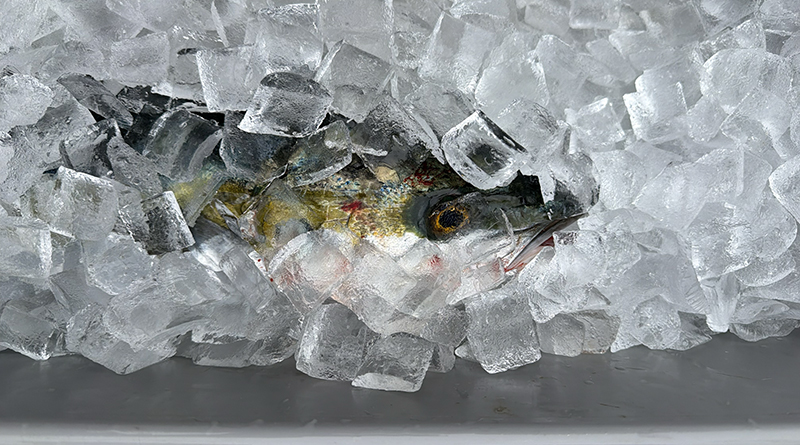
An ice slurry, a mixture of crushed ice and seawater, or crushed ice are often preferred over large ice blocks because they surround the fish and cool it more efficiently. If using a fish sack, simply placing a handful of ice cubes on top of the fish is not enough. The fish should be surrounded by ice whenever possible to cool it evenly.
Anglers should also avoid allowing their catch to sit directly in warm meltwater. While fish benefit from being surrounded by ice, soaking in warming water can speed deterioration. Many coolers include drain plugs to remove excess water, or anglers can elevate fish above the water or place them in sealed plastic bags while keeping them surrounded by ice.
Keeping fish out of direct sunlight is equally important. Whether stored in a cooler, insulated fish bag or temporary fish sack, placing the container beneath a seat, inside the cabin or under a light-colored towel can help keep temperatures down throughout the day.
Another simple trick used by experienced anglers is freezing gallon jugs or water bottles before a trip. Frozen bottles melt much more slowly than loose ice, helping keep coolers cold longer while eliminating the mess created by melting ice. Some anglers also supplement traditional ice with reusable frozen cooling packs designed specifically for fishing and outdoor use.
One mistake many anglers make is overcrowding a fish sack or cooler. Packing several warm fish tightly together makes it harder for the ice to cool each fish efficiently. Spreading fish out when possible or utilizing the boat’s fish hold can help maintain better temperatures.
When it’s time to head home, experts also recommend leaving fish whole until arriving at a cleaning station or home unless regulations require otherwise. The skin and bones help protect the meat from drying out and warming during transport.
Perhaps the simplest advice is to bring more ice than you think you’ll need. Many seasoned offshore anglers estimate using at least one pound of ice for every pound of fish they expect to bring home during Southern California’s hottest months.
A successful day on the water doesn’t end when the fish hits the deck. With warm summer weather and excellent fishing expected to continue, taking a few extra minutes to properly care for your catch will help ensure that the fillets served at home taste every bit as good as the excitement of landing them.
Tech Tip: If you’re fishing aboard a crowded sport boat where deck space is limited, consider bringing a foldable insulated fish bag instead of a bulky cooler. It stores easily when empty, keeps fish cold when packed with crushed ice, and works well alongside the boat’s fish hold for maximum freshness.