

Modern marine lighting can improve visibility, reduce power consumption, and change how a boat functions after dark — but installation and placement matter.
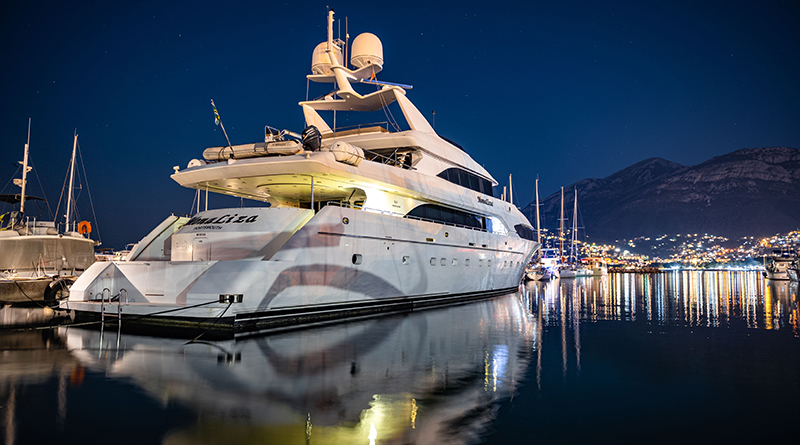
Walk through a Southern California marina after sunset and it’s easy to see how much boat lighting has changed. Cockpits glow beneath hardtops, cabins are illuminated without the heat associated with older fixtures, and underwater lights cast color beneath swim steps and transoms.
For boat owners considering an upgrade, however, marine LED lighting can offer more than a new look at the dock. Properly placed lighting can improve visibility on deck, make cabins more functional, and help boaters move around safely after dark. LEDs also generally require less power than traditional incandescent or halogen lighting, which is an important consideration aboard a vessel where electrical capacity is limited.
The project can be as simple as replacing a few aging cabin lights — or as involved as installing a new lighting system throughout the boat. Before choosing fixtures, boat owners should first consider what they’re trying to accomplish and where additional light would actually improve the way the boat is used.
Inside the cabin, replacing older fixtures is often one of the more straightforward LED upgrades. In addition to reducing electrical demand, LEDs produce less heat and are available in a range of brightness levels and color temperatures. Dimmable fixtures can provide even greater flexibility allowing — the same space to be brightly illuminated while preparing food or working on equipment — and then reduced to a softer level later in the evening.
Still, brighter doesn’t necessarily mean better, particularly when a boat is underway after dark. Excessive interior lighting can reflect off windows and interfere with a skipper’s ability to see outside. Red lighting is commonly used around navigation areas because carefully controlled levels of light can help reduce the effect that bright cabin lighting has on night vision.
That same attention to brightness and placement becomes even more important when lighting exterior spaces. Courtesy lights along steps, walkways and deck edges can make moving around the boat easier after sunset, while cockpit lighting can illuminate fishing, entertaining, and working areas. Anglers may also consider task lighting around bait tanks, tackle stations and other areas where tying knots, rigging tackle or handling fish continues long after the sun goes down.
However, a poorly positioned light can create as many problems as it solves. Fixtures aimed toward the helm or reflected off fiberglass, stainless steel, or windows can produce glare that makes it more difficult to see beyond the boat. Owners should evaluate new lighting from the driver’s position and consider how it will appear while underway, not simply how it looks while tied to the dock.
Exterior decorative lighting also shouldn’t interfere with required navigation lights. Navigation lights communicate a vessel’s position, direction and operating status to other boaters, so additional lighting should never obscure those signals or make them difficult to distinguish. Owners planning significant exterior lighting changes should keep required navigation lighting separate from decorative or courtesy systems.
Beyond the deck, underwater LEDs have become increasingly common on recreational boats throughout California. Installed along the transom or hull, they can illuminate the water around the boat to create a distinctive appearance at the dock. On fishing boats, underwater lighting can also illuminate bait and marine activity around the vessel.
Installing underwater lighting, however, requires more consideration than attaching another fixture to the cockpit. Some systems are surface-mounted, while others require penetrations through the hull. Any project involving a hole below the waterline raises questions about sealing, corrosion and long-term maintenance, making proper installation especially important.
Boat owners should use fixtures specifically designed for marine and underwater applications rather than products intended for homes, vehicles, or landscaping. The boat’s hull material should also be considered because installation methods and hardware appropriate for fiberglass may not necessarily be suitable for aluminum, steel or wood. Compatibility between different metals is another concern in the saltwater environment, where improper material combinations can contribute to corrosion.
For those reasons, through-hull lighting installations and more complicated electrical projects may be better handled by a qualified boatyard or marine electrician. Even though LEDs typically draw relatively little power individually, a boat filled with new lights can still add a meaningful electrical load.
That makes a lighting upgrade a good opportunity to look beyond the fixtures themselves. Owners should consider the condition and capacity of batteries, charging systems, switches, circuit protection and wiring before adding equipment. Marine electrical systems operate in an environment filled with moisture, salt, and vibration, and weaknesses in connections or wiring can quickly become reliability problems.
Opening panels to install new lights can also reveal problems that otherwise remain hidden. Corroded terminals, damaged wiring, loose connections and previous do-it-yourself modifications sometimes become apparent only after fixtures and access panels are removed. Instead of automatically connecting a new LED to whatever wiring is already present, owners should make sure the existing circuit is in good condition and appropriate for the equipment being installed.
This is particularly important aboard older vessels that may have accumulated years of electrical additions. What begins as a simple lighting project can uncover wiring that deserves attention before another component is added to the system.
Boat owners should also remember that their lighting doesn’t exist in isolation. High-output deck and underwater lights may look impressive from aboard one vessel but can be less welcome when they illuminate the cockpit or cabin of the boat in the neighboring slip. Marina policies regarding exterior and underwater lighting can vary, making it worthwhile to check local rules before completing a larger installation.
The same consideration applies when leaving the marina. Decorative lighting that works well while entertaining at the dock may need to be dimmed or turned off while underway, particularly when it creates glare or makes required navigation lights more difficult for other vessels to identify.
For many boat owners, LED lighting remains an appealing upgrade because the difference is immediately noticeable. A dark companionway can become easier to navigate, an aging cabin can feel refreshed and a cockpit can remain functional well after sunset. Compared with some larger marine projects, individual fixture replacements can also be relatively approachable for owners comfortable with basic boat maintenance.
The best lighting upgrade, though, isn’t necessarily the boat with the greatest number of lights. It’s one that places the right amount of illumination where it’s actually useful.
Southern California gives boaters plenty of opportunities to stay on the water after sunset, whether returning from an offshore fishing trip, spending an evening aboard at the marina or arriving at an anchorage after a long day underway. Thoughtfully planned lighting can make those hours safer, more comfortable and more enjoyable without overwhelming the boat or the water around it.