


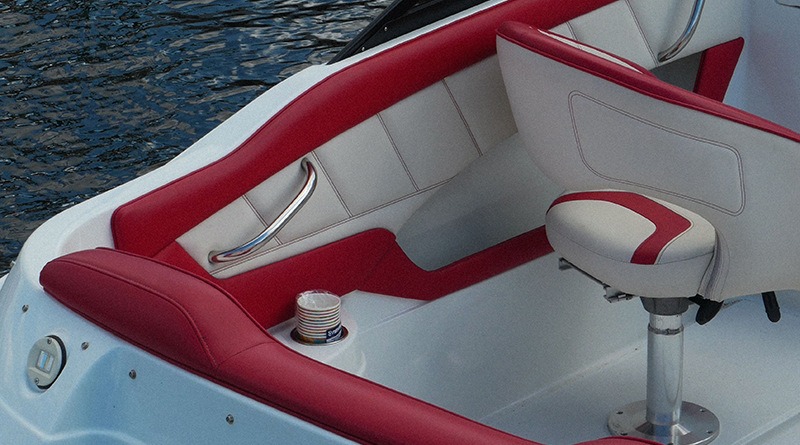
New cushions, mattresses, and marine fabrics can make time aboard more comfortable — all while addressing moisture, wear, and other challenges unique to the boating environment.
By The Log Staff
A boat can have the latest electronics, a freshly painted hull, and a perfectly maintained engine, but after a night spent tossing and turning atop an aging berth cushion, those upgrades may suddenly seem a little less important.
Comfort aboard a boat is easy to overlook because cushions, mattresses, upholstery, and other soft goods rarely determine whether a vessel can leave the dock. They do, however, have a considerable effect on how much owners and guests enjoy being aboard, particularly when a day trip turns into a weekend at Catalina Island or several nights cruising the Southern California coast.
For boat owners looking for a manageable upgrade, replacing or refurbishing soft goods can make an older boat feel noticeably different without requiring a major structural refit. The project can range from recovering cockpit cushions to replacing an entire mattress, but the best results begin with understanding that products used aboard a boat face different conditions than those used at home.
A marine mattress is one example. Boat berths are rarely standard household dimensions, and V-berths, tapered bunks, and curved hull sides can make buying an off-the-shelf mattress difficult. Custom marine mattresses and foam systems can be shaped around those spaces, allowing owners to improve comfort without sacrificing access to storage compartments or equipment underneath.
Before replacing a mattress, it’s worth looking beneath the existing one. Moisture can get trapped between a mattress or cushion and the berth platform, particularly when a cabin remains closed for extended periods. Poor ventilation can contribute to condensation, mildew, and odors, potentially shortening the life of otherwise good bedding.
That makes airflow part of the comfort equation. Ventilation products designed to create space beneath a mattress can help air circulate, while opening the boat regularly and keeping interior spaces dry can reduce moisture buildup. Owners should also inspect the berth surface and surrounding areas for signs of leaks before covering everything with new materials. A new mattress will not solve a leaking portlight or deck fitting.
Once the sleeping surface is addressed, bedding presents another set of challenges. Standard sheets can be awkward on unusually shaped berths, leaving boat owners wrestling with excess fabric or corners that refuse to stay in place. Fitted marine bedding, custom sheets, and mattress pads can be made for irregular sleeping spaces and may simplify making the berth in a cabin where there is rarely enough room to stand comfortably beside it.
Material choice matters as well. Fabrics aboard a boat should be able to tolerate humidity, repeated use, and the realities of people climbing into a berth after a day on the water. Bedding that’s washable and easy to remove can be more practical than elaborate materials requiring specialized cleaning.
The same balance between appearance and durability applies to interior upholstery. Salon cushions and settees eventually show the effects of sun exposure, spills and regular use, but worn upholstery doesn’t necessarily mean the entire cushion needs to be replaced. A marine upholstery shop can determine whether the existing foam remains serviceable or whether both the covering and interior material should be replaced.
Foam density and firmness can make a significant difference, particularly on boats where a settee serves double duty as seating during the day and a berth at night. The softest cushion isn’t automatically the most comfortable over several hours, and owners should discuss how a space is actually used before selecting replacement materials.
Moving outside the cabin introduces additional considerations. Cockpit cushions, helm seats, and other exterior soft goods are exposed to sunlight, saltwater, moisture, and temperature changes. Materials intended for interior furniture may deteriorate quickly in those conditions, making marine-grade fabrics, thread and foam important for exterior applications.
UV resistance is particularly relevant in Southern California, where boats can spend much of the year exposed to strong sunlight. Faded fabric may be the first visible sign of deterioration, but seams, thread and foam can also break down over time. Regular cleaning and the use of appropriate covers can help protect an upholstery investment when the boat isn’t being used.
Canvas can play a role in that protection as well. Bimini tops, cockpit covers, window covers, and full enclosures can shield seating and interior surfaces from sun and weather. A canvas shop may also be able to modify an existing cover rather than replacing the entire system, depending on its condition.
As with many boat projects, owners can save themselves frustration by planning several related upgrades together. If cockpit cushions are being recovered, it may make sense to have protective covers evaluated at the same time. If a mattress is being replaced, that’s a good opportunity to inspect the berth, improve ventilation and address bedding dimensions. Coordinating projects can also help ensure fabrics and materials work together throughout the boat.
Owners should also think about how the vessel is actually used rather than trying to recreate a bedroom or living room ashore. Storage is limited aboard most boats, and decorative pillows, heavy blankets and extra cushions all need somewhere to go when they’re not being used. Soft goods that are washable, durable and easy to store may prove more valuable over time than something selected primarily for appearance.
That does not mean aesthetics are unimportant. Changing fabric, replacing tired cushions or updating bedding can transform a cabin that has looked essentially the same for decades. On an older boat with sound systems and structure, upholstery can be one of the more visible ways to refresh the interior without undertaking a full renovation.
The improvement can become even more noticeable when the boat is used for overnight trips. Southern California boaters have destinations such as Catalina Island and harbors up and down the coast within cruising range, but spending several nights aboard changes what owners notice about their vessels. A berth that seemed acceptable during an afternoon nap can feel considerably different after three consecutive nights.
For that reason, comfort should be considered part of how a boat functions, not simply how it looks. Better cushions will not make a boat faster, and a custom mattress will not improve fuel economy, but both can influence whether owners look forward to spending another night aboard.
Sometimes the upgrade that gets a boat used more often is not another screen at the helm or another piece of equipment on deck. It’s simply making the cabin comfortable enough that, when everyone else heads home for the night, staying aboard sounds like the better option.