

Billy Joel’s 1989 song tells the story of a struggling Long Island fisherman, but its themes of changing fisheries, working waterfronts, and generations tied to the sea have parallels thousands of miles away in Southern California.
By Katherine Clements
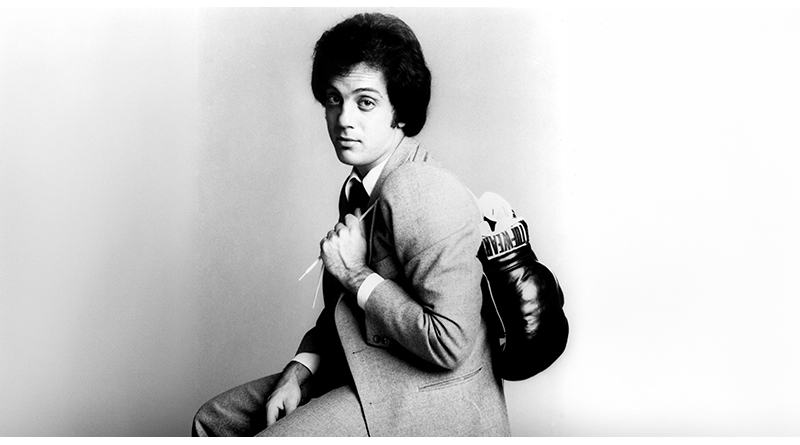
Billy Joel may be best known for songs such as “Piano Man,” “Uptown Girl” and “We Didn’t Start the Fire,” but one of his most maritime songs tells a much different story.
“The Downeaster ‘Alexa,’” released on Joel’s 1989 album “Storm Front,” follows a Long Island fisherman trying to hold onto a livelihood that’s becoming increasingly difficult to sustain. Joel has said the song was inspired by friends on the east end of Long Island who fished for a living and the struggles they faced as that way of life diminished.
For Southern California boaters and anglers, the geography may be different, but the maritime themes are surprisingly familiar.
The Alexa is a boat, but its name has a personal connection. Billy Joel named the fishing vessel after his daughter, Alexa Ray Joel. In the song, the boat carries the narrator through waters around Long Island and New England, including Block Island Sound, Gardiners Bay, Montauk, Martha’s Vineyard and Nantucket.
It’s a song about making a living on the water. The fisherman isn’t taking the boat out recreationally. His family depends on what he can catch and sell. As the song progresses, he describes traveling farther offshore, struggling to find fish and confronting restrictions on fisheries, those in which he once depended. Joel has described the song as an homage to fishermen facing a vanishing livelihood.
The story is generational. At the heart of the song is a fisherman who had followed his father into life as a bayman, but he questions whether that livelihood can continue. That makes the song about more than one difficult fishing trip. It’s about what happens when a maritime occupation passed from one generation to another begins to disappear.
Joel’s connection to the issue went beyond songwriting. In 1992, “The Piano Man” joined Long Island baymen during a protest surrounding restrictions on striped bass fishing. The dispute reflected tensions over conservation, commercial fishing access and allocation of the fishery, issues that had directly affected the community depicted in his song.
Southern California has its own generations of fishing families. San Pedro and Terminal Island became centers of the West Coast tuna industry in the early 1900s. Japanese, Croatian, and Italian immigrant communities were among those that built lives around catching, processing and selling tuna, creating a fishing culture that helped shape the Los Angeles waterfront. National Oceanic and Atmospheric Administration (NOAA) Fisheries has preserved oral histories from members of those communities as part of its “Voices from the Fisheries” project.
Working fishing ports are still part of Southern California. NOAA identifies San Pedro/Terminal Island and Ventura among the primary Southern California ports for commercial coastal pelagic fisheries, while the Los Angeles and Santa Barbara-Ventura areas remain important markets for commercial squid landings.
That’s where a song written about fishermen on the opposite side of the country finds some common water with The Log.
Southern California’s fishing grounds, species and boats may look different from those described by Joel, but questions surrounding changing fisheries, regulations, access, economics and the future of working waterfronts are familiar throughout maritime communities.
More than three decades after “Storm Front” was released, “The Downeaster ‘Alexa’” remains less a song about one particular boat than a story about the people who build their lives around the water and what happens when staying there becomes harder.
For a boating and fishing community, that makes it a sea story worth another listen.