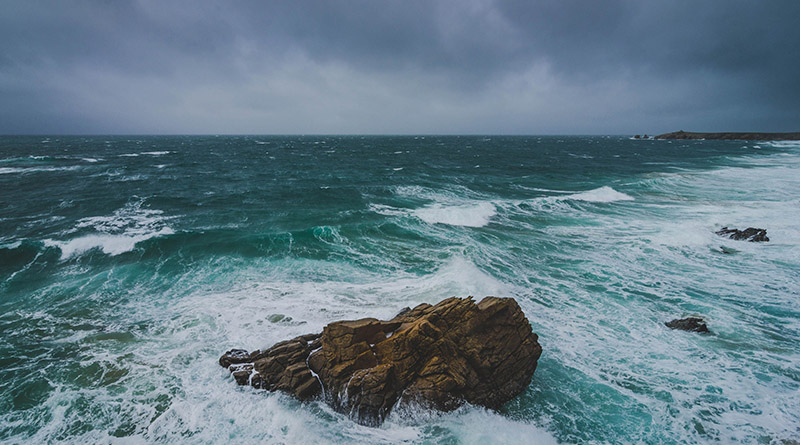
West Coast anglers and boaters may be watching more than just the usual summer fishing reports this season, as unusually warm ocean conditions continue to influence marine life from California to the Pacific Northwest.
According to National Oceanic and Atmospheric Administration (NOAA) Fisheries, a large marine heatwave has warmed portions of the West Coast over the past year, while El Niño conditions have also developed in the tropical Pacific. Together, those warming patterns could affect fisheries, marine mammals, seabirds and coastal economies in the months ahead.
For Southern California anglers, one of the most noticeable effects may be shifting fish patterns.
During past warming events, species such as market squid moved farther north, creating new fishing opportunities in Oregon and Washington while reducing landings in California. Warm-water visitors also appeared in unusual places, including whale sharks and hammerhead sharks off Southern California, albacore tuna closer to shore in Washington and even skipjack tuna off Alaska.
This year, Southern California anglers are already seeing signs of warm-water influence, with dorado and yellowfin tuna appearing earlier than usual. For recreational fishermen, these shifts can create excitement, but they also raise questions about how long the patterns will last and what they may mean for more traditional local fisheries.
Marine mammals may also feel the impact. During previous warm-water years, California sea lion mothers had to travel farther to find high-quality forage such as sardines and anchovies. As a result, pups on the Channel Islands fasted longer, and thousands of underweight pups later appeared on California beaches.
Warm water can also increase the risk of harmful algal blooms. NOAA noted that previous marine heatwaves helped fuel toxic algae outbreaks that affected crab and shellfish fisheries along the West Coast. These blooms can produce domoic acid, a toxin that poses risks to humans, wildlife and seafood harvests.
Salmon remain one of the species of greatest concern. Warm river conditions during past heat events contributed to severe egg losses for endangered winter-run Chinook salmon in the Sacramento River, while young salmon entering the ocean faced reduced access to high-quality prey. Those conditions later contributed to weak adult returns and fishing closures along portions of the California and Oregon coasts.
Whale entanglement risk may also increase when warm offshore waters compress cooler, nutrient-rich habitat closer to the coast. Those same productive areas attract anchovies, humpback whales and commercial crab gear, raising the potential for overlap between whales and fishing lines.
Not every species responds negatively. Rockfish saw strong juvenile numbers during the Blob and El Niño years, though NOAA noted that future outcomes may depend on the strength of coastal upwelling.
For boaters, anglers and coastal communities, the message is clear: warming ocean conditions can bring both opportunity and disruption. While some fisheries may benefit from new species moving into range, others may face closures, reduced survival or changing access.
As summer continues, scientists will be watching how El Niño and the marine heatwave interact with the California Current. Anglers may want to do the same, because the fish counts, sightings and conditions at the dock could tell an important story about what is happening offshore.