For thousands of years, Catalina Island has been more than just a scenic escape off the Southern California coast — it’s been a place where stories, culture, and creativity thrive. From its earliest Indigenous inhabitants to today’s visitors and residents, Catalina’s identity has always been deeply tied to its natural beauty and artistic spirit.
While many travelers come for the island’s hiking, boating, and waterfront relaxation, Catalina’s art scene invites visitors to slow down and connect more deeply with the island itself. Galleries and museums here don’t just display works of art — they tell stories about Catalina’s past, present, and future, blending culture, nature, and community in meaningful ways.
Afishinados Gallery: Where Art Meets the Sea
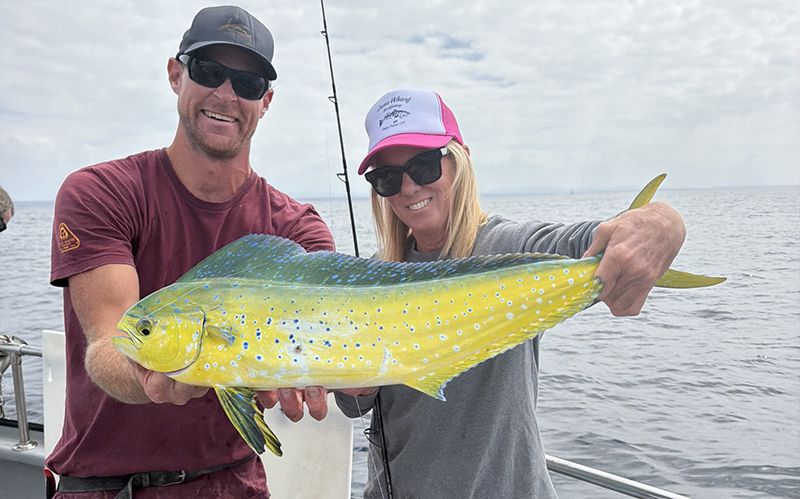
For more than two decades, Karen King and her husband, Captain John, have been weaving together two passions — fishing and fine art — into the fabric of life on Catalina Island through their businesses: Afishinados Charters and Afishinados Gallery. Together, they’ve built not just successful businesses, but a philosophy that blends conservation, education, and creativity, enriching the island community and visitors alike.
Karen recalls the origins of their Catalina story fondly. “John was raised in Torrance and fished around Catalina his whole life, but we actually met on the mainland as undergrads at Long Beach State. When we turned 20, I brought him to Catalina, where I had grown up visiting,” she says. “John fell in love with the island.”
As newlyweds, they raised their family in Silverlake while keeping a boat in San Pedro. “We bought a boat when the kids were young and taught them not just how to fish, but how to respect the ocean — pulling balloons out of the sea, always reinforcing that you only take what you plan to eat,” Karen explains.
Their love for Catalina deepened, and they eventually decided to build a home in Avalon. That decision sparked the birth of Afishinados. “John decided to get his captain’s license, and we started small — John would book all the charters over the phone and run everything himself.” The operation was always focused on conservation, education, and respect for the ocean. “You don’t kill all the fish — you only take what you need,” said Karen.
Their fleet grew, at one point expanding to five boats, and John’s passion for teaching anglers the right way to fish became central to their business. “He loved showing people how to catch and keep fish properly,” Karen says. “We started the Capture the Flag fishing tournament. It was so popular — we focused on legal local species like calico bass, yellowtail, halibut, white seabass — but we ended it because too many fish were being killed just to win.”
Throughout their charter business, education remained at the forefront. Karen recalls how they taught locals and tourists alike about protecting species like the giant black sea bass. “Guys would catch them accidentally and then poke holes in their bladders to help them descend — but that would just make them sick, and they’d die,” she says. “John ended up rigging his own descending device with a tiny trout hook, very light line, and a big weight to safely bring the fish back down to the depths where it thrives.”
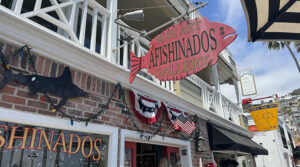
While John was building the charter business, Karen found a new way to express her creativity. “I have a fine art degree, so I started selling my artwork at the charter office,” she says. Her designs began with a line of t-shirts featuring illustrations of local fish — designs that remain some of the gallery’s most popular items to this day. Karen can recall being in random places across the globe and spotting someone in one of her designs, claiming to have sold thousands of her shirts. Her creative output expanded into drawings, fabric art, and eventually an entire gallery space.
“I couldn’t keep up with making all the art myself,” Karen admits. “So I reached out to my art friends in L.A. and started purchasing their work to sell in the gallery. From there, it just exploded.”
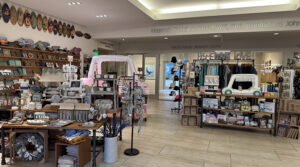
Today, Afishinados Gallery represents 40 to 45 artists at any given time, showcasing a dazzling variety of media — paintings, prints, textiles, steel, wood, glass, and more. “Some of the art is fine art, some of it is crazy art,” Karen laughs, “but all of it is different and unique.” Hundreds of artists have been featured over the years, and Karen takes pride in curating a collection that complements the island’s spirit.
“I’m very careful about what I carry in the gallery,” she says. “I’ve worked hard to not step on the toes of other artists [on the island]. I respect them just as much as the artists I work with [in L.A].”
Her role extends beyond curator, as Karen actively mentors emerging artists — helping them develop their skills, navigate the stages of their careers, and prepare their work for gallery representation. She takes pride in guiding young artists toward growth and success, fostering the next generation of creatives.
That mentorship, along with her dedication to the gallery and her husband’s fishing business, has made the Kings an integral part of Catalina’s cultural and maritime community. “The magic of Catalina — it never gets old for me,” Karen reflects. “We all share a love for the island. My customers are great and very social. Every day is an art show for me. I get to see beautiful artwork, and when I look out the window, I see the ocean.”
As she prepares for the 20th anniversary of Afishinados Gallery on August 9, Karen reflects on how far they’ve come — from a family with a boat and a passion for fishing and ocean education to a thriving business where art and conservation intersect.
Their journey — from a couple raising kids in Silverlake to becoming beloved stewards of Catalina’s waters and creative culture — is one of passion, perseverance, and community. “I’ve been doing this for twenty years, and it’s a really great thing,” says Karen and there’s no better way to describe her life’s work than this:
“Every day is an art show for me.”
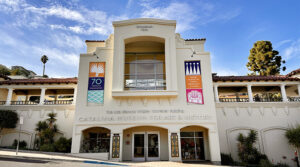
Catalina Museum for Art & History: Anchoring the Island’s Story
While Afishinados Gallery celebrates Catalina’s artistic present, the Catalina Museum for Art & History serves as the island’s anchor to its past and a gateway to its evolving cultural landscape. Housed in the striking Ada Blanche Wrigley Schreiner Building, the museum is more than a repository of artifacts — it’s a cultural hub where history, environment, and art converge.
“The museum serves as both a steward of Catalina’s rich past and a platform for fresh cultural experiences,” explains Sheila Bergman, Executive Director of the museum. “Our permanent collection is anchored in the island’s unique history, from its Indigenous roots and Hollywood connections to its maritime and military narratives. The rotating exhibitions present new perspectives, voices, and contemporary art. This balance keeps the museum relevant and dynamic, offering something meaningful for both first-time visitors and long-time residents.”
The museum’s programming is curated with both historical anniversaries and community interests in mind, ensuring every exhibition is deeply connected to the island. From stories of the Tongva people to Catalina’s rise as a glamorous resort destination under William Wrigley Jr., the museum layers the island’s many narratives for visitors eager to learn and experience more.
“Catalina is more than a beautiful backdrop — it’s a living story,” Bergman says. “Visiting the museum gives guests a deeper connection to the island they’re exploring. Whether you’re interested in vintage travel posters, early Hollywood history, or contemporary art, there’s something unexpected and enriching inside our galleries.”
That connection between nature and art is central to many of the museum’s exhibitions. Recent highlights include “Below the Surface: The Catalina Photographs of Bruce Hall,” an exhibit showcasing decades of underwater photography by the legally blind artist, and the upcoming “The Blue Forest” by photographer and marine scientist Oriana Poindexter, opening in November. “Her experiential exhibition invites dialogue about the evolving relationship between humans and the sea,” Bergman explains.
The museum also fosters creativity among island residents through workshops and collaborations with local artists like Fabi Sillas, Avalon High School art teacher. Visitors can engage directly with Catalina themes while exploring their own artistic talents.
Currently on view is “From Los Angeles to Catalina: The Art of Sonia Romero,” a visually striking exhibition of silkscreen prints, paintings, and a new site-specific work that captures Catalina’s layered cultural history.
A Rich Tapestry of Art and History
Together, Afishinados Gallery and the Catalina Museum for Art & History illustrate the island’s rich artistic and cultural landscape — one shaped by nature, community, history, and creativity. Whether browsing Karen King’s thoughtfully curated collection of ocean-inspired art or wandering through the museum’s dynamic exhibitions, visitors discover that Catalina’s beauty isn’t just something to admire — it’s something to experience and connect with.
For more information about Afishinados Gallery, visit afishinadosgallery.com. To learn more about the Catalina Museum for Art & History, visit catalinamuseum.org.