One thing sure to slow down an otherwise fast boat is excessive growth on the bottom and keel. If left too long without a thick coat of protective paint, your boat’s submerged hull would become an exotic biome of seaweed, barnacles, small crab, and gooey, green ooze.
However, as long as your vessel has a fairly recent coat of hull paint below the waterline, along with monthly cleaning by an experienced bottom diver, you can rest assured the boat’s underside will be ready for use whenever you desire to set sail.
If you’re planning to paint the bottom yourself, be sure to protect your eyes, skin, and lungs from whatever biocides or other chemicals may be present in the paint. Wear protective goggles, rubber gloves, and an adequate respirator with replaceable filters — especially when applying paint containing a biocide such as copper or irgarol, the latter being even more toxic than copper oxide.
Study the various types and brands of coverings available from which to choose, then make your decision before you commit to a particular brand and type of bottom paint, balancing the need for protection from toxicity along with durability and price.
If your boat resides permanently in one of the many marinas lining the Southern California coast, your best bet will be either an ablative antifouling paint or a metal-free paint using an alternative biocide, such as tralopyril, commonly sold under the brand name, “Econea.” This substance is known to have ten times the strength of cuprous oxide but is biodegradable and thus inflicts little or no damage to surrounding aquatic organisms.
Econea is gradually gaining popularity, especially right here in California, where ablative, metal-based paints are coming under ever-greater scrutiny by environmental groups and state and local governments. Cuprous oxide and aluminum oxide have long been favorites among mariners around the world, including yours truly, but many of us local sailors are looking for ways to protect our boats without having to worry about the long-term environmental effects of our choice of bottom coverings.
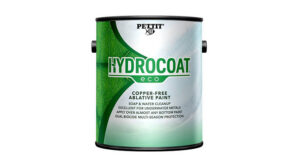
Instead of allowing metal oxides to leach into our marinas and local anchorages, we can choose from one of at least two manufacturers of paints with Econea: Pettit Hydrocoat and Interlux Pacifica Plus. Pettit Hydrocoat is an ablative paint that sloughs away with movement through the water in the same manner as metal-based ablative paints. But unlike metal paints, brushes and pans used with Pettit Hydrocoat may be washed with water, making the whole cleaning process faster and much easier on our lungs.
Interlux Pacific Plus combines both Econea and another additive, which Interlux describes as “Biolux slime-blocking technology.” Biolux not only protects your boat’s undersides from barnacles and seaweed, but also from that green slime that collects on structures in warm, stagnant, nutrient-rich water, such as your local marina.
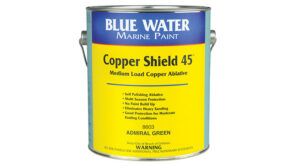
If you want to stick with a traditional copper bottom paint, you can still brush or roll on the bottom covering of your choice. Copper Shield 45 is rather unique in combining both cuprous oxide and the anti-slime additive magnesium silicate for a two-pronged attack on bottom growth. With its 45 percent copper content and the manufacturer’s claim of “multi-season protection” and low paint build-up, this paint is reasonably priced at roughly $60 per gallon.
Sea Hawk, another popular paint brand among ocean sailors, offers Cukote with 47.57 percent cuprous oxide and Tropikote with 79.8 percent copper biocide, each available for well under $100 per gallon. Sea Hawk Colorkote uses a “triple biocide” antifouling formula and may be applied to fiberglass, iron, steel or aluminum with brush, roller or sprayer.
If you have a boat stored on a trailer for the majority of the time, you might not need any bottom paint at all, leaving the gelcoat untouched, allowing the lowest possible friction in the water. However, if you intend to leave the boat in freshwater or coastal water for several weeks or perhaps a whole summer, you’re wise to select a hard bottom coating designed for both higher speeds and some measure of bottom protection as well.
For coastal or inshore weekend jaunts, you can select from one of the same metal-based bottom paints as the ocean cruisers use, but with a lower cuprous oxide content. This will save you money. And, since the paint is thinner than high-copper paints, you’ll have a much easier time applying the paint and cleaning your brush and roller after your work is done.
Rustoleum, a name with which we all grew up, offers its Boat Bottom Antifouling Paint with a moderate 45.7 percent cuprous oxide, just enough to protect from underside growth but moderately priced to allow more spending on fishing tackle — and, of course, beer.
Interlux Micron CSC “copper copolymer” has a minimal yet still effective 37.2 percent cuprous oxide content and is known for its large coverage area, saving you a considerable amount of money for your boat’s next bottom job.
While long-term exposure to life forms in coastal waters requires a durable, metal oxide paint, weekend jaunts into local lakes may require you to avoid poisonous, ablative coverings like cuprous oxide. Since you’re probably either waterskiing or fishing for trout and blue gill in a relatively small body of water, you need a chemically neutral bottom surface, preferably with a hard, slick finish allowing you to zip across lakes and rivers with little bottom friction and zero chemical poisoning of water-born flora and fauna.
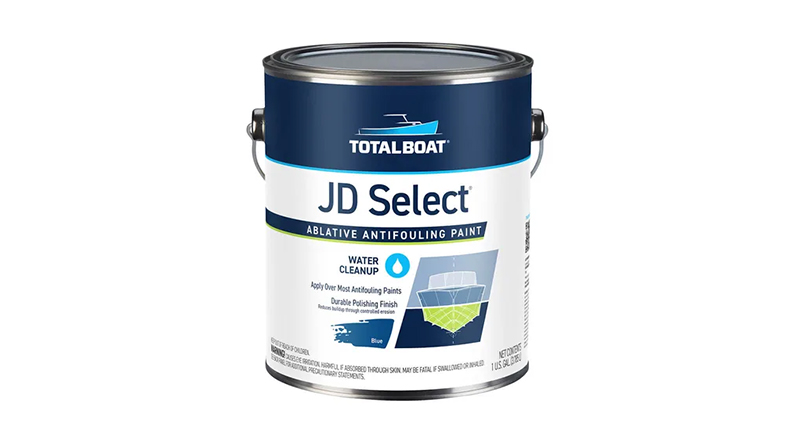
A prime example of a hard bottom paint for trailer boats is JD Select Ablative Antifouling Paint from Total Boat. With a relatively small amount of cuprous oxide (25.25 percent), the manufacturer claims it’s safe for freshwater as well as saltwater. Although some may argue with that claim, the rather minimal copper content basically speaks for itself.
If you do elect to paint your boat bottom with a low-copper paint — and intend to use the vessel in our local lakes and rivers — make sure to check with local authorities before sliding the craft off its trailer and into the water.
The bottom paint you select for your vessel requires a bit of reflection and planning. By taking into account the amount of time the boat stays in the water and the type of aquatic environment you’re entering, you should have a solid idea of what type of paint to roll onto the undersides of your floating palace.