REDONDO BEACH — In harbors up and down the Southern California coast, a quiet conservation effort is taking place just beneath the docks. Inside floating net pens tied to marina pilings, hundreds — sometimes thousands — of juvenile white sea bass are being raised by volunteers, students and harbor users before being released into the ocean.
From Dana Point to Marina del Rey and now Redondo Beach, more waterfront communities are becoming active participants in juvenile white sea bass release programs, reflecting a growing regional commitment to marine conservation and long-term fishery sustainability.
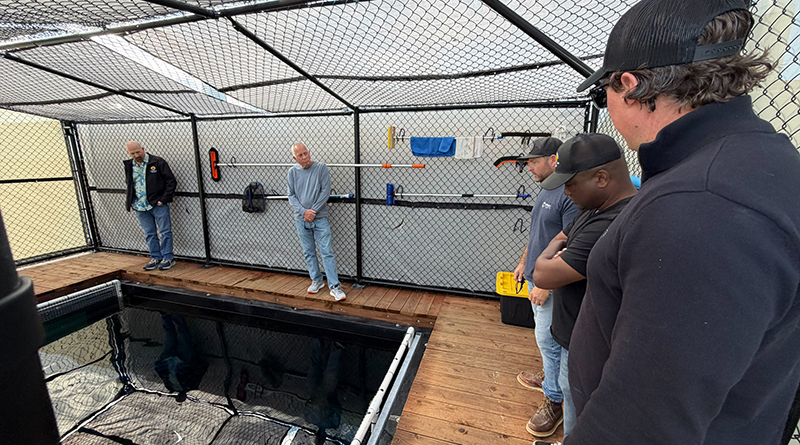
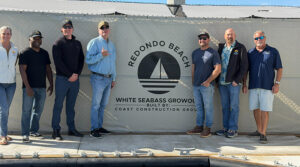
Dana Point Harbor regularly gathers local schools, youth groups and community volunteers to participate in white sea bass releases as part of hands-on marine education. But more recently in Marina del Rey, volunteers tend to harbor pens, feeding and monitoring juvenile fish before their release. Redondo Beach has also completed construction of its own white sea bass grow-out pen at the Harbor Patrol Dock, expanding this network of community-supported rearing sites along the coast.
These local efforts are part of a much larger, decades-long program led by the Hubbs-SeaWorld Research Institute in partnership with the California Department of Fish and Wildlife (CDFW). Known as the Ocean Resources Enhancement and Hatchery Program (OREHP), the initiative was created to help rebuild white sea bass populations after a significant decline in the mid-20th century.
White sea bass aren’t currently listed as endangered or threatened. However, by the 1980s and 1990s, their numbers had fallen sharply due to overfishing, habitat pressures and environmental changes. Fisheries managers grew concerned enough that strict regulations, size limits, seasonal closures and hatchery enhancement programs were introduced to help stabilize the population.
The goal of the juvenile grow-out pen program is not simply to add more fish to the ocean. Instead, it’s designed to strengthen the breeding population over time by improving the survival odds of young fish.
The process begins in Carlsbad, where juvenile white sea bass are raised at a hatchery facility until they reach about four inches in length. From there, they are transported to one of 13 grow-out facilities throughout Southern California, including the new Redondo Beach site. Inside the harbor pens, volunteers care for the fish until they reach approximately 8 to 10 inches long — a size that significantly increases their chances of surviving once released into open water.
For Redondo Beach Mayor Jim Light, the return of the program to the harbor is deeply tied to the city’s past involvement through the former SEA Lab marine education center. The idea to reestablish the grow-out pen began years ago at the Harbor Commission level, when Commissioner Bryan Dalton advocated for bringing it back after SEA Lab closed. Dalton had volunteered with the program and emphasized its impact on white sea bass recovery, and the Harbor Commission repeatedly recommended its revival to City Council.
“When I was on Harbor Commission, Commissioner Bryan Dalton advocated to reestablish the program after SEA Lab shut down,” Light said. “He had been a volunteer on the program and spoke highly of its impact on white sea bass population. The Harbor Commission repeatedly recommended reestablishment to the City Council.”
After becoming mayor, Light worked with the Council to secure funding and coordinated with Harbor Director Greg Gummere and the Fire Chief to identify the Harbor Patrol Dock as a suitable location. Once approved, Oceans Global, a nonprofit led by Clark McNulty, built and installed the pen and now oversees its operation.
The new pen operates in much the same way as the former SEA Lab facility. Hubbs-SeaWorld Research Institute supplies the juvenile fish, and local volunteers care for them daily until they are ready for release.
Community involvement is a defining element of the program. Volunteers, under McNulty’s leadership, feed the fish, remove any that do not survive and clean the pen on a daily basis. The commitment is small — often about an hour a week — but the impact is tangible.
“I think volunteers feel personally rewarded knowing they’re working to increase the population of a fish that was once threatened by declining population,” Light said.
The harbor-based grow-out pens offer advantages over other release methods. Rather than raising fish in classrooms or releasing them directly offshore, the pens allow the fish to grow in the same water where they will ultimately be released, acclimating them to local conditions without the need for complex pumping or artificial saltwater systems.
By the time the fish are released, they’re significantly larger and more resilient than when they arrived from the hatchery — a key factor in improving survival rates once they enter open ocean conditions.
The Redondo Beach pen, installed by Coastal Construction Group under McNulty’s direction, received its first batch of nearly 1,500 juvenile sea bass on Nov. 20, 2025. The site marks a renewed effort for the city, which had previously participated in more than a dozen white sea bass grow-out efforts over the past two decades through SEA Lab.
Standing at the ribbon cutting, Light reflected on the broader meaning of the project for the harbor and the city. “It was rewarding to see a project I supported as a harbor commissioner come to fruition,” he said. “I’m glad our City is supporting environmental efforts that positively impact the ocean ecosystems that make our town so special.”
Light also sees the program as part of a larger wave of harbor revitalization. “On a bigger picture, this is another piece of the revitalization momentum that’s building the harbor,” he said. “I’m so stoked to see the progress across the harbor and pier after so many years of stagnation and neglect.”
Fully grown white sea bass can reach more than four feet in length and are considered one of Southern California’s most iconic game fish for both recreational and commercial fishermen. Helping stabilize their population supports not only the ecosystem but also the region’s fishing heritage.
Equally important is the educational and community aspect of the program. Students and harbor visitors often get to witness releases firsthand, creating a tangible connection between local communities and fisheries management.
Participants are not simply learning about conservation — they’re actively taking part in it.
That community engagement is visible in Dana Point, where youth groups regularly participate in releases, and in Marina del Rey, where volunteers quietly maintain pens behind the scenes. With Redondo Beach now joining the effort, the network of harbors supporting the program continues to grow.
Over decades, these small, consistent efforts have contributed to measurable recovery in white sea bass numbers. By raising fish to a more resilient size before release, the program helps ensure more of them survive to maturity and contribute to the breeding population in the wild.
For many harbor users, the pens are easy to overlook. They sit quietly along docks, blending into the working backdrop of marina life. Yet inside them is a living example of how Southern California’s boating and waterfront communities are directly contributing to the health of local fisheries.
Volunteers interested in helping at the Redondo Beach facility can sign up through Oceans Global at oceansglobal.org/form, where a weekly schedule will be provided once positions are filled.
As more harbors participate in these juvenile white sea bass programs, Southern California’s waterfront communities are playing an increasingly visible role in the long-term sustainability of one of the region’s most recognizable and valued fish species — one small pen, and one release, at a time.