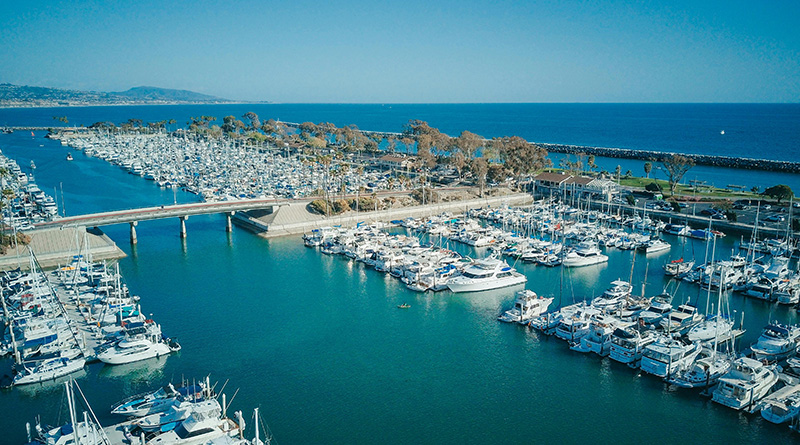
Boating offers a unique opportunity to experience Southern California’s coastline and harbors firsthand, from the sheltered coves of Catalina Island to the active marinas of Newport Harbor, Marina del Rey, and San Diego Bay. Whether cruising, fishing, or simply spending a day on the water, the boating lifestyle is deeply tied to the health and beauty of the marine environment. Yet the same waters that draw people in are also fragile ecosystems that require ongoing protection. As recreational boating continues to grow, so too does the responsibility to adopt practices that preserve water quality, protect marine life, and ensure these environments remain enjoyable for generations to come.
Across the region, a growing network of environmental organizations, marina operators, pump-out service providers, and marine businesses are working together to promote clean boating practices. While regulations provide a framework, the success of these efforts ultimately depends on individual boaters making conscious decisions every time they leave the dock. Many of the most impactful steps are simple, yet when practiced consistently, they collectively play a critical role in maintaining the health of local waterways.
Among the most important and often underappreciated aspects of clean boating is proper sewage management. Federal law prohibits the discharge of untreated sewage within three nautical miles of the U.S. coastline, a regulation designed to prevent harmful pollutants from entering coastal waters. To support compliance, marinas throughout California have installed pump-out stations that allow boaters to safely transfer waste from onboard holding tanks into municipal treatment systems.
While the legal requirement is clear, the environmental importance of pump-out use extends far beyond compliance. Waste discharged directly into harbors introduces bacteria, excess nutrients, and pathogens that can degrade water quality, trigger harmful algal blooms, and pose health risks to swimmers and marine life alike. In enclosed harbors, where tidal flushing may be limited, these impacts can be amplified.
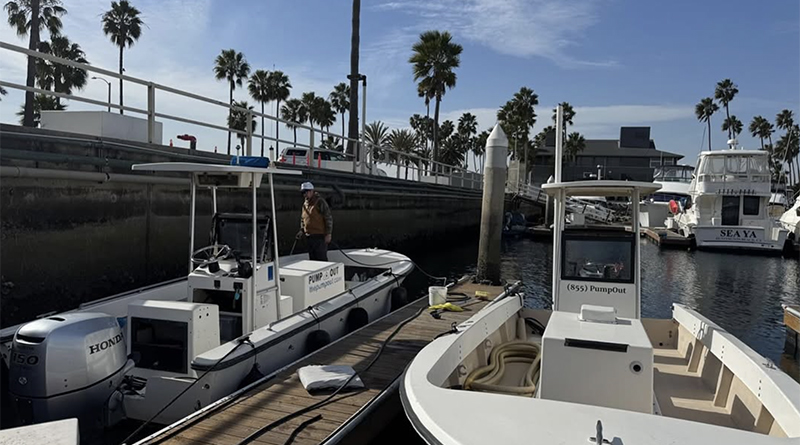
From the perspective of those working on the front lines of waste management, the consequences are both immediate and visible. Kaley Gutierrez and her husband Eli from The Pumpout emphasized the importance of proper waste handling, explaining, “Pump out service is essential for maintaining water quality and keeping waste out of our harbors and ocean. When waste isn’t properly handled, it directly impacts water quality, marine life, and the overall health of the environment. Nobody wants to swim in waste!”
That reality underscores why routine pump outs are considered one of the most effective actions boaters can take to protect local waters. However, responsible waste management does not end with simply using a pump-out station. How waste is handled onboard between services also plays a critical role in both environmental protection and system performance.
According to Gutierrez, one of the most common mistakes boaters make is delaying service for too long. “Some of the biggest mistakes we see are leaving waste sitting in tanks for too long, which leads to odor, long-term holding tank issues, and potential system failure,” she said. “Regular pump outs and keeping water moving through the system helps prevent buildup and keeps everything functioning properly.”
This highlights an important but often overlooked connection between maintenance and environmental responsibility. When systems are not properly maintained, they are more likely to fail, increasing the risk of leaks, spills, or improper discharge. Regular pump outs not only protect the environment but also extend the life of onboard equipment and improve overall boating comfort.
Equally concerning are attempts to manage waste using inappropriate chemicals. While some boaters turn to household cleaning products in an effort to control odors, these solutions can create unintended consequences. Gutierrez noted, “Another big one is using harsh chemicals like bleach to treat odors or clean the tank. This is actually one of the worst things you can do for your system and can damage your tank and hoses over time. And when that chemically treated waste ends up being dumped overboard, it’s extremely harmful to marine life and disrupts the natural balance of the water.”
This reinforces a broader principle of clean boating: everything introduced into a vessel’s systems has the potential to impact the surrounding environment. Choosing environmentally friendly treatments and cleaners is not just a best practice — it’s a necessary step in minimizing harm.
Even when boaters make the effort to use pump-out facilities, challenges can still arise. For those unfamiliar with the process, pump-out docks can feel intimidating, leading to avoidable mistakes. As Gutierrez explained, “We also see a lot of improper use at pump-out docks. They can be intimidating for new boaters, which sometimes leads to spills or avoidable mistakes.” Education, clear signage, and user-friendly systems all play a role in improving confidence and reducing the likelihood of accidental discharge.
Fortunately, there are simple habits that can significantly reduce risk and improve outcomes. Gutierrez emphasized that consistency is key, noting, “Keeping waste out of the water with regular pump outs is one of the easiest and most effective things you can do. Also, avoid overfilling your tank. Spills are one of the easiest ways waste ends up in the water, and they’re completely preventable with regular service.”
While sewage management is central to clean boating, it is only one part of a broader set of practices that influence water quality. Everyday maintenance activities, such as washing a boat or cleaning decks, can also introduce pollutants into the marine environment. Traditional cleaning products often contain detergents, solvents, and phosphates that can wash directly into the water during rinsing, affecting aquatic organisms and disrupting natural ecosystems.
As awareness of these impacts has grown, many boaters are shifting toward biodegradable, marine-safe cleaning products. These alternatives are designed to break down more safely while still providing effective results. Gutierrez reinforced the importance of these choices, stating, “Using eco-friendly cleaners also makes a big difference in protecting water quality — not just what’s going into your tank, but the soaps and products you’re using on the outside of your boat as well.”
In addition to cleaning practices, fuel management is another area where small changes can have a meaningful impact. Fuel spills are among the most common sources of marina pollution, often occurring during routine refueling. Even minor overflows can spread quickly across the water’s surface, creating a sheen that harms marine life.
Preventative measures such as using absorbent pads, filling tanks slowly, and maintaining fuel systems can significantly reduce the likelihood of spills. Similarly, managing bilge water is critical. Bilges often collect oil, fuel residue, and other contaminants, and discharging untreated bilge water can introduce these pollutants into the environment. Installing oil-absorbing pads helps capture contaminants before they reach the water.
Clean boating also extends to protecting marine habitats. Anchoring in sensitive areas such as eelgrass beds or kelp forests can cause lasting damage to ecosystems that support fish, invertebrates, and other marine species. By choosing appropriate anchoring locations and utilizing mooring fields when available, boaters can help preserve these vital habitats.

Waste reduction is another important component of responsible boating. Minimizing single-use plastics, properly storing trash, and disposing of waste at the dock all help prevent debris from entering the water. Items such as fishing line, plastic bags, and food packaging can pose serious threats to marine life if left behind.
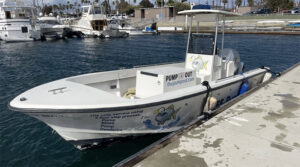
Within this broader framework, service providers play a critical role in making clean boating more accessible. Companies like The Pumpout are helping bridge the gap between intention and action by simplifying the process for boaters. Gutierrez described their mission, saying, “We’re a husband and wife team who grew up around the ocean here in Southern California. We come from families of surfers, fishermen, and divers, and now our own kids are playing in the same water, so we’ve seen firsthand how much clean water matters.”
That personal connection to the ocean shapes their approach. “We also see dolphins, sea turtles, birds, fish, and sea lions out there every day, which makes it even more important to us to keep it clean,” she added.
To support that goal, The Pumpout focuses on convenience and consistency. “At The Pumpout, our goal is to make pump outs as convenient as possible so it’s easy for boaters to keep waste out of the water. A lot of our customers are on scheduled service, so their tanks are always taken care of before they even think about it. The easier we make it, the more people actually do it — and that’s what really keeps our water clean,” Gutierrez said.
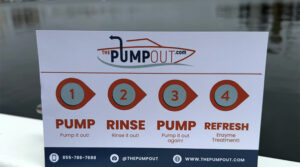
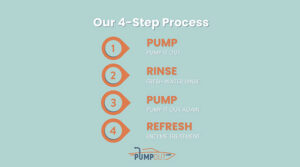
In addition to removing waste, their services also contribute to system maintenance. “We also include a freshwater rinse and eco-friendly enzyme treatment with every service, so it’s not just about removing waste — it helps with odor, tank health, and overall maintenance too,” she explained.
Ultimately, clean boating is not defined by any single action but by a series of choices made over time. Each decision — whether to pump out regularly, use eco-friendly products, prevent spills, or properly dispose of waste — contributes to a larger effort to protect the marine environment.
For Southern California boaters, the importance of these practices is especially clear. The region’s waters support vibrant ecosystems, recreational opportunities, and coastal economies that depend on clean, healthy environments. By embracing responsible boating habits, individuals play a direct role in preserving the places they enjoy most.
As awareness continues to grow, the collective efforts of boaters, service providers, and environmental organizations are helping shape a culture of stewardship on the water. When clean boating becomes second nature, it ensures that the coastline remains not only a destination, but a sustainable and thriving environment for years to come.