Ethical Fishing (noun): The practice of catching fish in a responsible and sustainable manner that prioritizes the health of marine ecosystems, respects fish populations and habitats, and ensures the long-term viability of the resource for future generations. It involves following regulations, minimizing environmental impact, using appropriate gear, and handling fish — whether kept or released — in a way that reduces harm and waste.
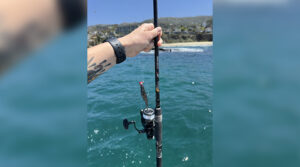
Are you an ethical angler?
It’s a simple question, but one that carries real weight on the water. In the United States alone, nearly 12 million people identify as saltwater anglers, contributing an estimated $56 billion annually to the economy and supporting more than 360,000 jobs. Fishing is more than a pastime. It’s a lifestyle, a tradition, and for many, a lifelong connection to the ocean.
With that connection comes responsibility.
At its core, ethical fishing is about respect. Respect for the resource, for the environment, and for the future of the sport itself. While regulations provide the baseline, ethical angling goes a step further, shaping how anglers behave even when no one is watching.
One of the most fundamental principles is simple: take only what you need. Bag limits and size restrictions exist for a reason, and following them is essential. Keeping only what you plan to eat helps ensure that fish populations remain healthy and sustainable. For many anglers, that mindset extends even further.
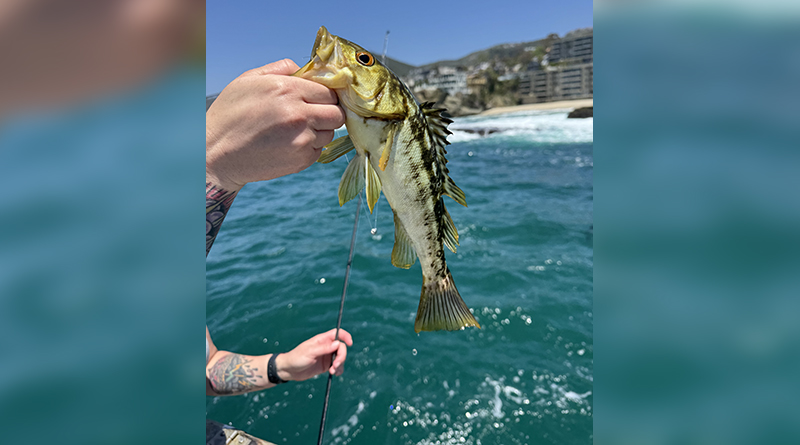
Personally, I tend to practice catch and release whenever possible. I might keep a single rockfish, just enough for a fresh ceviche, and release the rest. That approach not only reduces impact on the fishery, but also allows those fish to continue growing and reproducing.
That idea, leaving more behind than you take, is central to ethical fishing.
Equally important is understanding and respecting seasonal closures, minimum size requirements, and gear restrictions. These rules are carefully developed to protect spawning populations, allow juvenile fish to mature, and maintain balance within marine ecosystems. Taking the time to review regulations before heading out is one of the easiest ways to fish responsibly.
A valid fishing license is another key component. Beyond being a legal requirement, the fees collected from licenses directly support conservation efforts, fisheries management, and habitat restoration. Every license purchased contributes to the long-term health of the resource.
Ethical fishing also extends to how anglers interact with the environment around them. One of the most visible issues on the water is marine debris, much of which originates from fishing activity. Discarded fishing line, hooks, and packaging can pose serious threats to wildlife, entangling birds, fish, and marine mammals.
Recycling old fishing line is one of the simplest ways to make a difference. Many landings and marinas now provide designated collection bins specifically for monofilament recycling. Cutting line loose and letting it drift away is never an acceptable option. What may seem small in the moment can have lasting consequences in the ocean.
The same principle applies to general trash. Whether it’s bait containers, food wrappers, or tackle packaging, everything brought onboard should leave with you. A clean deck and a clean ocean go hand in hand.
Beyond environmental responsibility, ethical fishing is also about how fish are handled once they’re caught. The way a fish is treated in those first moments can determine whether it survives after release. Avoiding unnecessary harm is critical.
That means not “bouncing” fish on the deck, minimizing the time they spend out of the water, and handling them with care. If a fish is going to be released, it should be returned to the water as quickly and gently as possible. Holding the fish securely by the lip or supporting it properly before lowering it back into the water helps reduce stress and injury.
Using the right gear can also make a significant difference. Circle hooks and barbless hooks are designed to reduce deep hooking and make removal easier, improving survival rates for released fish. Tools such as dehookers and long-nose pliers should be standard equipment for any angler who practices catch and release.
Sometimes, despite best efforts, unintended catches happen. Hooking a seabird, for example, can be one of the more chaotic and stressful situations on the water. Birds will flap, twist, and struggle, making the situation difficult to manage. In those moments, patience and care are essential. Removing the hook gently and minimizing further injury should always be the priority.
Ethical anglers understand that every interaction with marine life carries responsibility, even the unexpected ones.
Respect also extends beyond the fish and the environment to other people on the water. Giving fellow anglers space, following boating etiquette, and being mindful of shared resources all contribute to a positive experience for everyone. The ocean is not owned by any one person and maintaining that shared respect is part of what keeps the sport enjoyable.
Ultimately, ethical fishing is not about perfection. It’s about awareness and intention. It’s about making better choices each time you head out, even in small ways. Those choices add up, shaping the health of fisheries and the future of the sport.
If the next generation is going to experience the same thrill of a tight line, the same excitement of a first catch, and the same connection to the ocean, today’s anglers must lead by example.
If we do not take care of the ocean, who will?
By valuing the resource, following the rules, reducing waste, and treating marine life with respect, anglers can help preserve not only the environment, but also the tradition of fishing itself.
Being an ethical angler is not just a title. It’s a commitment; one that ensures the ocean continues to give back for years to come.