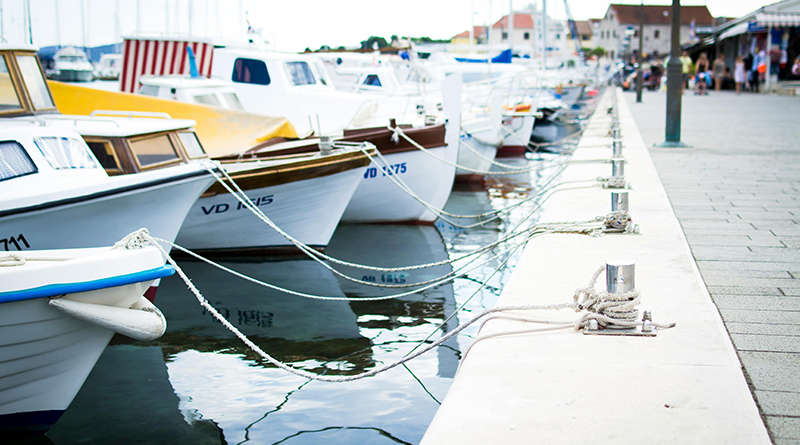
Southern California is blessed with sunshine, salt air, and a boating season that rarely shuts down. With average winter temperatures seldom dipping below 50 degrees, local boaters do not face the frozen marinas or iced-over engines that plague their counterparts in colder climates. But mild weather should not be mistaken for an excuse to leave a boat unattended through the off-season. Neglect, not ice, poses the greatest threat in these harbors, and winter is the time when corrosion, fuel problems, and mechanical deterioration can quietly set in.
For many boaters, the colder months naturally bring a pause. Offshore fishing slows, family schedules change, and fewer trips are made out of the harbor. Vessels often sit idle, and in those idle months the difference between a trouble-free spring and a costly repair bill is determined by how well the boat was cared for during the winter. Even though Southern California waters don’t freeze, the principles of winterizing remain essential. Fuel systems gum up, batteries lose charge, interiors grow mold, and salt eats away at unprotected surfaces. A boat put away haphazardly will show it when the season starts again.
In other regions, the risk of freezing makes winterization a matter of survival. When water trapped inside an engine or gear case turns to ice, the expansion can crack a block or housing and leave an owner with repairs that cost thousands of dollars. The solution is straightforward — drain, flush, and protect every system before the temperature drops — but the consequences of skipping even one step are severe. While freezing is not a pressing concern in Southern California, the wisdom behind the process applies everywhere. A checklist is the most effective safeguard.
Every boat should have one, and every owner should follow it with discipline. The owner’s manual is always the first authority, but in its absence, a reliable procedure can be built using general practices for outboard and inboard engines. The list of items needed is short — fuel stabilizer or biocide, fogging oil, fresh lubricants, and in colder cases, propylene glycol antifreeze — but the order and thoroughness of each step is what matters.
For outboards, the process begins with a freshwater flush to clear salt and debris. The fuel line should be disconnected while the engine runs, allowing the carburetors to empty, preventing stagnant gasoline from gumming up the system. Just before it stalls, fogging oil should be sprayed into the carburetor intake to coat internal surfaces against corrosion. Water passages must be drained completely, spark plugs removed and fogged, and the flywheel turned to spread protection across cylinder walls. Gearcases need to be drained and refilled with the correct lubricant, linkages and starter mechanisms lubricated, and propeller shafts cleaned and protected. Finally, the decision must be made regarding the fuel tank. Ideally, it is run nearly empty and drained. If not, it should be topped off to reduce condensation and treated with stabilizer to prevent ethanol separation.
Inboards demand more. Oil and filters must be changed while the engine is warm so contaminants are suspended and removed. Transmission fluid should be replaced as well. For freshwater-cooled engines, coolant needs to be refreshed with a proper 50/50 mix to preserve anti-corrosion properties. Gasoline engines should be run dry; diesel tanks should be filled and treated with biocide. Fogging oil is again critical, both through the air intake as the engine winds down and directly into the cylinders once spark plugs are removed. Raw-water systems must be flushed, and in some cases protected with antifreeze to coat internal surfaces and prevent corrosion in hidden spots. Mufflers should be drained, control cables greased, exposed metal coated, and all openings sealed to keep moist air out. Stern drives combine elements of both, requiring careful attention to both the engine block and the lower drive unit, and they must always be stored in the down position to drain properly.
But engine work is only part of the picture. Batteries should be disconnected and removed, or kept on a smart charger. Hulls should be cleaned, waxed, and inspected, with zincs replaced and bottoms pressure-washed if hauled out. Interiors should be scrubbed and dried, and moisture absorbers placed in compartments to prevent mildew. Canvas should be removed, cleaned, and stored indoors where possible, and electronics should be taken home and stored safely. Safety equipment deserves equal attention. Life jackets, flares, extinguishers, and bilge pumps should all be inspected and replaced or serviced as needed. The off-season is the time to prepare for emergencies before the next voyage.
Downtime also provides an opportunity to make improvements. Many owners use the winter months to service winches, replace running rigging, update electronics, revarnish wood, or schedule yard work that would otherwise cut into valuable summer days. It is also a chance to organize tackle, restock safety kits, and complete education requirements such as the California Boater Card. Planning spring trips, making reservations at popular destinations like Catalina, and coordinating with fellow boaters all fit naturally into this season of preparation.
What Southern California boaters must remember is that while ice is not the enemy here, complacency is. Saltwater corrodes year-round. Fuel degrades regardless of climate. Batteries weaken whether the air is warm or cold. And engines left idle without proper care will suffer the same neglect as those in harsher environments. Skipping these steps simply shifts the bill into the future, where it is usually higher.
The message is clear: treat winter care as a responsibility, not an option. Boats are among the most significant investments many families make, and their safe operation depends entirely on the diligence of their owners. As one historian remarked about preserving Dana Point’s lanterns, “If you don’t save it now, how will it ever become old?” The same principle applies to vessels in every slip and storage yard. Preventive maintenance is what allows them to endure, season after season.
Southern California may not freeze, but its harbors are filled with boaters who understand that proper care during the off-season is the key to a safe and reliable spring. The checklist may look different than in Boston or Chicago, but the obligation remains the same. When the first warm weekend arrives and it’s time to cast off, those who took the time in winter will be the ones ready to go, while those who didn’t will still be at the dock — paying for mistakes that could have been prevented.