image 1 (1)

Port of Long Beach: A Century of Progress and Community Engagement

Port of Long Beach

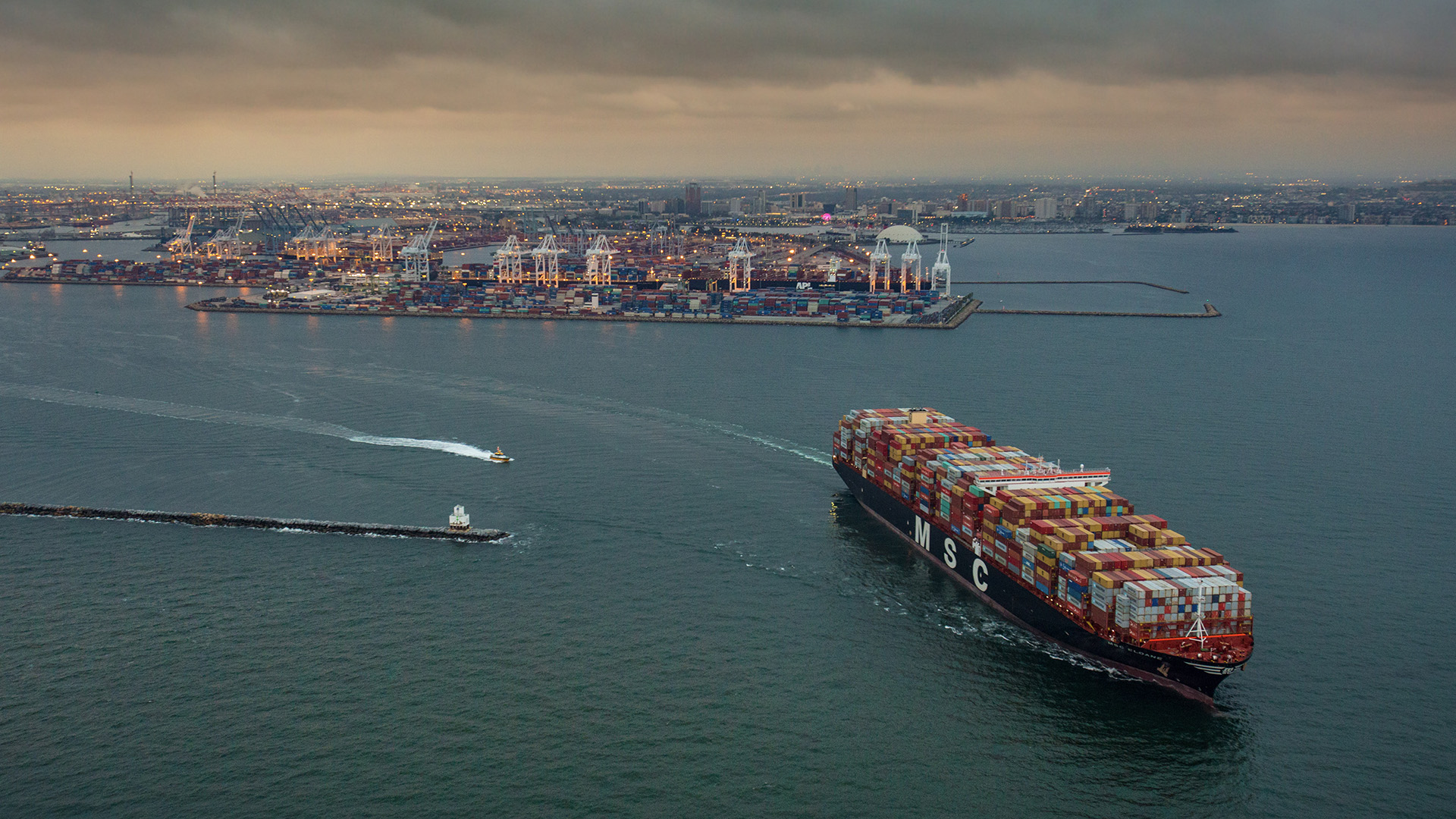
Established in 1911, the Port of Long Beach evolved from a modest municipal dock into one of the world’s busiest and most advanced seaports. Spanning 3,200 acres with 25 miles of waterfront, it servs as a critical gateway for trans-Pacific trade, facilitating the movement of goods between the United States and Asia. The port’s operations significantly contribute to the national economy, supporting over 316,000 jobs in Southern California and generating approximately $100 billion in trade annually.

The port’s journey began with a single municipal wharf at the mouth of the Los Angeles River. Over the decades, it expanded its facilities and infrastructure to accommodate increasing maritime commerce. Significant developments included the construction of deep-water terminals, modernization of cargo-handling equipment, and implementation of state-of-the-art technology to enhance operational efficiency. These advancements positioned the Port of Long Beach as a leader in the shipping industry, renowned for its customer service and commitment to innovation.

The Port of Long Beach is a landlord port that’s developed and leased shipping terminals to various tenants, including containerized, dry bulk, liquid bulk, break bulk, and roll-on/roll-off cargo operators. This model allowed the port to focus on infrastructure development and maintenance while enabling tenants to manage cargo operations efficiently. The port’s strategic location less than two miles southwest of downtown Long Beach and approximately 25 miles south of downtown Los Angeles underscored its importance in the global supply chain.

The Port of Long Beach remains committed to mitigating the environmental impacts of its operations on surrounding communities. A cornerstone of this commitment is the Community Grants Program, the largest voluntary seaport mitigation initiative in the United States. Since its inception, the program allocated over $65 million to projects aimed at improving air quality, reducing noise, managing stormwater runoff, and creating open space buffers between port operations and residential areas. To date, $50.6 million had been committed to various community-based projects.

In its ongoing effort to address community concerns, the Port of Long Beach seeks public input to shape the funding priorities for the Community Grants Program for the 2025-2027 cycle. Residents living near the port or its trade corridors are encouraged to participate in a virtual workshops, such as the most recent one held on Wednesday, January 15 when the port staff presented outreach findings from 2024 and gathered feedback to inform future funding decisions.

The Port of Long Beach has achieved numerous milestones in its pursuit of operational excellence and environmental sustainability. In 2021, the port handled a record 9.38 million twenty-foot equivalent units (TEUs), marking the busiest year in its history. This achievement underscored the port’s capacity to manage significant cargo volumes while maintaining efficient operations.

Looking ahead, the port outlined strategic goals to further enhance its services and community impact:

  • Infrastructure Development: The port planned to invest $2.6 billion over the next decade to upgrade facilities, including roadway, waterway, wharf, and rail improvements. These enhancements aimed to increase productivity, reduce traffic congestion, and support sustainable growth.
  • Environmental Initiatives: Continuing its leadership in green port initiatives, the Port of Long Beach remained committed to reducing environmental impacts through sustainable practices. This included efforts to improve air and water quality, decrease greenhouse gas emissions, and promote the use of clean energy sources.
  • Community Collaboration: The port sought to broaden community access to port-related opportunities and economic benefits. Engaging with local residents and stakeholders through programs like the Community Grants Program ensured that the port’s growth aligned with the well-being of surrounding neighborhoods.

The Port of Long Beach stands as a testament to over a century of progress, innovation, and dedication to both global commerce and local community welfare. Its history reflects a continuous commitment to adapting and leading in the maritime industry, while its initiatives demonstrate a proactive approach to environmental stewardship and community engagement. As the port moves forward, it remains focused on achieving its strategic goals, fostering sustainable growth, and maintaining its role as a vital economic engine for the region and the nation.

For more information about the Port of Long Beach and its programs, please visit their official website at www.polb.com.