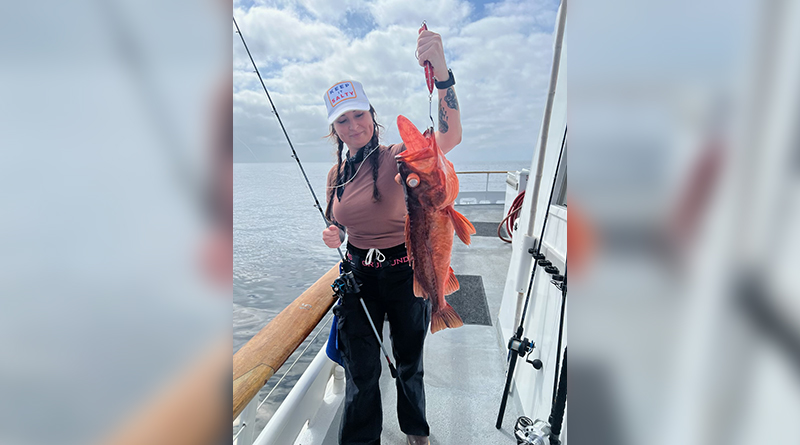
After a winter closure that keeps many anglers tied to the dock or focused on other fisheries, April 1 marks one of the most anticipated dates on the Southern California fishing calendar. The reopening of California’s recreational rockfish and groundfish season signals a return to deeper water opportunities, and for many, it’s time to dust off electric reels, rig slow-pitch setups, and point the bow offshore toward productive zones like the 14-Mile Bank.
The seasonal closure, which typically runs from January 1 through March 31 for nearshore species, is designed to protect vulnerable groundfish populations during critical periods. When the season reopens, it restores access to a wide range of species, including rockfish, lingcod, cabezon, and greenling, while also reopening deeper offshore structure that has remained untouched for months.
For anglers, the appeal is immediate. Rockfish season offers both variety and consistency, with dozens of species inhabiting Southern California’s offshore banks, reefs, and hard-bottom structure. Locations like the 14-Mile Bank become prime targets, where underwater plateaus and ridges hold fish that have experienced minimal pressure during the closure.
While the excitement around the opener often centers on the phrase “all depths,” understanding what that actually means is critical. In many areas, the season begins with broader depth access, allowing anglers to fish both shallow and deep water. However, these opportunities are governed by a complex framework of regulations that vary by region, species, and time of year.
In California, groundfish regulations are divided into management areas, including Northern, Central, and Southern regions, each with its own set of rules. For Southern California anglers, the Southern Management Area generally applies, where fishing may be allowed in all depths at certain times, but can also include depth restrictions tied to specific conservation goals.
These depth limits are often defined using fathom lines, such as 50-fathom or 100-fathom boundaries. A fathom equals six feet, meaning a 50-fathom line represents 300 feet of depth. However, these lines are not simply based on depth readings. They’re established using GPS coordinates that create regulatory boundaries anglers must follow, regardless of what their fish finder shows beneath the boat.
These restrictions are in place to protect sensitive species, including certain rockfish that are more susceptible to overfishing due to slow growth rates and long lifespans. In some cases, if bycatch of prohibited species becomes too high, regulators may implement in-season changes, such as restricting fishing to deeper water or closing specific areas altogether.
Because of this, anglers are strongly encouraged to review the latest California Department of Fish and Wildlife (CDFW) regulations before heading out. Rules can shift during the season, and staying informed is part of responsible fishing.
Another key requirement that continues into the 2026 season is the mandatory use of a descending device. Any vessel targeting or possessing groundfish must have a functioning descending device onboard. These tools allow anglers to return fish safely to depth, helping reduce barotrauma, a condition caused by rapid pressure changes when fish are brought to the surface.
In addition to depth and gear regulations, anglers must also be aware of species-specific restrictions. Certain rockfish, including bronzespotted, cowcod, quillback, and yelloweye rockfish, are strictly prohibited and may not be retained at any time. These species are protected due to their vulnerability, and any that are caught must be released immediately using proper descending techniques.
Beyond the regulations themselves, the reopening of rockfish season is also a reminder of the broader responsibility anglers carry on the water. Fishing offshore banks like the 14-Mile Bank requires preparation, awareness, and respect for both the resource and the conditions.
From a tactical standpoint, the fishery continues to evolve. Electric reels have become increasingly popular for deep dropping, allowing anglers to fish efficiently in depths that would otherwise be physically demanding. At the same time, slow-pitch jigging has gained traction as a more hands-on approach, offering a technique-driven alternative that can be both effective and engaging.
Regardless of the method, success often comes down to understanding structure. Rockfish tend to congregate around hard bottom, ledges, and high spots, making areas like the 14-Mile Bank particularly productive. Drifting across these features while monitoring sonar closely can help anglers stay on fish and adjust their approach as conditions change.
As the season gets underway, it’s also worth remembering that the reopening is not just about opportunity, but about sustainability. The winter closure, depth restrictions, and species protections are all part of a larger effort to ensure that California’s groundfish populations remain healthy for future generations.
For many anglers, April 1 represents more than just the start of a season. It marks a return to offshore routines, early departures, and the anticipation of a full fish bag at the end of the day. It’s a chance to reconnect with a fishery that has become a cornerstone of Southern California’s angling culture.
But as boats head back out to the banks and reels begin to turn once again, the importance of fishing responsibly remains front and center. Knowing the rules, respecting the limits, and using the right tools are all part of what makes a successful trip — not just for today, but for the seasons ahead.
As always, anglers should consult the latest CDFW regulations and the Ocean Sport Fishing interactive map before heading out, as in-season changes can occur. Staying informed ensures not only compliance, but also helps protect the very resource that makes rockfish season possible.