Warm water, swells and changing ocean conditions are making it increasingly difficult for Southern California bait receivers to keep their tanks full.
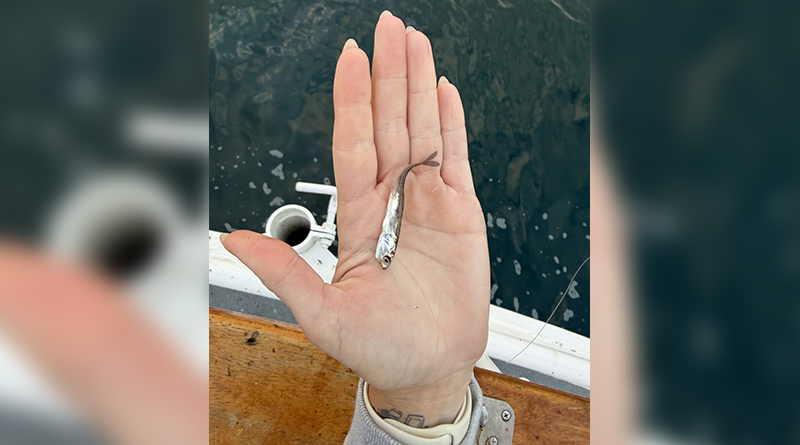
For many Southern California anglers, the first stop before a day on the water is the bait receiver. But in recent weeks, securing a tank full of lively sardines or anchovies has become increasingly difficult, leaving many boaters wondering where all the bait has gone.
The answer isn’t that the bait has disappeared. It’s that changing ocean conditions have made it much harder for commercial bait fishermen to catch it.
According to industry experts, water temperature plays one of the biggest roles in determining where schools of anchovies and sardines congregate. Like many marine species, both fish have an optimal temperature range where they are most comfortable. As ocean temperatures climb during the summer months, particularly during warm-water events, the bait often leaves its usual haunts in search of cooler water.
“When the water gets warm, the bait doesn’t like it,” one bait industry source explained. “Anchovies and sardines both have an optimal temperature range they prefer.”
Rather than remaining near the surface where commercial bait boats can easily locate and surround them with purse seines, the schools often move deeper into the water column. Once that happens, they become much more difficult to harvest.
Commercial bait boats rely on surrounding an entire school with a net before drawing it closed. When the bait moves well below the surface, that process becomes significantly more challenging.
“If the bait goes offshore and then goes down deep, they can’t get their nets around it,” the source said.
The problem doesn’t stop there.
In some cases, the bait moves into extremely shallow water along beaches in search of favorable conditions. While that may sound like good news, rough surf often prevents bait boats from safely working those areas.
Other schools seek shelter over rocky reefs or hard-bottom structure, where commercial fishermen face another challenge.
“They can’t fish those areas with their nets because they’ll tear them,” the source explained.
A damaged purse seine can represent a costly repair and valuable downtime, making those locations largely inaccessible despite the presence of bait.
Weather conditions can compound the issue even further.
Southern California has experienced periods of larger-than-normal swells generated by tropical systems in the eastern Pacific. While those storms may be hundreds of miles away, the resulting swell can make locating and harvesting bait significantly more difficult.
Lunar cycles also play a role. Around the full moon, bait behavior often changes, adding yet another variable for fishermen trying to locate schools.
“There are lots of small factors that make it hard for them to catch bait,” the source said. “Warm water, the bait going deep, waves from hurricane swells, the full moon — it all adds up.”
For recreational anglers, the result has been inconsistent bait availability at local receivers throughout Southern California. Some days, receivers have been well stocked, while on others, supplies have sold out quickly or not arrived at all.
Fortunately, the shortage doesn’t necessarily indicate poor fishing. In fact, many of Southern California’s offshore species, including yellowtail, dorado, yellowfin tuna and bluefin tuna, have been thriving in the same warm-water conditions that are pushing baitfish into less accessible areas.
As summer continues, anglers are encouraged to call their local bait receiver before heading to the launch ramp and to remain flexible if live bait is limited. Carrying artificial lures, surface irons, Colt Snipers, slow-pitch jigs or other proven offerings can help salvage a trip when sardines or anchovies are in short supply.
While live bait shortages can be frustrating, they’re often a reminder of just how dynamic Southern California’s marine ecosystem can be. A few degrees of water temperature, a passing swell or even the phase of the moon can shift baitfish behavior overnight, creating ripple effects felt by everyone from commercial bait harvesters to weekend anglers hoping to fill a livewell before sunrise.