The large yellowtail that drove so much excitement in Southern California have become harder to find. Recent catches still include yellowtail and yellowfin tuna, with dorado mixed in, but anglers are seeing a different grade of fish than they were during the height of the bite. Now, as Hurricane Polo sends swell toward the coast, the question is whether another change in water conditions will further interrupt the fishing. Recent landing counts show that all three species are still being caught, though counts alone do not establish the size of those fish.
Polo’s center is forecast to move across Baja California Sur and into mainland Mexico, according to the National Hurricane Center. Southern California doesn’t need a direct hit to feel its effects. Swell generated far from shore can reach local beaches and harbor entrances, creating rough conditions for boats headed out to fish. The National Weather Service was tracking elevated surf and coastal flooding concerns in Southern California on Monday, Sept. 28.
On the fishing grounds, the effects can outlast the most dramatic day of surf. Large waves can stir sand and sediment in shallow water, leaving coastal areas muddy and reducing visibility. A storm can also mix the water column and disturb the places where bait and game fish had been holding. National Oceanic and Atmospheric Administration (NOAA) Fisheries has documented fish moving away from areas affected by hurricane waves, including a study in which tracked fish left a reef before storms and many returned after conditions settled. That research was conducted on another coast and species, but it illustrates why a productive spot may fish differently after heavy swell.
The shift in the yellowtail bite cannot be assigned to Polo alone. Ocean temperatures, currents, and prey were changing before this swell arrived. NOAA Fisheries has also cautioned that Southern California’s unusually warm water this year began with a marine heatwave that preceded the developing El Niño. Warm-water species can spread into new areas as conditions change, but that doesn’t mean a particular group of larger fish will move back south on a predictable schedule.
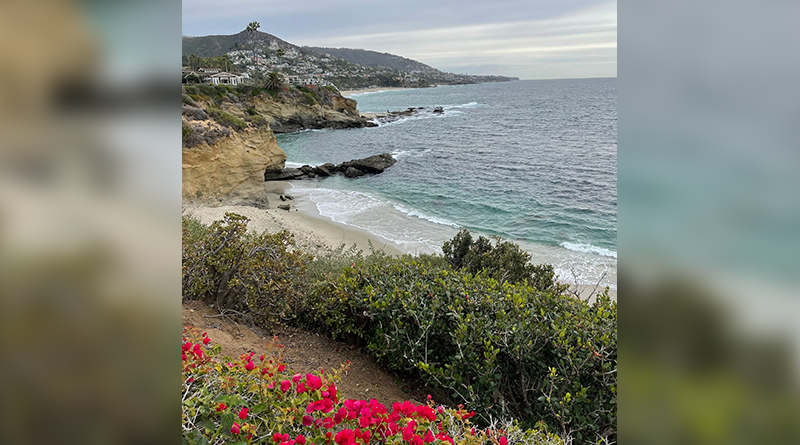
There is another factor along the coast: an El Niño-related Kelvin wave can raise background sea level without behaving like the breaking waves people see from shore. When elevated water levels, high tides and hurricane swell coincide, waves can reach farther inland and worsen erosion or flooding. The damage visible along the shoreline is a serious warning for boaters, even though it does not tell anglers exactly where the fish have gone.
For now, anglers are playing the waiting game. Smaller yellowtail and yellowfin, along with scattered dorado, remain part of the catch, while crews watch for clearer water, bait and favorable temperature breaks after the swell passes. Before heading out, boaters should check the latest marine forecast and conditions at their departure harbor. A promising fish report is only one part of deciding whether a trip makes sense.