



On August 24, 2025, the iconic Catalina Classic Paddleboard Race returns for its 48th annual event, once again challenging some of the world’s most dedicated athletes to conquer the channel between Catalina Island and the Manhattan Beach Pier. Known as the oldest and most prestigious paddleboard race in the world, the 32-mile endurance event is more than just a test of physical stamina; it’s a living link between ancient maritime traditions and modern ocean sports.
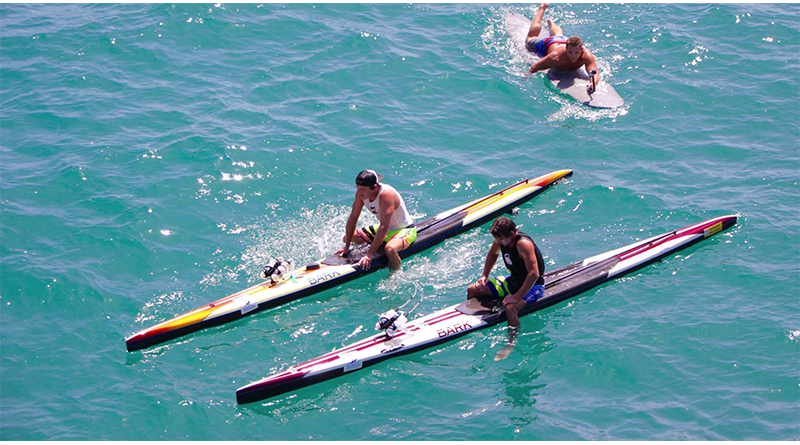
The race begins at 6:00 a.m. in Isthmus Cove on Catalina Island and ends at the Manhattan Beach Pier. Paddlers, equipped with boards ranging from 12 to 19 feet in length, will rely solely on their hands to propel themselves across the open ocean. Wind, swell direction, and unpredictable currents are constant variables in a course widely considered one of the most grueling in paddle sports.
Hosted by the Catalina Classic Paddleboard Association, a volunteer-run nonprofit, the race is open to elite athletes from around the globe who meet rigorous qualifying standards. Registration is managed through PaddleGuru.com, with a two-stage registration period for pre-qualified and open qualifiers. Final race confirmations are issued by August 1, and the community of organizers, athletes, and volunteers work in concert to preserve the heritage of a race that has grown into a cornerstone of Southern California’s ocean sport culture.
A Race Steeped in Legacy
The roots of the Catalina Classic stretch back to 1955, when Bob Hogan first organized what was then known as the Manhattan Beach International Paddleboard Race. His vision helped launch an annual event that today stands as the ultimate test of paddleboard endurance. The Classic has run nearly every year since its founding, with a few hiatuses, and continues to inspire paddlers to challenge themselves against the elements.
But the story of crossing the Catalina Channel by human power began long before the modern race era.
The waters between the island and the mainland have served as a corridor for seafaring people for thousands of years. Catalina Island, known to its original inhabitants as Pimu, was home to the Pimuvit or Pimungans — Indigenous peoples closely related to the mainland Tongva. These early mariners paddled plank canoes called “ti’ats,” trading and traveling among the Channel Islands and coastal California. The channel, with its shifting tides and long swells, was never a barrier — it was a highway.
When Spanish explorer Juan Rodriguez Cabrillo arrived in 1542, he was greeted by the Pimungans, a people whose maritime skill was evident. Over centuries of colonization and cultural upheaval, the legacy of these early paddlers endured quietly. Today, events like the Catalina Classic not only carry the physical challenge of crossing the channel but honor a deeply embedded human connection to the ocean.
Historic Milestones and Famous Figures
The historical significance of the Catalina Channel continued to evolve into the 20th century, particularly during the era of channel swimming. William Wrigley Jr., the chewing gum magnate and owner of Santa Catalina Island, capitalized on the popularity of England’s Channel swims by organizing the Wrigley Ocean Marathon in 1927. With a $25,000 prize for the winner, the event drew 100 entrants. Only one, a 17-year-old Canadian named George Young, finished.
The fame and spectacle of that swim helped establish the Catalina Channel as a proving ground for ocean athletes. It paved the way not only for swimmers, but also for paddleboarders, kayakers, and prone paddlers seeking to test themselves in one of the most respected stretches of ocean in the world.
Meanwhile, legendary figures like Duke Kahanamoku and Tom Blake played pivotal roles in bringing Hawaiian paddling and surfing culture to California. Blake, in particular, revolutionized the design of paddleboards, developing the first hollow board and receiving a U.S. patent in 1932. His innovations made long-distance paddling more efficient, and his influence is still felt in the designs used in races like the Catalina Classic.
More Than a Race — A Cultural Connection
Today, the Catalina Classic is more than an athletic contest. It’s a gathering of community, history, and spirit. Racers camp out at Buffalo Park on Catalina Island the night before, attend mandatory safety briefings, and coordinate closely with escort boats that will guide and monitor them throughout the journey.
The start line off the Isthmus is calm but electric on race morning. Racers check in one last time at 5:00 a.m., boats assemble near Ship Rock, and at exactly 6:00 a.m., the horn sounds. What follows is a test of individual endurance, strategic decision-making, and sheer willpower.
For some, the channel offers calm seas and a gentle push from the current. For others, it’s a 32-mile battle against headwinds and rogue swells. Finish times can range from just under six hours for the fastest unlimited paddlers to more than nine hours for those in the stock divisions. Every finisher, regardless of placement, earns a place in the Catalina Classic’s growing history.
The 2025 Race Weekend
Race weekend kicks off with a mandatory safety briefing and check-in at 4:00 p.m. on Saturday, August 23, at Buffalo Park near the Isthmus. Paddlers and escort boat captains will receive race numbers, safety instructions, and course updates. All racers are required to check in again by 5:00 a.m. on Sunday, August 24, before the official race start at 6:00 a.m.
Escort boats are a vital part of the event, helping guide paddlers and offering hydration, navigation support, and emergency aid if needed. They must be registered with the race committee, and all boat crews receive detailed guidance on safety frequencies and channel protocol.
By 11:00 a.m., the lead paddlers are expected to approach Manhattan Beach Pier, where spectators, family members, and volunteers gather to cheer them in. The final racer typically crosses the line by 3:00 p.m. All participants regroup for a group photo at the pier, followed by a dinner and awards presentation at 5:00 p.m.
A Tradition That Endures
Paddleboarding itself traces its lineage back to ancient Polynesia, where it was not only a sport but a spiritual practice. Hawaiian surfboards were often sacred objects, carved with care and linked to the cultural identity of their users. That sense of reverence carries through today, as modern paddleboarders draw inspiration from both their athletic forebears and their ancestral connections to the sea.
The Catalina Classic exemplifies that spirit. It’s a race built by paddlers for paddlers, rooted in a respect for the ocean, a commitment to community, and a reverence for the endurance of the human body and spirit.
Each year, new stories are written; they’re accounts of personal bests, hard-fought finishes, and deep bonds formed between athlete and ocean. With each crossing of the channel, another chapter is added to the long and storied legacy of paddle-powered exploration in the waters off Southern California.
As the 48th annual race approaches, the Catalina Classic Paddleboard Association continues to uphold the tradition and expand its impact. Through athlete support, historic preservation, and community engagement, the Association ensures that the race remains not only a challenge for today’s competitors but a link to the maritime past that shaped our coastline.
For more details and to register, visit catalinaclassicpaddleboardrace.com/.