2026 season will conclude decades-long hunting program as island restoration efforts enter a new phase.
The Catalina Island Conservancy has announced that the 2026 deer hunting season will be the final recreational hunting season on Catalina Island, marking the end of a long-standing tradition as the organization prepares to move into the next phase of its island-wide habitat restoration program.
The season will run Oct. 24 through Dec. 18, with hunting tags available at no cost to eligible Catalina Island residents. Applications are now being accepted.
According to the Conservancy, the conclusion of the hunting program follows approval by the California Department of Fish and Wildlife of a restoration management permit authorizing the removal of Catalina’s non-native mule deer as part of the Conservancy’s long-term ecological restoration efforts.
The state-approved permit allows only trained specialists to carry out future deer removal operations, making the 2026 season the final opportunity for qualified local hunters to participate in the recreational program.
“For those who have hunted the Island for generations, we know the importance of this final season,” said David Solomon, interim president and CEO of the Catalina Island Conservancy. “We hope it’s a meaningful conclusion for the local hunters who have been part of this tradition.”
The Conservancy’s recreational hunting program has operated under a Private Lands Management agreement approved by the California Fish and Game Commission. As the owner and steward of approximately 42,000 acres of protected wildlands, the Conservancy establishes hunting parameters on its property to provide managed access while balancing conservation efforts, public safety and recreational opportunities.
Eligibility for the 2026 season remains limited to Catalina Island residents. Applicants must provide proof of residency through a government-issued identification card listing a local address or a valid City of Avalon subsidy card. Hunters must also possess a valid California hunting license, a California deer tag and proof of firearms liability insurance. Hunting tags must be picked up in person by appointment.
The Conservancy said limiting participation to island residents recognizes the community’s longstanding connection to the program. Local hunters are familiar with the island’s terrain, weather conditions and access requirements, allowing the final season to be conducted in coordination with other ongoing conservation activities.
Hunting dates and designated zones have been planned to minimize conflicts with annual island programs, including Catalina Island fox monitoring and vaccination efforts, native plant surveys and habitat restoration projects.
The announcement represents another milestone in the Conservancy’s broader effort known as Operation Protect Catalina Island, a long-term initiative aimed at restoring native ecosystems throughout the island.
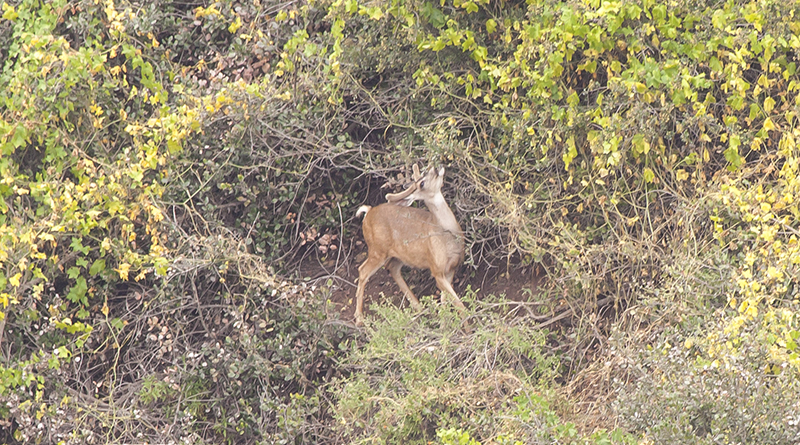
According to the Conservancy, approximately 22 mule deer were introduced to Catalina during the late 1920s and 1930s to establish recreational hunting opportunities. Without natural predators and with no means of leaving the island, the population expanded rapidly. By the 1940s, wildlife biologists estimated roughly 2,000 deer inhabited Catalina.
The Conservancy says decades of ecological research have shown that browsing by non-native mule deer has limited the recovery of native vegetation following disturbances such as wildfire. The loss of native plants has allowed invasive annual grasses to spread, creating conditions that can increase wildfire risk while reducing habitat quality for native wildlife.
The organization believes restoring native vegetation will improve wildlife habitat, strengthen watersheds and increase the island’s long-term ecological resilience.
The Conservancy has encouraged eligible residents interested in participating in the final recreational deer season to submit applications through its website. Additional information about the hunting program and the island’s restoration efforts is available through the Catalina Island Conservancy.