HUNTINGTON BEACH — The roar of jet engines will continue over Surf City skies for decades to come, after the Huntington Beach City Council approved a 25-year contract with the Pacific Airshow. The agreement guarantees the popular three-day event thousands of public parking spaces and city-paid public safety coverage — concessions that some leaders argue leave taxpayers footing too large a bill.
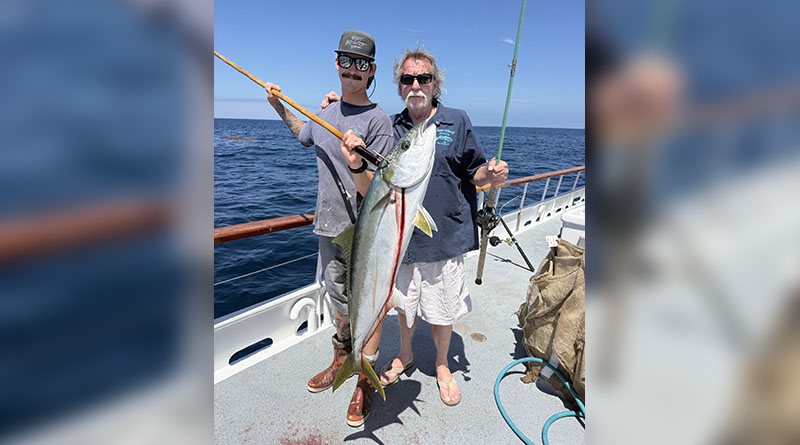
The airshow has become a fall tradition in Huntington Beach, drawing boaters offshore, anglers who mix fishing with prime viewing of the aerobatics, and tens of thousands of spectators lining the sand. City leaders say it generates enormous energy for the waterfront economy, but exactly how much money it brings in — and how much the city spends to host it — remains a point of contention.
How Much Money Does the Airshow Bring to Huntington Beach?
Supporters of the deal point to a 2023 study by consulting firm Destination Analysts, which estimated the Pacific Airshow generates $120 million annually in local economic impact. That figure, however, has been challenged. When pressed by reporters, consultants struggled to explain how the number was calculated.
Councilman Chad Williams argued the city has never conducted its own audit to determine how much sales tax, transient occupancy tax, or direct revenues the show brings in. “There’s so many numbers we don’t know,” Williams said during deliberations. “It’s totally possible for us to actually go get an economist and figure out these numbers…why has that not been done?”
For the waterfront community — marinas, tackle shops, restaurants, and charter operations — the airshow weekend can indeed be busy. But as Williams and others noted, much of the spending may occur in areas that do not directly boost city coffers.
How Much Will Huntington Beach Subsidize the Show?
Under the terms of the contract, Huntington Beach will cover the cost of police, fire, and public works staff during the event — expenses that amount to more than $800,000 annually. The airshow operators are also guaranteed free use of coastal parking lots and garages for the first five years, after which they’ll pay just $10 per spot.
Additionally, the deal grants organizers the right to expand entertainment offerings, including a multiday music festival, on-sand attractions, and even a boat race around Catalina Island — ventures that could draw further crowds to an already congested shoreline.
Councilman Don Kennedy defended the deal, though with some reservations. “As tough as it is to swallow, the negotiation has already been transacted,” Kennedy said, noting a prior legal settlement limited the city’s leverage.
A Waterfront Balancing Act
The Pacific Airshow began in 2016 and quickly grew into one of the largest events of its kind in the nation. For boaters, it’s become both a spectacle and a logistical challenge, with prime anchorages filling quickly and marine patrols stretched thin. Anglers often note that offshore fishing grounds take on a different character that weekend, as the sound of afterburners mixes with the slap of waves.
Yet while the airshow brings undeniable excitement to the coast, the new contract leaves many questions unresolved. Will the claimed economic windfall truly outweigh the millions in subsidies over the life of the deal? Can the city ensure waterfront businesses — those who rely on boating, fishing, and tourism — see tangible returns?
Councilman Williams pressed for a pause and renegotiation within a year, but his motion failed. For now, Huntington Beach residents, visitors, and the maritime community are left with a long-term commitment: 25 years of jet noise, beach crowds, and a civic wager that the skies above Surf City will remain as lucrative as they are loud.