Sportfishing is deeply woven into the identity of Long Beach, shaping the city’s waterfront culture, economy, and long-standing relationship with the ocean. For generations, the harbor has served as a point of entry to the Pacific, offering fishing opportunities that are both accessible and diverse, whether someone is stepping aboard a sportboat for the first time or returning as a seasoned angler.
At its core, sportfishing in Long Beach is about access. Protected harbor waters, multiple launch ramps, public piers, and well-established sportfishing landings make it possible to fish without owning a boat or having years of experience. Open-party trips allow anglers to book by the spot, charters offer more personalized outings, and pier fishing provides a simple way to stay connected to the water. This range of entry points has helped sportfishing remain a constant presence in the city’s coastal life.
Sportfishing also reflects Long Beach’s working-waterfront roots. Long before the city became known for its skyline, arts scene, and attractions, fishing boats were a daily sight. Bait receivers, tackle shops, and landings grew alongside the port, supporting jobs, families, and small businesses tied to the harbor. Today, sportfishing vessels still operate alongside commercial shipping, tugboats, and cargo traffic, reinforcing the idea that work and recreation share the same water.
Culturally, sportfishing acts as a shared language in Long Beach. Parents teach children how to fish from local piers. Friends plan overnight trips together. Deckhands, captains, and regular passengers form tight communities built on early mornings, long runs, and dockside conversations. People from different backgrounds often find common ground over what is biting, where the fish moved, or how conditions changed overnight.
Geography plays a major role in shaping these experiences. Long Beach’s proximity to Santa Catalina Island gives anglers relatively quick access to kelp beds, deeper water, and migratory species. Island trips, overnight runs, and seasonal offshore fishing have become part of the local rhythm. When fishing conditions align, the entire waterfront seems to respond.
One of the most visible entry points into this world is 22nd Street Sportfishing, based in San Pedro and long connected to Long Beach anglers. The landing operates a fleet of ten vessels, including the Amigo, Apollo, Freedom, Ghost, Kamryn Dawson, Monte Carlo, Native Sun, Pride, Pursuit, and Truline. These boats run trips ranging from local half-day outings to overnight and offshore excursions. For many anglers, these trips offer a first taste of ocean fishing without the commitment of boat ownership.
For newcomers, 22nd Street Sportfishing removes many barriers to entry. Rental rods are available for trips of varying lengths, deckhands assist with everything from baiting hooks to landing fish, and tackle is suggested based on what is biting. At the end of the day, passengers can choose to take their fish home whole or have it cleaned by the crew. The experience is designed to be welcoming, educational, and practical, especially for those learning the ropes.
Another cornerstone of the Long Beach sportfishing scene is Pierpoint Landing, located along the downtown waterfront. With more than 60 years of fishing experience tied to its leadership, Pierpoint Landing represents a deep family legacy in Southern California sportfishing. Don Ashley began his career in the early 1960s, eventually building and operating multiple vessels before partnering to establish Pierpoint Landing in 2000.
Today, Pierpoint Landing offers a wide range of fishing experiences. Its fleet includes larger sportboats such as the Toronado, City of Long Beach, and Enterprise, as well as smaller six-pack charter boats like Options and boutique vessels such as Avocado Toast. These boats support everything from half-day trips to multi-day fishing adventures, including runs into Baja California waters.
The Ashley family legacy continues through Richie and Jamie Ashley, who operate the Long Beach Bait Company. Their bait operation supplies squid, sardines, and anchovies to sportboats and private anglers on a daily basis, reinforcing the close connection between fishing fleets and harbor infrastructure.
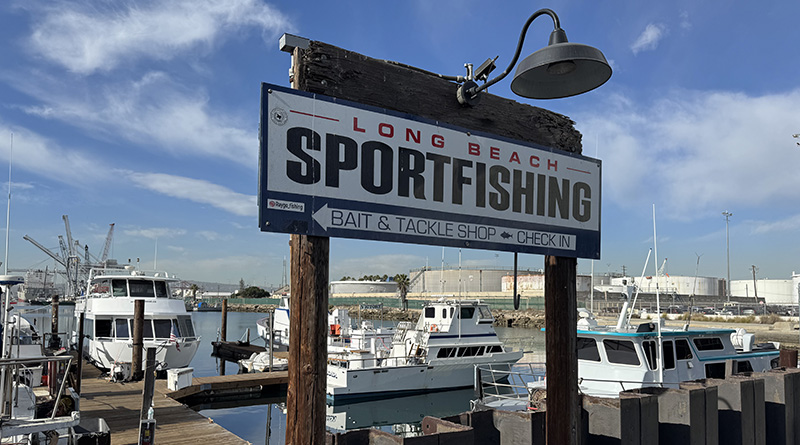
Long Beach is also home to Long Beach Sportfishing, located at Berth 55. The operation offers open-party trips ranging from three-quarter day to multi-day outings, as well as private charters on both large vessels and six-pack boats. Boats such as the Eldorado, Victory, El Patron, Ahra Ahn, and Cee Ray give anglers options based on trip length, comfort, and target species. For those seeking a more social or celebratory experience, party cruise yachts and smaller coastal cruisers expand the waterfront’s recreational offerings.
Beyond the boats themselves, sportfishing supports a wide economic network. Landings, crews, fuel docks, bait barges, mechanics, and marine service providers all rely on a healthy fishing scene. Visiting anglers contribute to local hotels, restaurants, and waterfront businesses. Even residents who never fish benefit from the activity and vitality sportfishing brings to the harbor.
Just as important is the role sportfishing plays in maintaining Long Beach’s relationship with the ocean. Fishing encourages respect for weather, tides, regulations, and marine resources. Conversations on the docks often include seasons, size limits, and conservation practices. Fishing here is not only about catching fish. It is about understanding the water and your place on it.
In Long Beach, sportfishing is not a niche hobby or a tourist add-on. It is a living tradition that connects past and present, recreation and industry, and people to the sea. Whether on a crowded party boat before dawn, a quiet pier at sunset, or a private charter slipping out of the harbor, sportfishing remains one of the most enduring expressions of the city’s coastal identity.