A few simple habits can help anglers extend the life of their equipment, avoid costly repairs, and stay ready for the next bite.
Every angler knows the excitement of a successful day on the water, whether it involves chasing bluefin offshore, working kelp lines for yellowtail, or spending a quiet morning casting from the shoreline. What many anglers overlook, however, is that some of the most important work begins after the boat returns to the dock.
Saltwater is one of the harshest environments fishing equipment will ever encounter. Rods, reels, line, tackle, and accessories are constantly exposed to salt spray, moisture, sand, fish slime, and ultraviolet rays. Without regular care, even the most expensive equipment can begin to deteriorate surprisingly quickly. Corrosion, weakened line, sticky drags, seized bearings, and damaged guides are all common problems that can often be traced back to inadequate maintenance.
Fortunately, protecting fishing equipment does not require complicated procedures or expensive products. Consistent cleaning, proper storage, and regular inspections can significantly extend the life of gear while ensuring it performs when a trophy fish is on the line.
One of the most important steps anglers can take is rinsing equipment with freshwater after every trip. Salt residue left behind on rods and reels continues attracting moisture long after a fishing trip ends, accelerating corrosion and damaging components. A gentle rinse with freshwater helps remove salt, sand, scales, and other debris before it has a chance to cause problems. Experts generally recommend avoiding high-pressure spray, particularly around reels, because water can force contaminants deeper into sensitive components. Instead, a light rinse followed by thorough drying is often the safest approach.
Reels typically require the most attention because they contain numerous moving parts that must function smoothly under heavy loads. After each outing, anglers should inspect reels for signs of salt buildup, stiffness, unusual noises, or rough operation. Handles, drag systems, bearings, and levelwind mechanisms should move freely and smoothly. Periodic lubrication using products recommended by the manufacturer helps protect internal components and maintain performance. Many experienced anglers also schedule annual professional servicing before peak fishing seasons, particularly if their reels see heavy use targeting tuna or other powerful gamefish.
Fishing rods deserve just as much attention. After rinsing, anglers should carefully inspect rod guides for cracks, chips, or worn inserts. Even a small imperfection in a guide can fray fishing line and lead to breakoffs during a fight. Reel seats should be checked for corrosion and secure operation, while the rod blank itself should be inspected for scratches, fractures, or other signs of stress. Catching these issues early can prevent more serious failures later.
Fishing line is another area that deserves regular attention. Before every trip, anglers should run their fingers along the first several feet of line to check for abrasions, nicks, or rough spots. This is especially important after fishing around kelp, structure, rocks, or heavy fish. While braided line generally lasts longer than monofilament, all line eventually degrades through exposure to sunlight, saltwater, and repeated use. Replacing worn line before it fails is far less painful than losing a memorable fish because of a preventable breakoff.
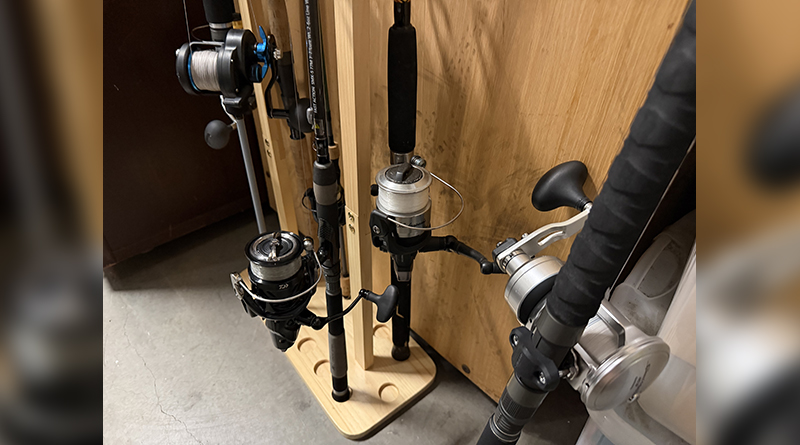
Proper storage also plays a significant role in extending the life of fishing equipment. Gear should be stored in a cool, dry location away from prolonged exposure to direct sunlight. Excessive heat and ultraviolet exposure can weaken fishing line, damage rod finishes, and accelerate wear on plastics and rubber components. Many anglers also loosen reel drags before storing their equipment to reduce long-term pressure on drag washers and internal parts.
Tackle storage is another area that often gets overlooked. Saltwater, moisture, and fish residue can accumulate inside tackle boxes and storage compartments over time, leading to rusted hooks, corroded hardware, and damaged lures. Periodic cleaning and organization not only protect equipment but also make it easier to find what is needed when the action starts.
Perhaps the best maintenance habit of all is performing a quick inspection before every fishing trip. Spending a few minutes checking guides, knots, line condition, drag settings, batteries, and terminal tackle can prevent many common problems before they occur. Small issues that seem insignificant at home often become major frustrations once a boat is miles offshore or a trophy fish is pulling drag.
Quick Questions: Gear Care Basics
How often should saltwater fishing gear be cleaned?
Fishing gear should be rinsed and cleaned after every saltwater outing. Even short trips can leave behind enough salt residue to begin causing corrosion if equipment is not properly maintained.
What’s the biggest mistake anglers make?
One of the most common mistakes is storing gear without rinsing it first. Salt residue continues damaging equipment long after a trip ends and can significantly shorten the lifespan of reels, rods, and tackle.
How often should fishing line be replaced?
The answer depends on usage and conditions, but anglers should inspect line before every trip and replace it whenever significant abrasion, wear, or deterioration is present.
Do reels need lubrication?
Yes. Proper lubrication helps protect gears, bearings, and moving parts from wear and corrosion. Following manufacturer recommendations is the best way to ensure optimal performance and longevity.
For anglers who invest hundreds or even thousands of dollars in fishing equipment, maintenance is more than just housekeeping. It’s an investment in reliability, performance, and peace of mind. A few extra minutes spent caring for gear after each trip can help ensure that when the next opportunity presents itself, the equipment is ready to perform.