From cleats and hatches to electronics, hardware, and increasingly sophisticated technology, a routine deck inspection can catch small problems before they become expensive or dangerous underway.
A boater may spend plenty of time checking the engine, batteries, fuel and electronics before leaving the dock, but some of the equipment most likely to be used during a day on the water is sitting in plain sight.
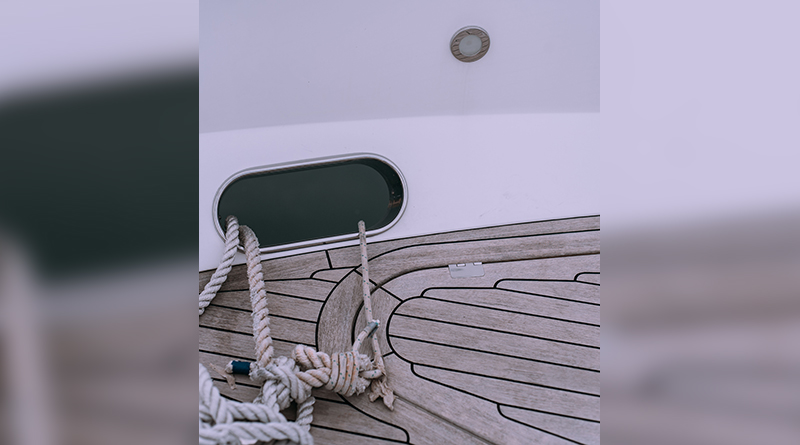
Cleats hold the boat at the dock. Railings give passengers something to grab. Hatches keep water out of compartments below. Rod holders secure fishing equipment, while anchor gear, deck hardware and storage compartments are repeatedly exposed to saltwater, sun, vibration and people moving around the boat.
That makes the deck more than a place to stand. It’s a working part of the vessel, and keeping it secure requires periodically checking the equipment attached to it.
For Southern California boaters, those inspections are especially important because boats can remain exposed to salt air and ultraviolet light throughout the year. A fitting that appears secure at first glance may have loose fasteners, corrosion beneath it, or deteriorating sealant around its mounting point.
A good deck check can begin with the equipment that carries the greatest loads. Cleats, chocks, bow eyes, railings and other fittings should feel solid when pressure is applied. Movement at the base of a fitting can indicate loose hardware or a problem below the deck that deserves a closer look.
The backing beneath the fitting matters as much as what’s visible above it. Deck hardware subjected to significant loads should be properly supported, and boat owners who discover movement should investigate rather than simply tightening an accessible screw and assuming the problem is solved.
That’s particularly important with cleats. Dock lines can place considerable loads on them as a boat moves in wind, wakes or surge. The same applies to hardware used for anchoring or towing. If a fitting begins moving under load, the consequences can extend well beyond a cosmetic repair.
While inspecting hardware, boaters should also look for corrosion, cracked sealant and discoloration around mounting points. Water entering through deteriorated bedding can create problems that are much more difficult to see than a loose fitting on the surface.
From there, attention can move to the equipment people rely on while walking around the boat.
Handrails, grab rails, lifeline components and stanchions should not wobble when someone reaches for them. Non-skid surfaces should also remain clean and effective. Fish slime, sunscreen, oil, and ordinary dirt can turn a deck into a slipping hazard, particularly once water comes aboard.
Hatches and access panels deserve similar attention. Hinges, latches and seals should operate correctly, and weather stripping or gaskets should be checked for deterioration. A hatch that no longer seals properly can allow spray or rainwater into compartments containing gear, wiring, or other equipment.
Storage lockers are another area where a small maintenance issue can become a safety problem. Latches should keep compartments closed when the boat is moving, and equipment inside should be secured rather than allowed to bounce around. Heavy tools, tackle boxes and other loose items can damage the boat or become hazards in rough conditions.
For anglers, the deck inspection should extend to rod holders, bait tank hardware, and other fishing equipment. Rod holders should remain firmly mounted, particularly when used for trolling, and bait tank lids and fittings should latch securely. Cutting boards, removable tables, and other accessories should also be checked before heading offshore.
The same principle applies to recreational equipment. Paddleboards, kayaks, coolers, dinghies and other gear carried on deck need appropriate tie-down points and shouldn’t block walkways or access to emergency equipment.
As boats incorporate more electronics, however, deck security increasingly includes technology as well as traditional hardware.
Modern vessels may have multifunction displays, cameras, wireless sensors, digital switching systems, and remote monitoring capabilities. Some systems allow an owner to check battery voltage, bilge activity, or the boat’s location without being physically aboard.
That technology can be particularly useful for a boat that spends most of its time unattended in a marina. An unexpected bilge pump cycle, low battery, or loss of shore power may provide an early indication that something needs attention.
Cameras and alarms can add another layer of security, especially for vessels carrying expensive electronics, fishing tackle and other equipment. However, technology should complement a physical inspection rather than replace one.
A phone notification can’t tell an owner that a dock line has nearly chafed through unless the system is specifically equipped to detect the resulting problem. It may not reveal that a fender has shifted, a hatch was left unsecured or a railing has begun to loosen.
For that reason, one of the most useful deck “security” checks remains walking the boat from bow to stern.
Start at the dock and look at how the vessel is sitting in the slip. Check dock lines for chafe and make sure fenders are positioned where they actually protect the hull. Look at shore-power connections and confirm cords are not damaged, stretched, or sitting where they can become a tripping hazard.
Once aboard, walk the perimeter of the deck and physically check the equipment encountered along the way. Look at cleats, rails, hatches, hinges, latches, and mounted accessories. Check that nothing has worked loose and that lines, hoses and electrical cords are not creating hazards across walking areas.
The anchor system should be included in that routine. Confirm the anchor is secured and cannot deploy unintentionally. If the boat uses a windlass, inspect accessible components and make sure the rode is properly stored. An anchor moving around on the bow in rough water can damage equipment and create a dangerous situation for anyone working forward.
Lighting should not be forgotten either. Navigation lights need to function when required; cockpit and deck lighting can make movement aboard safer after dark. Owners who rarely operate at night can easily overlook a failed light until they actually need it.
Boat care also plays a role in preserving all of this equipment. Salt left on metal hardware, canvas, electronics, and fittings can accelerate deterioration. Rinsing equipment according to manufacturer recommendations and keeping drains and scuppers clear can help prevent buildup while giving the owner another opportunity to spot something unusual.
That routine cleaning process is also a good time to look at sealants and fasteners. A rust stain, water trail, or small crack may be the first visible clue that a fitting needs attention.
Owners adding new accessories should think carefully about installation as well. A new rod holder, antenna, table mount or electronic device may require drilling through the deck. Proper placement, backing, sealing and compatibility with the deck structure are important, particularly when the equipment will be subjected to substantial loads. When there is uncertainty about what lies beneath the mounting location or how the fitting should be supported, a qualified marine technician can help prevent an upgrade from becoming a future repair.
Ultimately, deck maintenance isn’t about inspecting every screw before every trip. It’s about becoming familiar enough with the boat to notice when something has changed.
A loose railing feels different. A hatch begins closing differently. A cleat develops movement. A line shows more chafe than it did the previous weekend. Catching those changes early can turn what might eventually become a significant failure into a relatively straightforward maintenance job.
Electronics and remote monitoring can make boats smarter, but the fundamentals remain surprisingly simple. Walk the deck, pull on the hardware, inspect the lines, secure the equipment, and pay attention to anything that doesn’t look or feel the way it should.
The deck takes a beating every time a boat leaves the slip and continues working even when the boat is tied up. Giving it a regular once-over helps make sure that when the next trip begins, everything on top of the boat is as ready as everything below it.