Catalina is one of five destinations worldwide competing for a spot on National Geographic Travel’s Best of the World 2027 list, with the winner to be decided by public vote.
AVALON — Catalina Island is competing for international recognition after being named one of five finalists worldwide for the Readers’ Choice selection on National Geographic Travel’s Best of the World 2027 list.
Catalina is the only destination in the United States to advance to the final round. The winner will be selected through a public vote and included on the publication’s annual list as its Readers’ Choice destination.
National Geographic Travel’s Best of the World highlights destinations its editors recommend travelers experience in the coming year. For Catalina, the recognition places the island, located about 22 miles off the Southern California coast, alongside destinations from around the world.
“Being the only U.S. destination among the five finalists is an incredible honor, and it says everything about what makes Catalina special,” Jim Luttjohann, president and CEO of Love Catalina Island, said in an Oct. 8 announcement. “Now we need everyone who has fallen in love with this island to help us bring it home.”
The public can vote through National Geographic Travel’s Instagram account by finding the Readers’ Choice post and commenting “Catalina Island.” Voting closes Tuesday, Oct. 13. Love Catalina Island is encouraging residents, visitors, businesses and others with connections to the island to participate and share the voting information.
While the competition is focused on travel, Catalina’s selection also highlights many of the qualities that have made the island a longtime destination for Southern California boaters, anglers, divers, and other ocean users.
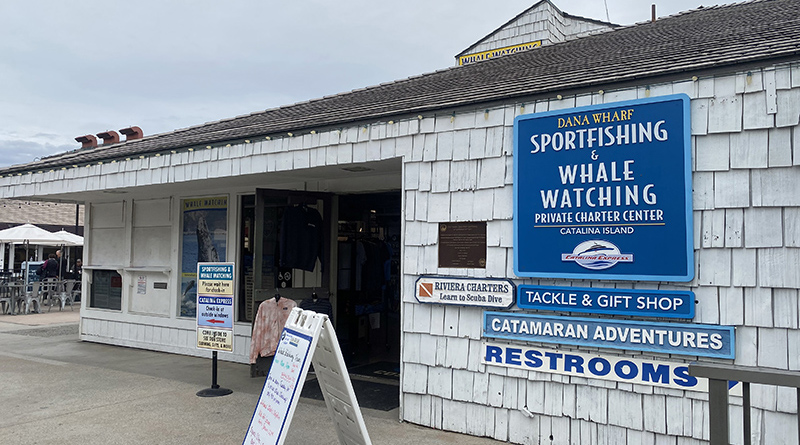
Reached by ferry in about an hour from several Southern California ports, Catalina combines two waterfront communities, Avalon and Two Harbors, with access to boating, fishing, diving, snorkeling, kayaking and paddleboarding. For private boaters, its coves, anchorages and mooring fields have made the island one of Southern California’s most recognizable boating destinations.
Much of Catalina’s character also comes from the amount of land that remains undeveloped. Approximately 88% of the island is managed by the Catalina Island Conservancy, protecting a large portion of the interior and providing access to trails, wildlife habitat and recreation, including the Trans-Catalina Trail.
Protection extends offshore as well. Marine protected areas surrounding Catalina preserve portions of the island’s kelp forests, rocky reefs and marine habitat. Those underwater environments have helped make Catalina a popular destination for divers and snorkelers while also supporting the fisheries and marine life surrounding the island.
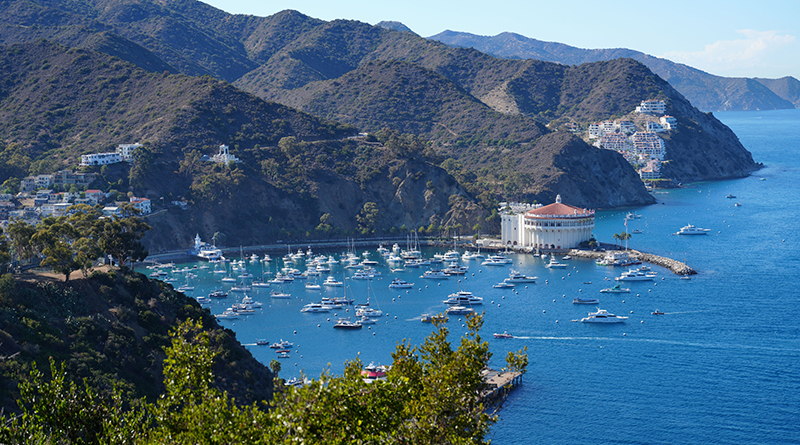
Visitors who stay closer to town can explore Avalon and Two Harbors, which offer different versions of the Catalina experience. Avalon is the island’s primary visitor hub, with restaurants, shops, hotels, and attractions concentrated around Avalon Bay. Two Harbors, on the island’s west end, offers a smaller community closely tied to boating, camping and outdoor recreation.
Catalina’s history is another part of its tourism identity. The Catalina Casino, completed in 1929, remains one of Avalon’s most recognizable landmarks. Despite its name, the building was never constructed for gambling and instead houses a theater and the historic Casino Ballroom overlooking the bay.
The island also receives visits from the National Geographic Venture, operated by Lindblad Expeditions. The expedition vessel carries approximately 100 passengers and includes Catalina on select itineraries centered on natural history, science and outdoor exploration.
Love Catalina Island, the island’s official destination marketing organization, said the recognition comes as local organizations continue efforts to balance tourism with the protection of the natural resources that attract visitors in the first place.
One of those efforts is Care for Catalina, an initiative established in 2019 that became a nonprofit organization in 2024. Its work includes community cleanup events and a Sustainable Tourism Plan completed with Pepperdine University in 2025.
For Southern California boaters, however, Catalina’s inclusion among the five finalists may simply put an international spotlight on a destination that has long been part of the local boating landscape.