Recent California incidents highlight the pollution risks posed by fuel, oil, batteries, and other materials aboard damaged and sunken vessels.
A boat fire, grounding or sinking is first and foremost an emergency for the people aboard. Once everyone is safely accounted for and the immediate danger has passed, however, another problem can remain beneath the surface.
Fuel, engine oil, batteries, hydraulic fluids, and other materials carried aboard a vessel can turn a sinking craft into an environmental response, particularly when the casualty occurs inside a marina, harbor, river, or other relatively confined waterway.
Two recent California incidents illustrate the issue. In Huntington Harbour, California Department of Fish and Wildlife Office of Spill Prevention and Response (OSPR) personnel and U.S. Coast Guard crews responded after a 40-foot vessel caught fire and sank in its slip.
According to information posted by OSPR, a diesel sheen was observed, reporting the maximum potential amount of 450 gallons. Huntington Beach Fire Department personnel extinguished the fire and deployed containment boom from an OSPR-granted spill response trailer. At the time of the agency’s post, cleanup was continuing and no oiled wildlife had been observed.
Farther north, an OSPR wildlife officer responded to a sunken vessel at Fisherman’s Cut in the Sacramento-San Joaquin Delta in Contra Costa County. In that case, officials reported no fuel sheen on the water and no oiled wildlife, while removal plans were being developed by the vessel’s owner.
The outcomes were different, but both incidents underscore a concern that extends to boat owners throughout California: A sunken vessel does not have to be a tanker or commercial ship to pose a pollution threat.
The U.S. Coast Guard has responded to similar incidents in Southern California. In September 2022, a 40-foot yacht sank in approximately 65 feet of water near Two Harbors on Catalina Island and was actively discharging oil. The vessel reportedly carried approximately 210 gallons of fuel as well as batteries, a portable generator, and cleaning products. Responders plugged fuel vents and deployed containment boom while an oil spill response organization conducted recovery and cleanup operations.
What happens when fuel enters the water?
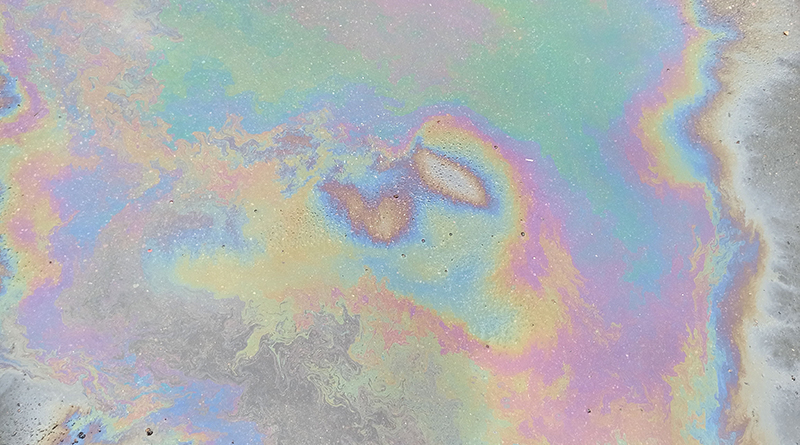
The rainbow-colored sheen that sometimes appears around a damaged vessel may look small compared with the surrounding harbor, but petroleum doesn’t belong in the marine environment.
Oil pollution can affect birds, fish, and shellfish and can foul boats, docks, fishing equipment, and shoreline areas. In confined harbor environments, petroleum can also present a fire hazard.
A sinking vessel can contain more than the fuel in its tanks. Engine spaces may contain lubricating oil and oily bilge water, while boats can also carry batteries, cleaning products, and other substances that become part of the environmental assessment after a casualty.
The federal Oil Pollution Act of 1990 established a framework for preventing and responding to vessel- and facility-related oil pollution in U.S. navigable waters, including provisions addressing liability and cleanup costs.
For boaters, that makes pollution prevention more than an environmental consideration. A spill can become an expensive part of an already costly vessel casualty.
Prevention starts before anything goes wrong
No boater can eliminate the possibility of a fire, collision, grounding, or mechanical failure, but routine maintenance can reduce the likelihood that a manageable problem becomes a sinking or pollution incident.
Owners should regularly inspect fuel lines, hoses, fittings and tanks for deterioration, leaks or corrosion. Bilges deserve attention as well. The presence of unexplained fuel or oil in the bilge can signal a problem that needs to be located and repaired rather than simply pumped away.
The Coast Guard notes that engine-room bilge can contain fuel, lubricating oils, water, and other waste. Federal law prohibits harmful oil discharges into U.S. waters, making proper handling of contaminated bilge water important for boat owners and operators.
Electrical systems are another area worth watching. Connections, wiring, batteries and charging equipment should be maintained appropriately, particularly on vessels that spend long periods unattended in a slip. Through-hull fittings, seacocks, hoses and clamps should also be inspected because a relatively small leak can become much more serious if no one is aboard to notice it.
Boaters should also know approximately how much fuel their vessel carries. That information can become important for firefighters, harbor personnel and pollution responders attempting to determine the potential size of a release.
Keeping absorbent pads or other appropriate spill-response materials aboard can help with minor onboard leaks, although boaters should not put themselves in danger attempting to contain a significant spill or casualty.
If the boat sinks, act quickly
Once a vessel has sunk or is in danger of sinking, the priorities change. People come first. Owners should contact emergency authorities as appropriate and notify the marina or harbor operator immediately.
If oil or fuel has entered the water, reporting it quickly gives responders an opportunity to contain the pollution before wind, current, and vessel traffic has a chance to spread it farther through a harbor or waterway.
Booms and absorbent materials are common sights during these responses. In the recent Huntington Harbour incident, containment boom surrounded the damaged vessel as crews dealt with the reported diesel sheen. In a May 2026 diesel spill response at Ala Wai Harbor in Hawaii, pollution crews deployed sorbent materials and boom to contain and recover fuel.
Owners should not assume that the absence of an obvious sheen means a sunken vessel can simply remain where it is. Responders may still need to determine what’s aboard, whether tanks remain intact and whether changing conditions could result in a later release.
A California example demonstrates how substantial that process can become. After the tug Mazapeta sank in the San Joaquin Delta in 2023 with approximately 1,600 gallons of diesel and engine oil reportedly aboard, a unified command involving the Coast Guard, OSPR and San Joaquin County Sheriff’s Office coordinated petroleum recovery. The response ultimately involved plans to seal and right the vessel, dewater it, and remove petroleum products.
A responsibility that follows the boat
For recreational boaters, environmental preparedness doesn’t need to involve specialized spill-response equipment or technical expertise. Much of it comes down to knowing the boat.
Know the condition of the fuel system. Check the bilge. Maintain electrical equipment. Inspect through-hulls and hoses. Address leaks rather than postponing them. Know what potentially hazardous materials are aboard and where they’re stored. If something does happen, report it promptly and give responders accurate information.
A sinking may happen in minutes. Its consequences can last considerably longer.
The recent responses in Huntington Harbour and the Sacramento-San Joaquin Delta offer two different outcomes. One involved an observed diesel sheen and containment efforts; the other, according to OSPR’s initial report, showed no visible fuel sheen.
For California’s boating community, both carry the same lesson. Keeping a vessel maintained is not only about protecting the boat. When that boat shares its surroundings with neighboring slips, beaches, fish, birds and other marine life, preventing the next spill begins long before anything reaches the water.