From insurance referrals to marina placement and maintenance guidance, many brokers remain valuable resources well beyond the transaction itself.
For many boat buyers, the excitement of closing day often feels like the finish line. Paperwork is signed, keys are handed over, and the vessel officially changes ownership. But within the boating community, experienced yacht brokers say that in many cases, their role is only beginning.
While yacht brokers are commonly associated with buying and selling vessels, many continue assisting clients long after the deal closes, helping owners navigate the often-overlooked logistics of actually operating, maintaining, documenting, and integrating a boat into their lifestyle.
That post-sale support has become increasingly valuable as boats grow more complex and marina space, insurance requirements, and maintenance coordination become more difficult for first-time and even experienced owners to manage alone.
For new boaters especially, ownership often comes with a steep learning curve. Beyond operating the vessel itself, owners quickly find themselves navigating Coast Guard documentation, state registration requirements, insurance policies, haul-out schedules, marina waitlists, service yards, electronics technicians, and local boating regulations.
In many cases, brokers become the first point of contact for helping clients understand those systems.
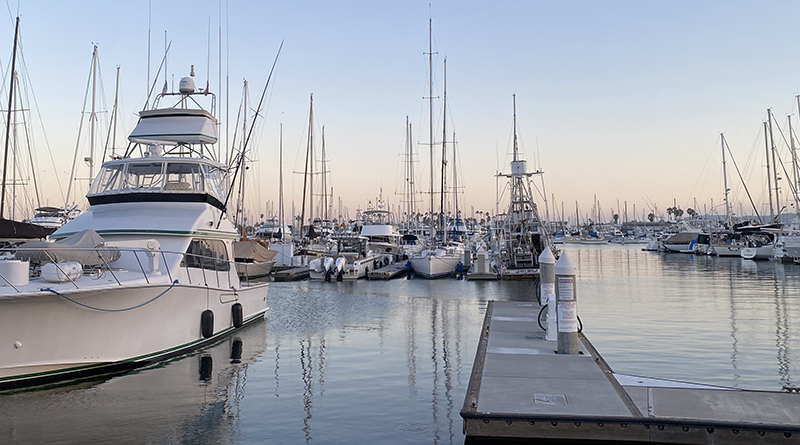
One of the most common areas where brokers continue assisting clients is marina placement. Throughout Southern California, slip availability remains highly competitive in many harbors, particularly in locations such as Newport Beach, Dana Point, Marina del Rey, and San Diego. Brokers with longstanding marina relationships often help clients identify available slips, understand harbor requirements, and connect with marina managers during the transition into ownership.
For buyers relocating vessels from outside the region, those local connections can become especially important.
Insurance guidance is another area where brokers frequently continue supporting owners after closing. Marine insurance policies can vary dramatically depending on vessel age, navigation range, survey condition, operator experience, and onboard equipment. Many buyers are unfamiliar with the differences between agreed value policies, actual cash value coverage, liability limits, salvage provisions, and navigation restrictions.
Brokers often help direct owners toward marine insurance specialists who understand the vessel type and intended use, particularly for offshore fishing boats, cruising yachts, sportfishers, or liveaboard operations.
Documentation and registration assistance also remain a significant part of the process.
Depending on vessel size and financing structure, boats may require Coast Guard documentation, state registration, tax coordination, lien satisfaction, and title verification. For many owners, especially first-time buyers, the amount of paperwork involved can quickly become overwhelming.
Experienced brokers often help coordinate these processes while working alongside documentation services, lenders, and surveyors to keep transactions moving smoothly even after contracts are finalized.
Beyond logistics, many brokers also serve as connectors within the broader boating industry.
Boat ownership rarely operates in isolation. Owners eventually need mechanics, divers, detailers, canvas shops, electronics installers, bottom painters, captains, fishing equipment specialists, and haul-out facilities. Brokers with established industry networks often become valuable resources for helping owners identify reputable local service providers.
That relationship can be particularly important for out-of-area buyers purchasing boats in Southern California.
An owner relocating a vessel from Florida, the Pacific Northwest, or the East Coast may be entirely unfamiliar with local boating conditions, harbor systems, maintenance schedules, or service availability. Brokers frequently help bridge that gap by introducing clients to local marine professionals and explaining regional boating considerations, from Catalina crossings to offshore fishing operations.
For some brokers, the relationship evolves into long-term ownership guidance.
As vessels age, owners may seek recommendations on upgrades, resale timing, repowers, electronics modernization, or market conditions. Brokers often remain involved as advisors years after the original sale, helping owners evaluate changes that affect both usability and future resale value.
This ongoing support has become increasingly important as modern boats incorporate more advanced systems and technology.
Integrated electronics, joystick controls, lithium battery systems, gyro stabilizers, monitoring networks, and high-end navigation equipment have dramatically increased vessel complexity compared to previous decades. Owners often rely on experienced brokers to help connect them with qualified specialists capable of servicing those systems correctly.
At the same time, boating itself has become more experience-driven.
For many buyers, purchasing a vessel is less about acquiring an object and more about entering a lifestyle. That transition involves understanding destinations, fuel planning, harbor etiquette, fishing regulations, anchorage strategies, and regional boating culture. Brokers who actively participate in the boating community themselves often help new owners become more comfortable and confident on the water.
In Southern California’s tight-knit boating industry, those relationships frequently continue for years.
Repeat clients, referrals, and long-term friendships remain common throughout the brokerage community, particularly among owners who upgrade vessels over time or move between different styles of boating.
Ultimately, many brokers say the sale itself represents only one part of the larger relationship.
The real value often comes afterward, when new owners begin learning how to operate, maintain, store, and enjoy their vessels successfully.
And in an industry where boating knowledge, trusted service connections, and local experience matter as much as the vessel itself, that ongoing support can become one of the most valuable parts of the transaction.