For many Southern California boaters, Catalina Island is a familiar destination. It’s a place to spend weekends on a mooring, explore secluded coves, hike scenic trails, dive kelp forests and create family traditions that span generations.
But behind much of the island that visitors experience is an organization working year-round to preserve and protect Catalina’s most precious natural wonders.

Since its founding in 1972, the Catalina Island Conservancy has served as the steward of approximately 88 percent of Santa Catalina Island, managing more than 48,000 acres of land, miles of coastline, and a network of recreational opportunities enjoyed by residents and visitors alike.
Its responsibilities extend far beyond maintaining trails or protecting wildlife. The Conservancy oversees habitat restoration, scientific research, wildfire preparedness, endangered species protection, public access, educational programs and the long-term stewardship of one of California’s most recognizable island destinations.
Looking back over the organization’s history, Pepe Barton, director of communications for the Catalina Island Conservancy, said few places in Southern California can make the same claim as Catalina.
“Few places in Southern California can honestly say they’re in better shape today than they were 50 years ago,” Barton points out. “Catalina can, and that’s the promise the Conservancy was created to keep.”
Among the Conservancy’s most significant accomplishments, Barton pointed to the recovery of the Catalina Island fox, whose population rebounded from fewer than 100 animals to roughly 2,000 today, making it one of the fastest recoveries of an endangered species on record. He also highlighted the return of bald eagles to Catalina after decades of absence caused by DDT contamination, as well as the creation of the Trans-Catalina Trail, the development of island campgrounds and the opening of the Trailhead Visitor Center in Avalon.
“Our founding documents were clear: protect Catalina’s native plants and wildlife in perpetuity,” Barton said. “Fifty years later, the Conservancy is living up to that responsibility.”
For boaters who make the crossing each year, much of the Catalina they enjoy today — from its backcountry trail system to its native landscapes and outdoor recreation opportunities — has been shaped by decades of conservation work.
According to the Conservancy, its mission is to balance public access with environmental stewardship while protecting the island’s unique plants, wildlife and cultural resources for future generations.
The island itself has also changed dramatically through those efforts. More than 60 species of plants, insects and animals found nowhere else on Earth call Catalina home, making habitat protection a continual priority.
“Over five decades the Conservancy has removed invasive species, propagated endemic plants through its native plant nursery and restored habitat across the interior, while simultaneously expanding public access through trails, Conservancy Eco Tours and new features at the Wrigley Memorial & Botanic Garden,” Barton said.
He added that the results are visible across the island.
“The Island is healthier and more accessible than it was in 1972. Wildlife that was once in crisis is thriving, and hundreds of thousands of people now experience the wildlands every year.”
Today, the organization continues to oversee a wide variety of projects aimed at restoring native habitats, monitoring wildlife populations, improving wildfire resilience and expanding scientific understanding of Catalina’s ecosystems.
Those efforts have become increasingly important as the island faces modern challenges including climate change, invasive species, prolonged drought, increasing visitor use and the need to preserve sensitive habitats while continuing to welcome the hundreds of thousands of people who visit each year.
Among those challenges, Barton said one stands above the rest.

“Wildfire is the threat that keeps us up at night. An island community has no margin for error, so everything the Conservancy does, from restoring more fire-resilient native habitat to protecting freshwater, is ultimately about protecting the people, native wildlife and way of life that make Catalina what it is.”
To address those concerns, the Conservancy has launched Operation Protect Catalina Island, a long-term initiative focused on reducing wildfire risk, restoring native landscapes, protecting limited freshwater resources and improving habitat for native species.
“Recent fires in Los Angeles and on other Channel Islands have underscored the urgency for an island community with limited evacuation routes and no immediate access to mainland resources,” Barton said.
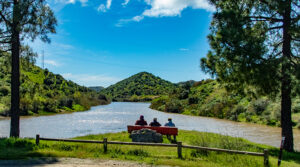
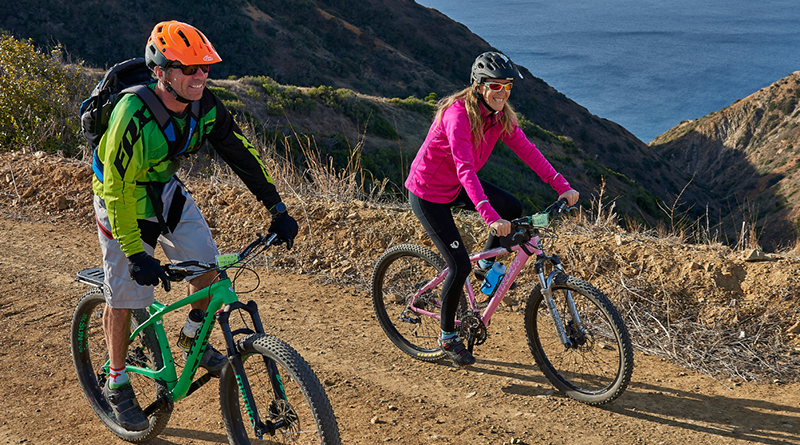
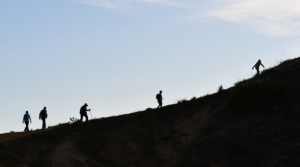
At the same time, the Conservancy works to ensure that recreation remains a central part of the Catalina experience. Boating, hiking, camping, cycling, wildlife viewing and eco-tourism all depend on carefully balancing public access with long-term conservation.
Barton believes the two go hand in hand.
“Recreation done right funds and inspires conservation, and conservation done right makes recreation worth the trip.”
That philosophy has guided the Conservancy since its founding.
“The Conservancy’s founding mission is a balance of conservation, education and recreation,” Barton said. “It maintains more than 200 miles of roads and trails, operates and oversees campgrounds including those along the coastline, offers free hiking and biking permits and runs Conservancy Eco Tours into the interior, all without state or federal park funding.”
As Catalina continues to evolve, so too does the role of the Conservancy. The organization says its work is no longer focused solely on protecting the island as it exists today, but on preparing it for the decades ahead through restoration, scientific research and thoughtful land management.
Barton said conservation is measured over generations rather than years.

“Conservation is almost always on a long-term timeline. The decisions being made today are for a child who will step off a boat in Avalon 20 years from now and find an island more alive than the one their grandparents knew.”
He said the Conservancy envisions an island that becomes more resilient with each passing decade, with native plants returning to hillsides, Catalina serving as a national model for balancing a thriving island community with conservation and, ultimately, creating “an ecosystem healthier than any living generation has known.”
For the boating community, Barton hopes visitors recognize that the Catalina they enjoy is the result of decades of intentional stewardship.
“Catalina is wild by choice, not by accident. The open ridgelines you see from the Channel and the coves that you visit, exist because generations of people decided to protect them, and because a nonprofit protects those 42,000 acres every single day.”
He noted that memberships, donations and recreation-related revenue all help make that work possible.
“Memberships, donations and earned revenue from recreation are what keep the wildlands healthy and open to all. That means every visitor is helping protect this amazing Island.”