image 1 (1)

Blue Waters Boating Festival Celebrates Boating and Ocean Stewardship

The Bay Foundation will bring boaters, marine experts and community organizations together Oct. 3, 2026, at Burton Chace Park for a free festival focused on enjoying Santa Monica Bay while helping protect the waters that make Southern California boating possible.


For Southern California boaters, protecting the ocean doesn’t have to begin with a research vessel, scientific diving operation or major restoration project. Sometimes it can start at the fuel dock, at the washdown hose or with a better understanding of what’s happening beneath the boat.

That connection between recreation and responsibility will be at the center of The Bay Foundation’s Blue Waters: Santa Monica Bay Boating Festival, scheduled for Saturday, Oct. 3, from 10 a.m. to 1 p.m. at Burton Chace Park in Marina del Rey.

The free event will bring together boaters, families, marine experts and local organizations for a morning focused on Santa Monica Bay and the role those who use its waters can play in protecting them. The festival will include clean-boating resources and giveaways, activities for younger visitors, information from organizations working to safeguard the ocean and an expert panel discussing innovative and environmentally friendly boating solutions.

Claire Combredet, environmental engagement program coordinator at The Bay Foundation, said the festival was created around the idea that an informed boating community can have a meaningful impact on the health of local waters.

“The Bay Foundation’s Blue Waters: Santa Monica Bay Boating Festival is inspired to foster a knowledgeable and empowered community of boaters committed to pollution prevention, resulting in cleaner waterways and healthier marine ecosystems,” Combredet said.

The goal, she said, is to give Marina del Rey boaters direct access to the organizations, information and practical resources that can help them become more active stewards of the waters they already use.

“The primary goal of our festival is to engage Marina del Rey in clean boating stewardship by mobilizing outreach, resources, and connections to a variety of leaders making a difference in safeguarding the waterways,” Combredet said. “As the largest man-made harbor nationwide, Marina del Rey’s boating communities can play a significant role as ocean stewards.”

That effort will bring a range of organizations and agencies to Burton Chace Park. Combredet said participating exhibitors are expected to include the U.S. Coast Guard Auxiliary, Sirius Signal, Los Angeles County Supervisor Holly Mitchell’s office, Oceana, Sail to Shelter and Heal the Bay, among others.

There also will be eco-friendly arts and crafts for children, giveaways and opportunities for visitors to learn about pollution prevention and ways to become involved in stewardship of the local watershed.

“There will truly be something for everyone,” Combredet said. “Attendees can expect an array of pollution prevention resources, insights, opportunities to partake in the stewardship of the local watershed, and ultimately, a deeper connection to our beautiful coast.”

For boaters accustomed to thinking about environmental stewardship primarily in terms of regulations, the festival offers an opportunity to approach the subject from a more practical perspective. Fueling practices, sewage disposal, cleaning products, hazardous waste, marine debris and routine vessel maintenance can all affect the water surrounding a boat.

Those individual choices become particularly relevant in a state with a large recreational boating population.

“There are over 4 million boaters in California, one of the highest numbers of recreational boaters in the U.S.,” Combredet said. “Considering both the state and a region as populous as Marina del Rey Harbor, individual boating habits matter and can add up.”

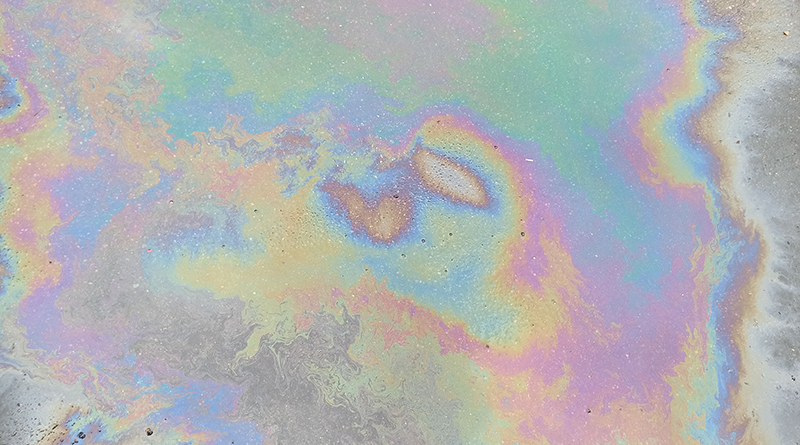
Combredet said oil, sewage, hazardous waste, toxic cleaning products and marine debris are among the boat-related pollutants that can directly affect water quality. Because recreational boaters spend so much time on and around the water, she said they also are in a position to help protect it.

“Boaters are uniquely positioned to be advocates and stewards for the local waterways they enjoy recreating on,” Combredet said. “By practicing environmentally responsible behaviors, we can help safeguard Santa Monica Bay for generations to come.”

The festival is supported by the California State Coastal Conservancy and is intended not only for experienced boaters, but also for families, people interested in the coastline and those simply curious about the waters off Los Angeles County.

That makes Marina del Rey an appropriate setting. Recreational boating is one of the many uses supported by the coastal ocean off Los Angeles, alongside fishing, diving and other activities. Beneath those recreational waters are rocky reefs, sandy plains, submarine canyons, kelp forests and seagrass habitats supporting a wide range of marine species.

The Bay Foundation has been working within that environment since 1990. The nonprofit focuses on restoring and enhancing Santa Monica Bay through ecosystem restoration, coastal resilience, scientific research and community stewardship. Its work extends from beaches and wetlands to underwater habitats that recreational boaters and anglers may pass over without ever seeing.

For anglers in particular, one of The Bay Foundation’s most relevant efforts has been its kelp forest restoration work.

Southern California’s kelp forests provide food and habitat for hundreds of marine species, including kelp bass, California spiny lobster and abalone. Many species associated with kelp forests also support California’s recreational and commercial fisheries, giving healthy kelp habitat a direct connection to the fishing community.

The Bay Foundation reports that it has restored more than 80 acres of kelp forest, primarily through work off the Palos Verdes Peninsula. The effort addresses areas where high densities of purple sea urchins have transformed reefs into urchin barrens, where heavy grazing can prevent kelp from becoming reestablished.

Restoration teams reduce excessive urchin densities in targeted areas, allowing kelp an opportunity to return naturally. According to The Bay Foundation, monitoring at restoration sites has documented increases in kelp, invertebrate diversity and overall fish diversity and biomass, including increases in recreationally targeted finfish.

For an angler looking across a kelp line from the deck of a boat, those results put habitat restoration into familiar terms. Healthy habitat provides places for baitfish to shelter, predators to feed and numerous species to reproduce and grow.

Another piece of the organization’s underwater work involves a species with deep ties to California’s coastal and fishing history: abalone.

Seven species of abalone have historically occurred in Southern California, but populations declined substantially because of a combination of past overharvesting, disease, habitat loss and other environmental pressures. The Bay Foundation has been working since 2010 as part of broader recovery efforts to return abalone to Southern California’s rocky reefs.

In 2025, The Bay Foundation reported releasing 3,096 white abalone and 10,218 red abalone into the wild. The work is particularly important for federally endangered white abalone, which are the subject of a larger statewide recovery effort.

While projects such as kelp and abalone restoration illustrate the larger work happening beneath Southern California waters, the Blue Waters festival brings the conversation back aboard the recreational boats using them.

One of the primary opportunities to do that will come through the festival’s clean-boating panel. Combredet said representatives from statewide agencies, marina management, nonprofit organizations and the marine industry will participate.

“We are excited to bring together diverse representatives from statewide agencies such as the California Coastal Commission and California State Parks, local marina managers, non-profit leaders, and marine eco-industry leaders,” Combredet said.

The discussion will focus on practical ways boaters can participate in environmental conservation, including a closer look at marine composting toilets as an alternative approach to traditional onboard sewage management.

“The panel will empower attendees with the knowledge and resources they can implement readily, as well as an opportunity to ask questions,” Combredet said.

That practical emphasis is an important part of the festival’s message. A recreational boater may never participate in an abalone release or spend hours underwater restoring a kelp forest, but nearly everyone who operates a vessel makes decisions that can affect the marine environment.

For Southern California’s boating community, environmental stewardship and boating do not have to be opposing ideas. People who spend weekends fishing, sailing, cruising or simply sitting at anchor have a direct stake in healthy coastal waters.

Clean water matters when someone launches a boat. Healthy bait and fish populations matter when an angler leaves the harbor. Kelp forests matter when fishermen search for structure and habitat. Beaches and shorelines matter when boaters look for places to visit. Water quality matters when families swim from the stern.

In that sense, protecting Santa Monica Bay is not separate from enjoying it.

The Blue Waters festival also arrives at a time when boaters are navigating changes in technology, environmental regulations and expectations surrounding vessel operation. More efficient marine systems, alternative propulsion, environmentally preferable maintenance products and pollution-prevention practices are increasingly part of conversations about the future of recreational boating.

An event built around education provides an opportunity to ask questions about those changes without requiring boaters to arrive as experts.

It also gives The Bay Foundation an opportunity to connect its less-visible scientific work with the people who regularly use the waters the organization is working to restore. A boater leaving Marina del Rey may not see an abalone tucked beneath a rocky reef or understand why one patch of kelp has returned while another has disappeared, but those underwater changes are part of the same Santa Monica Bay experienced from the helm.

Combredet said the ultimate goal is for visitors to leave Burton Chace Park understanding that clean-boating practices are something they can incorporate into their own time on the water and share with others.

“When attendees leave the festival, we hope they feel inspired and empowered to implement clean boating strategies on their own vessel and share them amongst their community,” Combredet said. “Ultimately, we aspire for all attendees to be celebrated and supported in their stewardship at sea, so that we all feel the ripple effect throughout the LA boating community and in the health of the marine ecosystems.”

That is what makes the Oct. 3 festival relevant beyond a single morning at Burton Chace Park. It is an invitation for boaters to better understand the body of water they already consider their backyard and learn how everyday decisions aboard their vessels can contribute to its future.

Blue Waters: Santa Monica Bay Boating Festival will take place Saturday, Oct. 3, from 10 a.m. to 1 p.m. at Burton Chace Park, 13500 Mindanao Way in Marina del Rey. Admission is free. Attendees can expect clean-boating resources and giveaways, youth activities, an expert panel on environmentally friendly boating solutions and opportunities to connect with local organizations working to protect Santa Monica Bay.

Leave a Reply