



From hoop nets and charter trips to nighttime diving, Southern California’s recreational lobster season offers several ways to pursue the prized crustacean. But strict size, gear, and reporting rules apply.
Southern California’s fall fishing calendar is filled with offshore opportunities, but when the sun goes down this Oct. 2, another highly anticipated fishery will officially get underway.
The 2026-27 recreational California spiny lobster season opens at 6:00 p.m. on Friday, Oct. 2, 2026, giving boaters, hoop-netters, and divers another reason to spend an evening on the water. The season will remain open through March 17, 2027, closing at 11:59:59 p.m., according to the California Department of Fish and Wildlife.
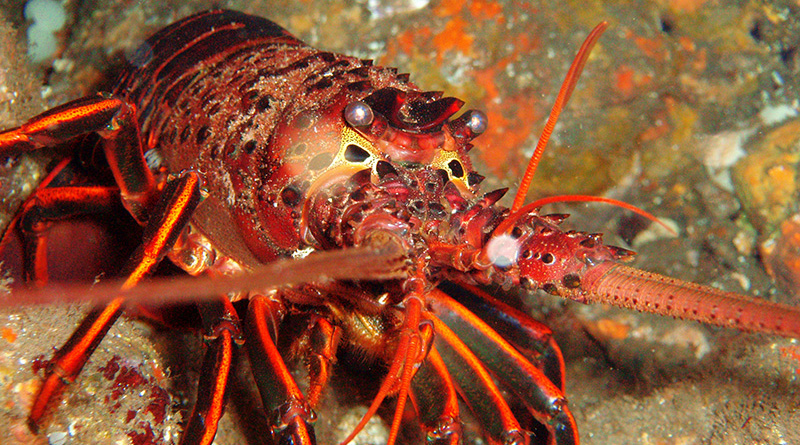
California spiny lobster, Panulirus interruptus, can be found along rocky reefs, structure and kelp habitat throughout Southern California and around the Channel Islands. Unlike lobsters associated with the East Coast, California’s spiny lobster doesn’t have large claws. Instead, anglers encounter an armored crustacean equipped with a hard shell, prominent spines and long antennae.
For Southern California boaters who’ve never participated in the fishery, lobster season doesn’t necessarily require becoming an expert overnight. Anglers can pursue lobster recreationally using hoop nets from private boats, and some Southern California sportfishing operators offer dedicated lobster trips during the season.
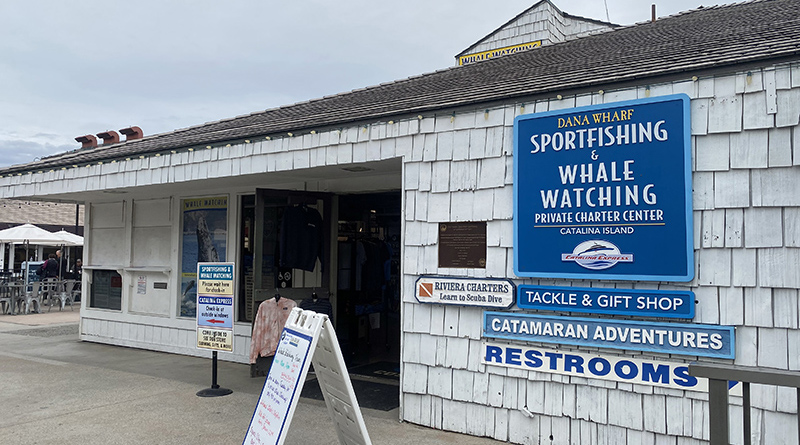
Dana Wharf Sportfishing & Whale Watching in Dana Point, for example, offered lobster trips during the 2025-26 season, which provided a way for anglers to experience the fishery without operating their own boat. Availability and schedules can vary by season, so anglers interested in charter or open-party lobster trips should check with individual landings as the opener approaches.
Whether fishing from a private boat or aboard a sport boat, however, California’s lobster regulations apply.
The recreational daily bag and possession limit is seven spiny lobsters per person. Each lobster must have a carapace measuring at least 3¼ inches. The measurement is taken in a straight line along the midline of the back from the rear edge of the eye socket to the rear edge of the body shell.
A lobster gauge capable of accurately measuring the minimum legal size is therefore an essential piece of equipment. California Department of Fish and Wildlife (CDFW) regulations require anyone taking lobster to carry a measuring device, and lobster must be measured immediately after being taken. Any undersized lobster must be returned to the water immediately.
Recreational lobster fishermen also must possess a valid California sport fishing license when required and a CDFW Spiny Lobster Report Card. An Ocean Enhancement Validation is generally required when fishing in ocean waters south of Point Arguello, subject to California’s licensing exemptions.
The report card requirement applies to anyone fishing for or taking spiny lobster, including people who ultimately catch nothing. Before fishing, anglers must record the required location, date and gear information, and the report card must be kept in their possession while pursuing lobster.
Gear rules are equally important.
Recreational fishermen may take spiny lobster using hoop nets or by hand while diving. Lobster may not be taken with devices that could puncture, crush or otherwise injure the animal.
For hoop-netters, California regulates both the number and design of nets that can be used. An individual may generally use no more than five hoop nets, and no more than 10 hoop nets may be possessed aboard a vessel, regardless of the number of people onboard. Additional restrictions apply when hoop nets are used from shore, piers and other structures, and CDFW has specific requirements governing hoop-net construction and marking.
Those rules make preparation before opening night particularly important. Anglers should inspect nets, lines, floats and required identification before leaving the dock rather than discovering a problem once gear is already in the water.
Hoop netting is only one way to participate.
For divers, lobster season turns Southern California’s rocky reefs and kelp areas into nighttime hunting grounds. Freedivers and scuba divers may take lobster by hand, providing a completely different experience from waiting for a hoop net to produce.
Diving for lobster requires considerably more than simply spotting one beneath a ledge. Divers need to safely manage nighttime conditions, surge, currents, kelp, limited visibility, boat traffic, and changing sea conditions while searching rocky habitat. Lobsters also have a habit of backing quickly into cracks and holes when approached.
A good dive light and backup light are basic considerations, along with appropriate exposure protection and the equipment normally required for the type of diving being conducted. Divers also need their lobster gauge readily accessible because the same minimum-size requirement applies underwater.
Whether diving or hoop netting, knowing where fishing is legal is just as important as knowing how to catch one.
Southern California contains an extensive network of marine protected areas, including locations where the take of lobster and other marine life is prohibited or restricted. Regulations can differ from one area to another, particularly around the Channel Islands and stretches of the mainland coast. Boaters and divers should check current MPA boundaries before setting nets or entering the water rather than assuming an otherwise productive piece of habitat is open to lobster take.
The opening weekend also brings an important practical consideration: crowds.
Popular lobster grounds can attract significant nighttime boat traffic, particularly during the opening weekend. Vessel operators should maintain a proper lookout, display required navigation lights, and approach floats and other boats cautiously. Divers should take additional precautions to remain visible to vessel traffic and follow applicable dive-flag requirements.
The fishery can also provide a different kind of Southern California boating trip. Instead of running offshore in search of tuna or yellowtail, lobster fishing often means staying relatively close to coastal structure, setting hoop nets and working a series of locations after dark.
That doesn’t make it an easy fishery. Productive lobster hunting involves understanding habitat, current, depth and how the animals move after dark. Rocky reefs, ledges and structure can provide likely areas, while anglers must also consider how current will affect their nets and where their gear will sit in relation to other vessels.
Perhaps the most important habit is also the simplest: measure every questionable lobster.
A lobster that looks legal in the dark may not measure 3¼ inches when a gauge is placed across the carapace. The legal measurement, not an angler’s estimate, determines whether the lobster can go into the bag.
Anglers should also review the current regulations immediately before fishing. Seasonal dates, gear restrictions, marine protected areas, report-card requirements and other rules can change, and CDFW’s regulations should be considered the final authority.
For those who’ve spent the summer chasing Southern California’s unusually diverse mix of game fish, the Oct. 2nd opener provides another way to hunt local waters.
This time, however, the target isn’t beneath a kelp paddy or crashing bait on the surface. It may be scuttling across the bottom after dark, hiding beneath a rocky ledge, or finding its way into a hoop net.
And whether the plan involves a private boat, a sportfishing trip, scuba gear, or a just a pair of fins and a dive light, the same rule applies before dinner goes into the bag: get out the gauge and make sure it measures.