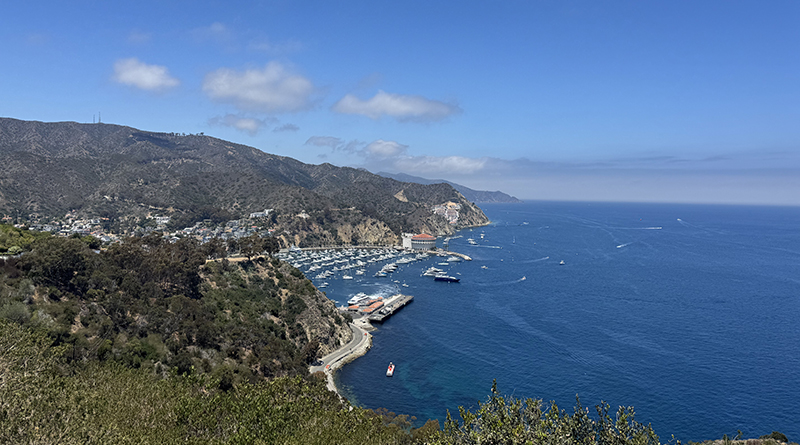
Santa Catalina Island is home to approximately 4,000 residents, over 60 endemic species, and more than one million visitors each year. Managing the Island’s wildlands and protecting its unique ecosystems is the responsibility of the Catalina Island Conservancy, the nonprofit that oversees nearly 90 percent of Catalina’s 48,000 acres.
Since its founding in 1972, the Catalina Island Conservancy has been dedicated to a mission that strikes a crucial balance: conservation, education, and recreation. Their vision is straightforward yet vital — to ensure a beautifully functioning Island ecosystem for all to enjoy, now and for generations to come.
Home to around 4,000 year-round residents and more than 60 species of plants and animals found nowhere else on Earth, Catalina Island represents one of Southern California’s most ecologically unique and fragile environments. The Conservancy’s stewardship is central to maintaining that delicate balance, protecting habitats, restoring vulnerable species, and providing opportunities for both locals and visitors to connect with nature.
The scale of the Conservancy’s work is vast. Their management extends to 62 miles of the Island’s unspoiled coastline — the longest publicly accessible stretch of undeveloped shoreline in Southern California. In addition, they maintain nearly 165 miles of recreational roads and trails that give hikers, bikers, campers, and nature enthusiasts access to the Island’s wildlands. But with that access comes responsibility, and the Conservancy is equally focused on educating visitors about the importance of responsible recreation and environmental stewardship.
Recreational activities abound under the Conservancy’s careful management. Catalina is famous for its rugged backcountry camping, with notable locations like Black Jack Campground, Little Harbor Campground, and Parsons Landing Campground offering some of the most scenic and remote camping experiences in Southern California. For those arriving by boat, the northeast shore of the Island offers 17 primitive boat-in campsites at nine different locations, perfect for self-sufficient campers seeking seclusion along the Pacific coast.
The Conservancy also oversees one of the Island’s most iconic features — the Trans-Catalina Trail. Spanning nearly 39 miles, this challenging backcountry trek stretches from Avalon to Two Harbors, wending through some of the Island’s most breathtaking terrain. Along the way, hikers often encounter Catalina’s famous bison, Island foxes, and, for the fortunate, bald eagles soaring overhead.
Adventurers can also experience the Island’s interior via off-road Eco Tours or by visiting the Airport in the Sky, perched 1,602 feet above sea level. This remote airport, which also features the popular Airport in the Sky Restaurant, serves as a jumping-off point for hikers and bikers venturing into the wildlands.
But the Conservancy’s role extends far beyond recreation. At its core, the organization is a leader in ecological research and restoration. The Catalina Island Restoration Project is a prime example of this commitment, focused on regenerating the Island’s natural habitats, mitigating erosion, and reducing the risk of wildfire. The ultimate goal is to create a resilient, self-sustaining ecosystem where native species can thrive, and endangered plants and animals are safeguarded for the future.
The Island’s biodiversity is remarkable, with its Mediterranean climate providing habitat for an array of rare species. The Catalina Island fox, once on the brink of extinction, is just one success story in the Conservancy’s ongoing conservation efforts. Through habitat restoration, predator management, and scientific research, the organization has been instrumental in bringing this beloved species back from the edge.
Education is another pillar of the Conservancy’s work. Their Education Department offers dynamic, hands-on programs designed to immerse learners of all ages in the science and culture of Catalina Island. Public programming, K-12 education initiatives, and virtual resources allow people to deepen their understanding of the Island’s ecosystems and the challenges they face. These efforts are designed not only to foster appreciation for biodiversity but also to build a community of environmental stewards equipped to protect Catalina’s natural resources.
For many visitors, the journey with the Conservancy begins at The Trailhead, the organization’s visitor center located at 708 Crescent Avenue in Avalon. This 9,000-square-foot, three-story facility serves as the gateway to the Island’s open spaces, offering permits, trail maps, information on flora, fauna, and history, and even guided Eco Tours. For newcomers and returning visitors alike, The Trailhead provides the tools to explore Catalina responsibly while deepening their connection to the Island’s wild side.
All of this work is supported by the Catalina Island Conservancy’s status as a 501(c)(3) nonprofit public charity. Through memberships, donations, and partnerships with other conservation organizations, the Conservancy continues to invest in preserving Catalina’s natural beauty while ensuring that the Island remains accessible to those who wish to explore it.
For boaters, outdoor enthusiasts, and anyone with an appreciation for California’s coastal ecosystems, Catalina Island offers more than just a scenic escape — it’s a rare opportunity to experience protected wilderness just a short distance from the mainland. Thanks to the Catalina Island Conservancy, that experience is not only possible but sustainable.
As the pressures of population growth and environmental challenges increase across Southern California, the work of the Conservancy serves as a reminder that conservation and recreation can go hand in hand — when managed with care, collaboration, and a deep respect for the natural world.
From hiking and biking to boat-in camping and education programs, the Catalina Island Conservancy’s efforts ensure that the Island’s wildlands remain a place of discovery, reflection, and adventure for generations to come.
For more information on the Conservancy’s work, upcoming programs, and how to get involved, visit catalinaconservancy.org.