




Officials Urge Boaters to Be Prepared and Report Sheens Immediately
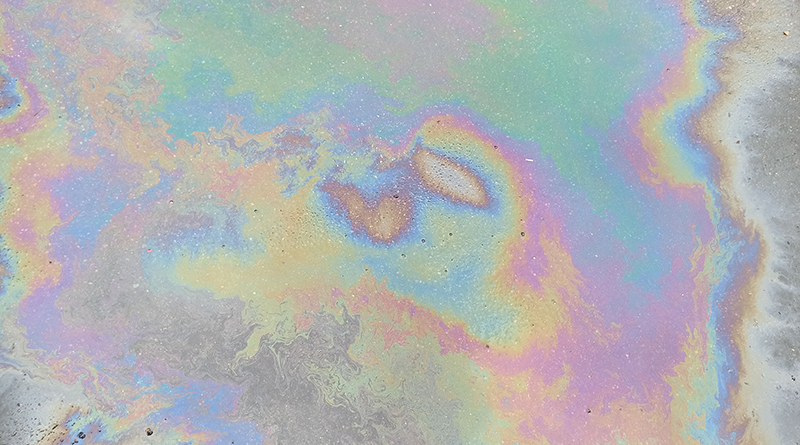
A diesel fuel spill from a 40-foot recreational vessel docked in Newport Harbor was contained on the morning of Sunday, August 3, 2025, following reports of an oil sheen in the water the previous evening. According to the Orange County Sheriff’s Department, the leak went undetected through the night until daylight allowed responders to trace the fuel trail by air. The vessel was located dockside near Balboa Island, across the channel from the Balboa Yacht Club.
The California Office of Emergency Services (Cal OES) reported the spill as covering an area approximately 100 yards by 100 yards — roughly 90,000 square feet. While the exact amount of diesel released is unknown, boats of this size typically carry up to 250 gallons of fuel. A malfunctioning fuel pressure valve caused the overflow, and the boat’s owner was reportedly unaware of the leak until authorities intervened. No injuries or wildlife impacts were reported, and nearby beaches remained open.
Crews deployed oil-containment booms around the vessel to limit the spread of fuel. Booms are a standard first response in maritime spill containment and are critical for protecting harbors and nearby ecosystems. These floating barriers work by encircling the slick on the water’s surface. Their construction includes a buoyant top, a weighted skirt that hangs below the waterline to trap oil, and stabilizing components to maintain position in varying conditions.
There are several types of booms used depending on the situation. Containment booms are the most common and serve to corral oil into one area for collection. Deflection booms are positioned to steer oil away from sensitive areas like wetlands or marinas. Sorbent booms, made of absorbent materials, float on the surface and soak up oil directly. In harbor settings like Newport, response teams quickly deploy a combination of these tools to minimize the spill’s reach.
Cleanup procedures typically involve vacuum pumps, absorbent pads, and manual recovery. According to the Environmental Protection Agency, a single gallon of oil can contaminate one million gallons of drinking water, underscoring the importance of rapid response.
While the Newport Harbor incident was resolved quickly, the case serves as a reminder that all fuel spills, regardless of size, are serious and must be reported. If a sheen is visible on the water’s surface, boaters are legally required to notify authorities. The first step is to stop the source of the spill if it’s safe to do so. Then, notify the marina for assistance and call both the National Response Center (1-800-424-8802) and the California Office of Emergency Services (1-800-OILS911).
If the leak involves diesel or oil, the use of absorbent pads and booms is encouraged, but gasoline spills should never be contained due to their flammability. In California, saturated absorbents are considered hazardous waste and must be disposed of at designated marina stations or county household hazardous waste facilities. It’s also illegal to use soaps or detergents to disperse oil; doing so worsens environmental damage and renders absorbents ineffective.
Maritime law holds vessel owners financially responsible for cleanup costs, as was the case in the Newport Harbor spill. With increasing recreational boat traffic along Southern California’s coast, proper maintenance, onboard spill kits, and environmental awareness are more essential than ever.