A recent feature reported by Bloomberg highlights a growing shift in healthcare known as “social prescribing,” where doctors are beginning to recommend connection-driven activities — such as group outings, time outdoors, and community engagement — as a way to improve overall health. While the concept may feel new in clinical settings, it is one that resonates deeply within the boating and fishing communities, where time on the water has long been associated with both physical and mental well-being.
Across Southern California, boaters, anglers, and harbor communities have been practicing what medicine is only now beginning to formalize. A day spent offshore chasing fish, cruising between harbors, or simply anchoring with friends is often described as restorative, offering a sense of clarity that is difficult to replicate on land. What social prescribing suggests is that these experiences are not just enjoyable — they may be essential.
At its core, social prescribing recognizes that isolation, stress, and lack of meaningful connection can have measurable impacts on health. Instead of relying solely on medication, healthcare providers are beginning to encourage patients to engage in activities that foster interaction, purpose, and time outside. For those familiar with life on the water, this approach feels intuitive. Boating naturally brings people together, whether through shared dock space, fishing trips, yacht clubs, or casual conversations on the docks.
In many ways, marinas function as built-in communities. Boaters check in on one another, exchange information about conditions and fishing reports, and often form lasting friendships rooted in a shared lifestyle. Unlike more structured environments, these interactions tend to happen organically, creating a sense of belonging without effort. That sense of connection is precisely what social prescribing aims to replicate in a broader healthcare context.
Time on the water also introduces an important environmental component that supports well-being. Studies have long suggested that exposure to natural settings — often referred to as “blue space” in coastal environments — can reduce stress, improve mood, and even enhance cognitive function. For Southern California boaters, this is part of the everyday experience. The rhythm of the ocean, the movement of the vessel, and the focus required to navigate conditions all contribute to a mental reset that many describe as therapeutic.
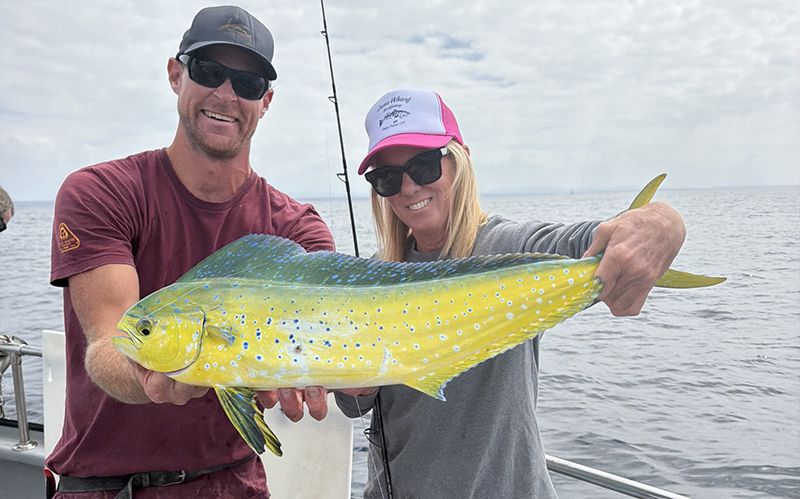
Fishing, in particular, reflects a balance of patience, skill, and reward that aligns closely with these principles. Anglers often speak about the quiet moments between bites as much as the catch itself, noting that the act of being present on the water can be just as valuable as the outcome. For some, it becomes a form of mindfulness — an opportunity to disconnect from daily pressures and engage fully with the environment.
Beyond individual benefits, the boating lifestyle also reinforces a sense of shared purpose. Whether participating in tournaments, conservation efforts, or community events, boaters are often engaged in activities that extend beyond personal enjoyment. This aligns with another key element of social prescribing: the idea that contributing to something larger than oneself can improve both mental and emotional health.
Even simple routines, such as maintaining a vessel, preparing for a trip, or planning a route between harbors, introduce structure and intention. These elements can be particularly valuable for individuals seeking consistency and engagement in their daily lives. In a healthcare context, these types of activities are increasingly recognized as meaningful forms of participation that support overall well-being.
Southern California’s coastal network offers an ideal setting for this lifestyle. From Dana Point to Marina del Rey to San Diego Bay, the ability to travel from slip to slip creates opportunities for exploration and connection that extend beyond a single location. Boaters can leave a familiar harbor and arrive in a new one within hours, expanding their social and environmental experiences without leaving the water.
This mobility also encourages interaction with different communities, each with its own culture and rhythm. Whether it’s a quiet anchorage near Catalina Island or a busy weekend at a harbor restaurant, these transitions reinforce the idea that boating is not just about the vessel itself, but about the experiences it enables.
For newer boaters or those considering entering the lifestyle, this perspective offers an additional layer of value. Beyond recreation, boating becomes a pathway to improved well-being — an investment not only in leisure, but in long-term health. As awareness of social prescribing continues to grow, activities that combine physical movement, social interaction, and time in nature are likely to become increasingly recognized as essential components of a balanced lifestyle.
For the maritime community, this recognition simply validates what many have known for years. The draw to the water is not just about escape, but about connection — to others, to the environment, and to a slower, more intentional pace of life.
As healthcare continues to evolve, the idea that a day on the water can be as beneficial as more traditional forms of treatment is gaining traction. For Southern California boaters, it’s a reminder that the lifestyle they’ve chosen offers more than just recreation. It provides a foundation for well-being that is as natural as the tide itself.