How four historic landings continue shaping Southern California’s offshore fishing culture.
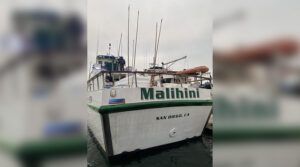
San Diego’s reputation as one of the premier sportfishing destinations on the West Coast did not happen by accident. Long before modern electronics, satellite sea surface temperature charts, and online fish reports transformed how anglers prepare for offshore trips, San Diego’s waterfront was already building a culture centered around access to the ocean, dependable fleets, and generations of captains willing to push farther offshore in pursuit of opportunity.
Today, that culture remains deeply visible at the city’s sportfishing landings.
Stretching across Point Loma and Mission Bay, San Diego’s major landings continue functioning as much more than departure points for anglers. They operate as gateways into Southern California’s recreational fishing industry, bringing together charter fleets, bait operations, tackle services, marine infrastructure, and communities of anglers ranging from first-time passengers to highly experienced offshore fishermen.
Although visitors often think of San Diego sportfishing as one destination, each landing has developed its own identity and specialization over decades of operation.
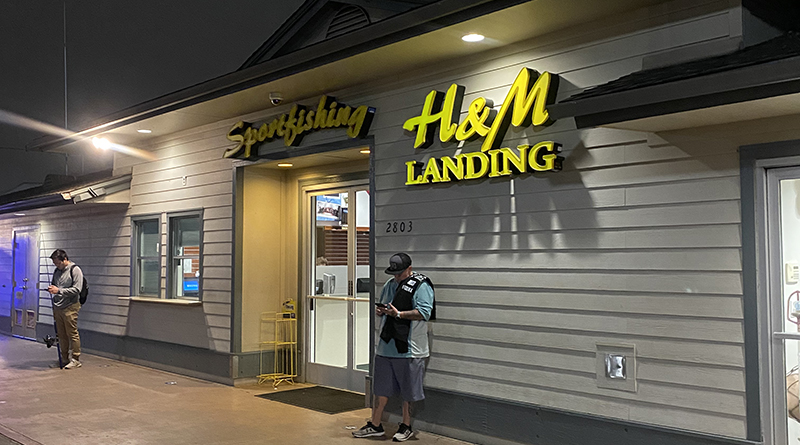
Among the most recognizable is H&M Landing, an operation that has become synonymous with the scale and history of Southern California sportfishing.
Operating since 1935, H&M Landing remains one of the oldest and most established sportfishing landings on the West Coast. Throughout its history, the landing played an important role in expanding recreational offshore fishing and helping establish San Diego as a nationally recognized fishing destination. By the late 1960s, H&M had grown into what was widely described at the time as the world’s largest sportfishing fleet while helping broaden fishing access and marine excursions throughout Southern California and Baja California.
Today, the operation continues reflecting that broad approach.
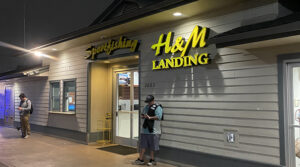
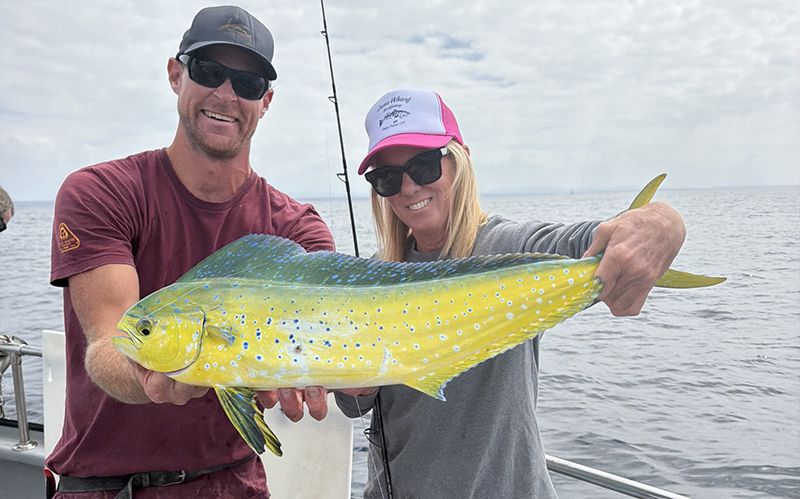
Rather than focusing exclusively on one category of fishing, H&M supports nearly every style of recreational experience available in Southern California. Visitors can choose from half-day local trips, full-day offshore opportunities, overnight tuna expeditions, multi-day adventures, private charters, long-range fishing programs, and whale watching experiences.
That variety has made the landing approachable for newer anglers while still supporting highly experienced fishermen targeting seasonal species including bluefin tuna, yellowfin tuna, yellowtail, and offshore pelagic fisheries.
The atmosphere around the docks remains part of the appeal. Anglers arriving before sunrise still experience many of the traditions that have long defined Southern California sportfishing, including crews loading bait, captains discussing conditions, and passengers preparing gear before heading offshore.
Just down the waterfront, Point Loma Sportfishing represents another chapter in San Diego’s fishing story.
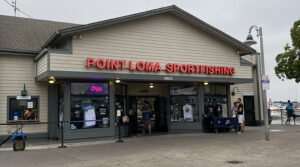
Established in 1946, Point Loma Sportfishing remains one of Southern California’s longest-running landings and continues serving as a major departure point for both local and offshore fishing.
What distinguishes Point Loma is the way the landing supports anglers across different stages of their fishing journey.
Local visitors can book shorter half-day and full-day experiences, while anglers looking to expand into offshore opportunities can transition into overnight and extended-range programs without leaving the landing. That range has helped create a strong community of returning anglers who continue moving into more advanced offshore fishing over time.
Its fleet reflects that progression.
Local and offshore vessels include familiar names such as New Lo-An, Mission Belle, Daily Double, Game Changer, and El Capitan, while larger long-range operations include vessels such as American Angler, Independence, Intrepid, and Vagabond. These boats support trips extending well beyond local waters depending on season and target species.
For many anglers, Point Loma Sportfishing has become closely associated with San Diego’s long-range tradition and the offshore opportunities that continue drawing visitors from across the country.
While Point Loma’s landings remain closely connected to San Diego Bay’s commercial and sportfishing corridor, Seaforth Sportfishing offers a slightly different perspective through its location inside Mission Bay.
Operating from Quivira Basin, Seaforth combines accessibility with a broad range of fishing opportunities and serves as one of the area’s most approachable launching points for both residents and visiting anglers.
Its location allows vessels to access local kelp beds, offshore banks, island fisheries, and extended offshore grounds while remaining closely tied to Mission Bay’s larger recreational boating community.
Trip options span local half-day fishing, twilight trips, offshore adventures, overnight programs, and multi-day excursions.
The fleet includes well-known names such as Apollo, Aztec, Cortez, Pacifica, Polaris Supreme, San Diego, Sea Watch, and Tribute, giving anglers flexibility depending on preferred trip length and fishing goals.
Seaforth’s position inside Mission Bay has helped establish it as a landing that blends recreational accessibility with serious offshore capability.
Further south in Point Loma’s sportfishing district, Fisherman’s Landing has developed a reputation built around exploration and offshore ambition.
For more than five decades, Fisherman’s Landing has remained one of Southern California’s strongest connections to long-range fishing culture and continues serving anglers interested in traveling farther offshore.
While the landing supports local and shorter-duration trips, it’s become particularly well known for extended-range opportunities targeting larger game species and destinations well beyond traditional local grounds.
Depending on season and conditions, trips may reach areas including the Coronado Islands, Cedros Island, San Benitos, Baja waters, and offshore tuna grounds.
Its fleet and schedule continue attracting anglers looking not simply for a day on the water but for a more immersive offshore experience.
Taken together, these four landings tell the larger story of San Diego’s fishing identity.
Each developed its own traditions, fleet personality, and customer base, yet all remain connected through the same foundation of access, seamanship, and the pursuit of life offshore.
For generations of anglers, these docks have become places where fishing stories begin, friendships form, and plans are made long before the boat leaves the harbor.
That culture continues making San Diego not simply a place to go fishing, but one of the defining sportfishing capitals of the West Coast.