From King Harbor marinas to the Manhattan Beach Pier and Hermosa’s walkable coastline, the South Bay offers boaters a mix of waterfront access, dining, fishing, and coastal lifestyle amenities.
Along the South Bay coastline, recreational boating exists alongside beach culture, waterfront dining, sportfishing, and some of Los Angeles County’s most recognizable coastal communities. From the marina-lined waters of King Harbor in Redondo Beach to the piers and surf zones of Manhattan Beach and Hermosa Beach, the region continues to serve as both a launching point for boaters and a destination in itself.
For many Southern California mariners, Redondo Beach remains the centerpiece of boating activity in the South Bay. Centered around King Harbor and the Redondo Beach Pier, the waterfront combines marina infrastructure with restaurants, entertainment, hotels, and public recreation opportunities, creating a harbor environment that caters to both transient visitors and longtime slip holders.
The harbor and pier district spans more than 150 acres of land and water and supports a wide range of recreational activity. Boating, paddle sports, fishing, biking, waterfront walking paths, and live entertainment all contribute to the area’s active atmosphere, particularly during summer months when harbor traffic increases and waterfront businesses see a surge in visitors.
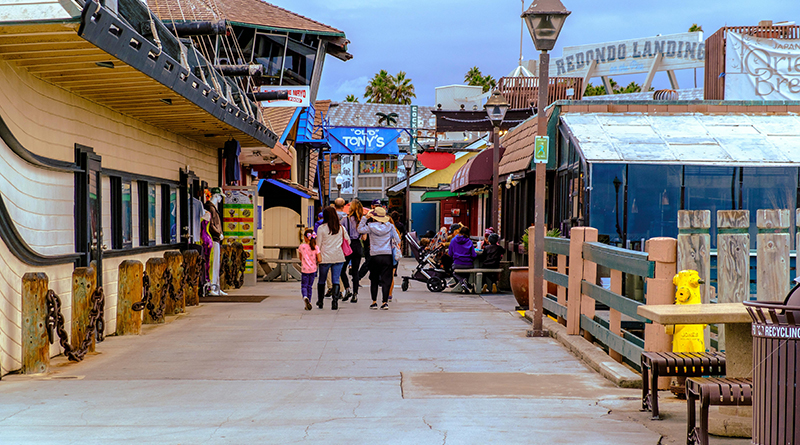
The Redondo Beach Pier itself remains one of the area’s defining landmarks. Extending over the Pacific Ocean, the pier serves as a focal point for sightseeing, dining, and fishing while offering expansive views of the harbor and surrounding coastline. Nearby restaurants range from casual seafood counters to upscale oceanfront dining establishments, many with marina views and outdoor seating designed around sunset traffic and evening visitors.
Popular waterfront dining options throughout the harbor area include long-established names such as Kincaid’s, Chart House, Captain Kidd’s, Bluewater Grill, and other restaurants integrated into the marina and pier environment.
For visiting boaters, King Harbor also offers practical infrastructure that supports both short-term and long-term stays. Four marinas within the harbor provide approximately 1,400 slips accommodating a range of vessel sizes. Harbor services are supported by the City’s Harbor Patrol division, which assists with boating safety, marina operations, and waterfront enforcement throughout the harbor district.
Slip availability varies by marina, with boaters able to contact facilities directly regarding guest dockage, transient accommodations, and long-term mooring opportunities. The harbor’s marina network includes King Harbor Marina, Portofino Marina, Port Royal Marina, and Redondo Beach Marina.
The Harbor Patrol office, located adjacent to Moonstone Park at the west end of Marina Way, also serves as a resource for boaters navigating local regulations, harbor conditions, and water safety concerns.
Beyond boating access, the harbor district functions as one of the South Bay’s major tourism and hospitality centers. Waterfront hotels including the Portofino Hotel, Crowne Plaza, and Best Western Plus Sunrise Hotel place visitors within walking distance of marina facilities, beaches, restaurants, and harbor recreation.
The area’s economic structure is also somewhat unique compared to other sections of Redondo Beach. Because much of the harbor and pier property is city-owned, revenues generated through leases and commercial activity are reinvested into maintaining and operating waterfront infrastructure and services, including harbor maintenance, public safety operations, parks, and waterfront improvements.
Just north of King Harbor, Manhattan Beach offers a different but complementary coastal experience for boaters visiting the South Bay.
While the city lacks a large recreational marina, Manhattan Beach has become a frequent destination for boaters traveling by water from nearby harbors and anchorage areas who want access to its restaurants, shopping, beaches, and iconic pier.
Downtown Manhattan Beach centers around a highly walkable commercial district located only steps from the beach and pier. The area features more than 150 retailers, boutique shops, art galleries, cafes, and ocean-view restaurants that contribute to the city’s reputation as one of the region’s most active coastal downtowns.
Dining remains one of the strongest draws for visitors, with more than 50 restaurants, coffee shops, and cafes concentrated within the downtown core. Many establishments offer outdoor seating and elevated ocean views, contributing to a waterfront atmosphere that blends upscale dining with beach-town accessibility.
The Manhattan Beach Certified Farmers Market, held weekly on Tuesdays, further adds to the district’s activity by bringing together local produce vendors, prepared foods, live music, and specialty goods within the downtown corridor.
Events also play a major role in Manhattan Beach’s identity throughout the year. Volleyball tournaments, holiday celebrations, retail events, and beach-focused activities regularly activate the city’s streets, Strand, and pier area, helping maintain a steady flow of visitors even outside peak summer months.
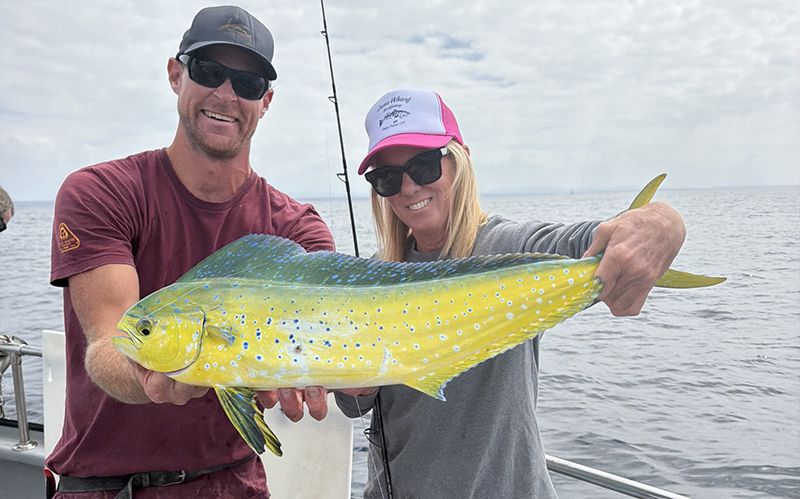
For anglers, the Manhattan Beach Pier continues to serve as one of the South Bay’s most recognizable public fishing locations. Stretching approximately 928 feet into the Pacific, the pier remains open year-round and attracts both casual and experienced fishermen targeting species including Pacific mackerel, surfperch, yellowfin croaker, halibut, jacksmelt, and occasional sharks and guitarfish.
One of the pier’s major advantages is accessibility. Because it qualifies as a public pier under California regulations, anglers aren’t required to hold a fishing license while fishing directly from the structure.
Surf fishing also remains popular along Manhattan Beach’s shoreline, particularly for barred surfperch, croaker, and corbina species often targeted in shallow beach zones during early morning and evening hours.
South of Manhattan Beach, Hermosa Beach rounds out the South Bay’s coastal boating corridor with a more compact but highly active beach-town environment.
Though smaller in geographic size, Hermosa Beach continues to draw significant visitor traffic thanks to its walkable downtown, two-mile shoreline, and strong connection to outdoor recreation and beach culture.
Pier Avenue serves as the city’s primary commercial hub, lined with restaurants, bars, cafes, and locally owned retailers that remain active throughout the year. The area’s compact layout makes it especially popular for visitors arriving from neighboring coastal cities or nearby harbor areas.
Hermosa Beach also maintains strong ties to the broader South Bay boating community through its proximity to King Harbor and surrounding marinas. Many slip holders and boat owners living in Hermosa rely on nearby Redondo Beach facilities while choosing Hermosa for its residential atmosphere and active beachfront lifestyle.
The city’s climate remains one of its defining features, with mild temperatures and consistent sunshine supporting year-round coastal recreation. Surfing, beach volleyball, cycling, paddle sports, and waterfront walking continue to drive tourism and local activity throughout the area.
Community engagement also plays a strong role in Hermosa Beach’s identity. Local events, neighborhood organizations, volunteer programs, and public safety outreach efforts contribute to maintaining the city’s small-town coastal character despite its location within the greater Los Angeles region.
Together, Redondo Beach, Manhattan Beach, and Hermosa Beach reflect the diverse ways recreational boating intersects with coastal living throughout the South Bay. While King Harbor provides the infrastructure and marina backbone for the region’s boating activity, nearby beach communities expand the experience through dining, fishing, shopping, entertainment, and public waterfront access.
For boaters navigating the Los Angeles coastline, the South Bay continues to offer more than simply a place to dock. It remains a destination where harbor operations, beach culture, and waterfront recreation come together to shape one of Southern California’s most recognizable coastal communities.