With warmer days coming up in only a few months, it’s time to make sure our vessel’s air conditioning system is in top working order. Those balmy, warm summer nights in a local harbor, the Channel Islands or somewhere down in Baja California will be much more bearable with the guarantee of a properly functioning AC system.
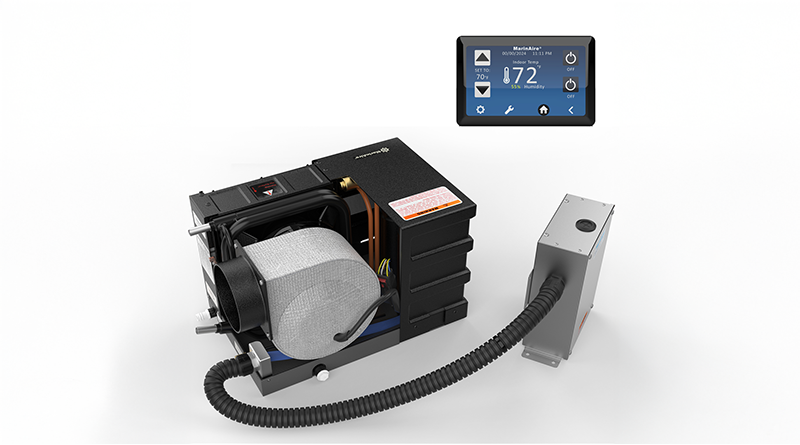
If you’re still looking for that perfect AC package for your vessel, you can choose from a wide variety of high-quality units from Dometic, Isotherm, MarinAire, CTM Marine, Webasto, and other manufacturers of marine refrigeration. But before opening your wallet, take some time to study the features and sizes of the various AC units offered and select the model best suited to your vessel’s interior layout and cooling needs.

Regular inspection and routine maintenance will extend the lifespan of your AC unit, reducing the likelihood of expensive repairs or complete replacement of the whole AC system right in the middle of the summer boating season. A list of standard procedures will help you assess the overall functioning of your boat’s AC system and identify items needing replacement or repair.
If you lack the time or inclination to undertake these procedures, hire a qualified, licensed HVAC repair technician who will inspect your vessel’s AC system, make a list of repairs needed, if any, undertake the necessary repairs and ensure the atmosphere in your vessel’s cabin meets with your satisfaction.
The first step in maintaining your AC system is assessing the overall condition of the unit. Remove the front-facing vent cover and check for oil leaks, corrosion from sea water and standing water in the drain pan underneath the unit. Check the copper tubing closely for green, crusty stains, which are telltale signs of small leaks that’ll necessitate repair by a qualified AC technician.

Also verify the electrical cables and internal wiring are dry, clean, and properly isolated from moisture. A loose wire can cause voltage loss or, even worse, electrical shock to crew and passengers.
Next, inspect the sea water pump, verifying it runs efficiently without overheating. Also make sure water flows through the strainer and overboard without any leaks along its path. Look closely at the impeller and make sure it’s fully intact without any broken rubber fins. If necessary, replace the impeller to ensure adequate raw water flow. If you have a large vessel with multiple AC units, verify each unit can independently activate and operate the raw water pump.
One very simple yet critically important component in your AC system is the sea strainer. It clears raw water of debris, particularly seaweed and small crustaceans that could otherwise foul up the entire raw water flow. The raw water system is very much like the one on the vessel’s engine, which uses raw water drawn from under the hull to absorb heat from the coolant in the heat exchanger.
Before starting the AC system, open the seacock to let in raw water, and inspect the path of water from the thru-hull fitting all the way to the strainer, checking for excessive corrosion and leaks. A light green patina on the bronze thru-hull is normal and should not be of any concern. However, heavy green flakes falling from the thru-hull indicate the immediate need for a new raw-water intake device. When installing a new thru-hull, make sure to connect the bronze fitting with the vessel’s bonding system to ensure a long life for the fixture.
If the AC system hasn’t been used in several months, flush out the raw water path with a hose and fresh water. Then prime the fluid path to clear any airlocks that may have formed. This will prevent overheating, which could cause serious harm to the AC system if not corrected. If the AC unit is already overheating, remove and inspect the cooling hoses, checking for cracks, clogging and leaks.
To ensure a clean fluid flow through the AC unit, use a flush kit to remove build-up in the unit’s raw water tubing. Rydlyme and eRefrigerants are both dependable systems for cleaning out AC coolant coils, helping to ensure trouble-free operation throughout those balmy summer months.
If you have any doubts about the condition of the hoses, install new, high-quality hoses and clamps to guarantee a flow of clean, unobstructed water from the intake mushroom fitting to the cooling unit and finally through the outflow fitting.
To ensure proper air flow, clean or repair air ducts and either clean or change air filters to guarantee unimpeded air flow throughout the vessel’s cabin. You can use either a vacuum cleaner or a water hose to clear the air filter of debris. Before reinstalling washed filters, allow them to dry out thoroughly in the sun to prevent them from forming a hard crust while dust flows through them during use. Damage to, or heavily clogging of, the mesh will necessitate new air filters. If the filters are several years old and getting difficult to clean, it’s best to replace them to guarantee a flow of cool, clean air into the cabin.
Dometic offers air conditioning filters in a wide selection of sizes to fit AC systems from several other manufacturers, ranging from roughly 7 by 9 inches to 16 by 16 inches, which covers the gamut for most recreational vessels. Filterbuy has a list of even larger filters, up to 3 feet by 30 inches, which can accommodate AC systems found in yachts of much greater tonnage.
In order to maintain the desired temperature of air flowing from the cooling unit to all vents throughout the cabin, verify that the temperature setting and the actual temperature of each cabin are the same. If the cabin has reached your desired temperature but the air conditioner continues to chill the space to a significantly higher or lower temperature, calibrate the room temperature settings on the cooling unit to ensure proper control.
Proper maintenance of your vessel’s AC system, from water and air intake to proper flow throughout the cabin, will guarantee a pleasant atmosphere throughout the balmy summer and early autumn months, which is when we spend the most time on our yachts. Carry along a handy set of tools and spare parts, and cruise with the comfort of knowing your AC system will serve your cooling needs throughout the warm coastal cruising season.