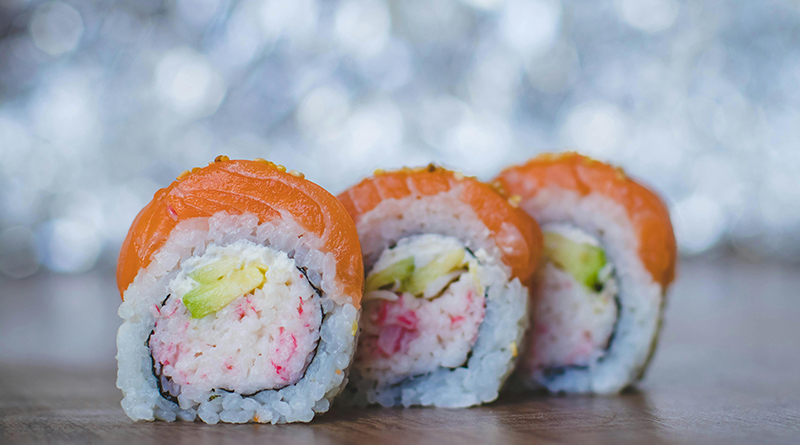
If you have ever enjoyed a California roll or a crab salad sandwich, there is a good chance you were actually eating hake. This understated fish, often overlooked by recreational anglers, is one of the key ingredients behind the seafood world’s great imposter — imitation crab. While species like tuna, halibut, and rockfish steal the spotlight along the West Coast, the humble hake quietly plays an essential role in one of the largest seafood industries in the world.
Hake is a white-fleshed fish belonging to the cod family, known scientifically as Merluccius. There are many varieties, but on the Pacific Coast, the most common is the Pacific hake, also called Pacific whiting (Merluccius productus). Found from the waters off British Columbia all the way to Baja California, these slender, silver-gray fish prefer the deep, cool offshore zones of the continental shelf. They are often caught hundreds of feet below the surface, where they form enormous schools that move with the seasons.
Despite their abundance, hake are not a common catch for recreational anglers. That is partly because they inhabit deep waters and are mostly targeted by large commercial vessels that use midwater trawl nets designed to scoop up entire schools at once. For sport fishers who focus on more glamorous species like halibut or rockfish, hake tend to be an afterthought. Still, every once in a while, one will appear on a deep-drop line—surprising boaters who may not even realize they have caught one of the ocean’s most commercially valuable fish.
Hake may not look like much. They have long, tapered bodies with a large mouth, glassy eyes, and soft, delicate flesh that breaks apart easily. Their meat is light, lean, and slightly sweet—similar to cod or pollock. This mild flavor and smooth texture make them perfect for processing, which is how hake earned its starring role in the imitation crab industry.
Imitation crab, known in the seafood world as surimi, is made by mincing, washing, and blending white fish into a fine paste. The paste is then seasoned, flavored, and reshaped to resemble crab leg meat. Pacific hake, along with Alaska pollock, is one of the most frequently used fish for surimi because its texture binds beautifully and holds flavor well. Once seasoned and cooked, the result is a seafood product that looks and tastes remarkably like real crab—without the price tag.
The Pacific hake fishery is one of the largest and most sustainable in the United States. Managed under strict federal guidelines, commercial vessels harvest the fish under quotas set by the Pacific Fishery Management Council. Every catch is monitored to ensure the population remains healthy, making it a model for responsible fisheries worldwide. Most of the harvested hake ends up processed in the Pacific Northwest before being exported to countries like Japan and Korea, where surimi is a major food staple. The rest supplies domestic markets, often appearing as the “crab” in sushi rolls, seafood salads, and imitation crab sticks found in grocery stores.
Even though few anglers ever reel one in, hake is a quiet powerhouse of the ocean. Its soft texture, subtle flavor, and versatility have made it a cornerstone of modern seafood products—feeding millions while helping sustain the demand for crab alternatives. It is a perfect example of how a lesser-known fish can have a global impact, bridging the gap between ocean sustainability and culinary creativity.
The next time you dip a California roll in soy sauce or toss imitation crab into a seafood pasta, you can thank the Pacific hake. It might not be the trophy catch of your next fishing trip, but this deep-water dweller has earned its place as one of the most influential and unassuming fish in the sea.