Seatech Marine Products, Inc. image provided by Mike Lamb
Bow and stern thrusters have become one of the most transformative upgrades available to recreational boaters, particularly as boats continue to grow larger and marinas grow tighter. While thrusters are often discussed in terms of convenience at the dock, what many owners don’t see is the extensive planning, engineering, and integration required to make these systems perform reliably. A properly installed thruster is not a bolt-on accessory. It is a carefully designed maneuvering system, one that touches the hull, electrical or hydraulic infrastructure, helm controls, and long-term maintenance planning.
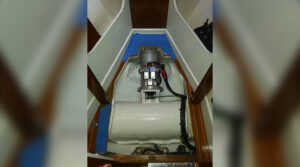
Seatech Marine Products, Inc. image provided by Mike Lamb
According to Mike Lamb of Seatech Marine Products, Inc., a professional thruster installation starts long before a boat ever enters the yard. “We begin by understanding the boat and how the owner uses it—length, displacement, windage, typical docking conditions, and whether they want bow only, stern only, or both,” Lamb explained. Correct sizing, he emphasized, is critical. An undersized thruster may technically function, but it often fails to deliver the confidence owners expect when wind or current come into play.
That early planning phase also includes designing the system architecture. Control type, helm layout, and system integration all factor into the final result. Lamb noted that modern Sleipner systems use S-Link, a CAN-based network approach that simplifies wiring, supports diagnostics, and allows for cleaner helm installations with easier long-term serviceability. Decisions made at this stage affect not only performance, but also how intuitive the system feels every time the boat is docked.
Hull Work: Where Performance Is Won or Lost
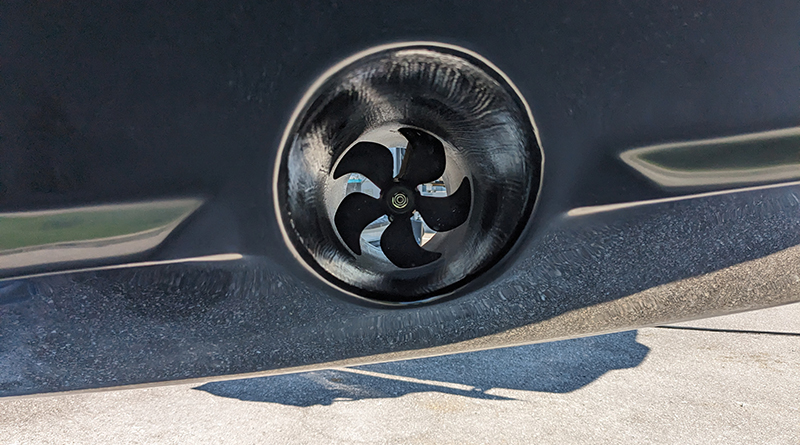
Once the system is selected, yard coordination becomes the next critical step. For tunnel thrusters, Lamb stressed that hull work is where success is truly determined. Tunnel placement, depth, and how the tunnel is faired into the hull directly affect thrust efficiency, noise levels, and vibration. Poor placement or sloppy finishing can reduce usable thrust and create turbulence that follows the boat for the life of the installation.
After tunnel installation, mechanical work follows. The gear leg and motor must be mounted with precise attention to sealing, alignment, corrosion protection, and clearances. While stern thrusters are less common, Lamb noted they require equal care, particularly around transom structure, waterline depth, and ensuring clean water flow to the propeller.
Electrical and control installation is where many systems either shine or fail. Harnesses must be properly routed, protection devices installed, and battery systems designed to handle high current loads. During commissioning, Lamb explained, installers verify thrust direction, check voltage drop under load, and confirm there are no abnormal vibrations or noise. The final step is owner handoff, which includes dock testing and coaching on proper technique. Lamb emphasized that manufacturers specifically warn against changing thruster direction while the unit is still spinning, especially during out-of-water testing, as it can cause damage.
Electric vs. Hydraulic: Matching the System to the Boat
One of the most common decisions boat owners face is choosing between electric and hydraulic thrusters. Lamb explained that, in most cases, the decision comes down to vessel size, usage, and existing onboard systems.
For the majority of recreational boats, DC electric thrusters are the most practical solution. They are self-contained, relatively straightforward to install, and well-suited for short, controlled bursts during docking. The key, Lamb noted, is designing the electrical system correctly. Battery capacity, cabling, and protection must be properly sized to avoid voltage drop, overheating, or nuisance shutdowns.
Hydraulic thrusters are often better suited for larger yachts or commercial vessels, particularly when a hydraulic system is already onboard. They offer higher duty cycles and consistent power without being limited by battery capacity. On boats without existing hydraulics, however, installing a full hydraulic package adds complexity and cost that typically only makes sense for larger or heavily used vessels. AC-powered thrusters can also be appropriate on certain yachts with robust onboard generation, but for most leisure boats, Lamb said DC electric remains the most cost-effective choice.
Why Installation Quality Matters
Thrusters make the biggest difference when conditions are least forgiving. Tight fairways, crowded slips, wind, and current can challenge even experienced operators. A bow thruster alone can significantly improve control, but Lamb explained that combining bow and stern thrusters provides the highest level of precision. With both, operators can move the boat sideways and rotate in place more cleanly, turning stressful approaches into controlled maneuvers.
Control style also plays a role. While basic on-off thrusters function, proportional control allows operators to apply just enough thrust instead of jumping from zero to full power. Some systems offer assist-style functions that help maintain steady thrust briefly while lines are secured, a feature that can be especially helpful for single-handed docking, as long as duty-cycle limits are respected.
Problems arise when system choice or installation does not match the boat. Undersized thrusters struggle against windage. Poor tunnel geometry reduces performance and increases noise. Improper electrical design leads to shutdowns at the worst possible moments. The goal of a professional installation, Lamb said, is to make the system feel quiet, predictable, and consistent, turning the thruster into a confidence tool rather than another variable.
Maintenance: Simple, But Not Optional
Thrusters are generally low-maintenance systems, but long-term reliability depends on routine inspection. Lamb recommends that owners periodically check inside compartments for leaks or moisture, especially on stern installations where damp environments accelerate corrosion. Battery health and clean electrical connections are equally important, as thrusters draw high current and are sensitive to voltage issues.
From the outside, marine growth in tunnels or debris around the propeller can reduce thrust and create vibration. Seasonal haul-out inspections allow for thorough cleaning, anode replacement, antifouling application, and checks for impact damage or unusual wear. Some models also require periodic gear leg oil checks, making it important for owners to understand the service requirements of their specific unit.
Innovation at the Helm
Thruster technology has advanced significantly over the past decade. Lamb noted that modern systems are lighter, more compact, and more efficient than earlier generations, with better sealing and environmental protection. Improved power and heat management allow for longer usable run times during docking, while maintenance-friendly designs reduce long-term headaches.
On the helm side, integration has become a priority. Owners increasingly want intuitive control interfaces, wireless remotes, and systems that manage multiple docking-related functions from a single device. Lamb sees two clear buyer groups: those seeking a reliable, budget-conscious upgrade, and those willing to invest in higher-end proportional control and integration to make docking feel nearly effortless.
Craig Lamb founded Seatech Marine Products, Inc. in 2001 after recognizing a need for higher standards in marine installation and service. Over the years, the company has remained focused on reliability, proper installation, and long-term support. Based in Point Loma, San Diego, Seatech has grown into a team of approximately ten employees, combining a strong brick-and-mortar service operation with an expanding ecommerce presence.
Craig Lamb’s philosophy has remained consistent: quality in the marine world is not just about convenience, but about safety and peace of mind. Today, Seatech continues to serve the boating community with the same goal it started with more than two decades ago, helping boaters enjoy their time on the water with confidence.
Thrusters have evolved from luxury accessories into practical tools that reshape how boaters handle their vessels. When properly designed, installed, and maintained, they improve safety, reduce stress, and extend the boating season for many owners. As Lamb emphasized throughout the process, success depends on matching the right system to the right boat and executing every detail correctly.
For more information about professional thruster installation, system selection, and marine-grade products, visit Seatech Marine Products, Inc. or connect with their team for expert guidance tailored to your vessel.