How these simple tools can provide critical control, stability, and safety when it matters most.
When conditions offshore begin to deteriorate, even the most experienced boaters can find themselves facing a loss of control. Wind, swell, and current can quickly overwhelm a vessel’s ability to maintain heading, particularly if propulsion is compromised. In these moments, preparation becomes more than a precaution; it becomes a lifeline.
Among the most overlooked yet highly effective pieces of safety equipment on board are sea anchors and drogues, two devices designed to help vessels maintain stability and directional control in rough seas or during engine failure.
Although often grouped together, sea anchors and drogues serve distinct purposes, and understanding when and how to deploy each can make a significant difference in a vessel’s safety and performance. For Southern California boaters who may encounter sudden weather shifts, offshore winds, or mechanical issues far from harbor, these tools offer a practical solution rooted in seamanship rather than technology.
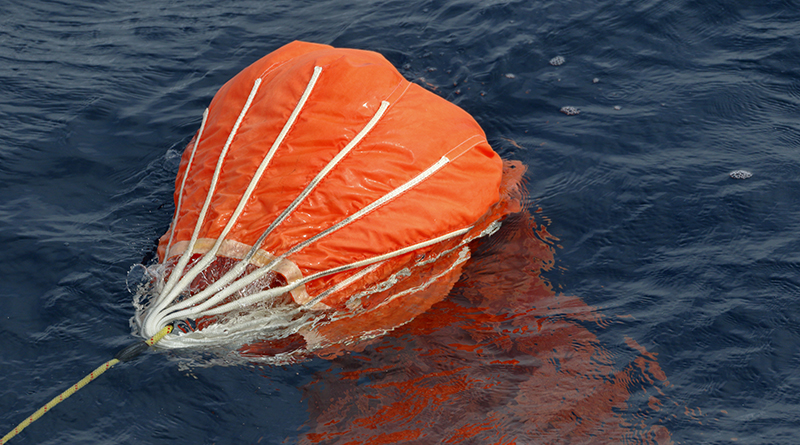
A sea anchor, sometimes referred to as a parachute anchor, is designed to be deployed from the bow of the vessel. Once set in the water, it creates substantial drag, effectively holding the boat in place and keeping the bow oriented into oncoming waves. This positioning is critical, as it allows the vessel to meet waves head-on rather than broadside, reducing the risk of capsizing or taking waves over the side.
In contrast, a drogue is typically deployed from the stern and is used to slow the vessel’s drift while maintaining directional control. Rather than stopping the boat entirely, a drogue allows it to move with the seas in a controlled manner, preventing the stern from being overtaken by breaking waves. This can be particularly important when running before large following seas, where excessive speed or loss of steering can lead to dangerous situations such as broaching.
Both devices operate on a simple principle: increasing drag in the water to influence how the vessel interacts with wind and waves. Yet their simplicity is precisely what makes them so reliable. Unlike electronic systems or mechanical components that can fail, sea anchors and drogues rely on durable materials and proper rigging, making them dependable tools in emergency situations.
For many recreational boaters, the idea of deploying a sea anchor or drogue may feel unfamiliar, but the concept is widely used in offshore sailing and commercial operations. In Southern California, where conditions can change rapidly, particularly around areas like the Channel Islands or offshore banks, having a plan for heavy weather is essential. A calm morning departure can quickly give way to building afternoon winds or unexpected swell, and the ability to stabilize the vessel can provide both safety and peace of mind.
Choosing between a sea anchor and a drogue depends largely on the situation. A sea anchor is most effective when a vessel needs to hold position and ride out a storm, particularly if engine power is lost or if conditions make navigation unsafe. By keeping the bow pointed into the waves, the vessel experiences a more predictable and manageable motion. This can reduce strain on the hull and improve overall safety for those on board.
A drogue, on the other hand, is better suited for scenarios where the vessel must continue moving, but at a controlled pace. This is often the case when navigating down-sea in large swells. Without a drogue, a boat may accelerate too quickly on the face of a wave, increasing the risk of losing control. The added drag of a drogue helps regulate speed and maintain alignment with the waves, allowing the operator to steer more effectively.
Proper sizing and deployment are critical to the effectiveness of both devices. Manufacturers typically provide guidelines based on vessel length and displacement, and it’s important for boaters to follow these recommendations closely. An undersized sea anchor or drogue may not generate sufficient drag, while an oversized unit can place excessive strain on cleats and lines.
Equally important is the rigging setup. Sea anchors are generally deployed using a strong rode attached to the bow, often with a trip line to aid in retrieval. Drogues are deployed from the stern using reinforced attachment points capable of handling significant load. In both cases, chafe protection, high-quality lines, and secure hardware are essential components of the system.
Storage and accessibility should also be considered. In an emergency, there may be little time to locate and deploy equipment. Keeping a sea anchor or drogue readily accessible, properly packed, and free from tangles can make a meaningful difference in response time. Regular inspection and practice deployment in controlled conditions can further ensure that boaters are prepared to use the equipment effectively when needed.
Maintenance for these devices is relatively straightforward, which adds to their appeal. Most sea anchors and drogues are constructed from heavy-duty fabric designed to withstand harsh marine environments. After use, rinsing with fresh water and allowing the material to dry thoroughly can help prevent deterioration. Periodic checks for wear, particularly along seams and attachment points, are recommended to ensure reliability.
Despite their effectiveness, sea anchors and drogues remain underutilized among recreational boaters. This may be due in part to a lack of awareness or the perception that such equipment is only necessary for offshore passagemaking. However, the reality is that even short coastal trips can present unexpected challenges. Mechanical issues, sudden weather changes, or navigational delays can place a vessel in conditions where additional control becomes invaluable.
Incorporating a sea anchor or drogue into onboard safety gear reflects a broader approach to seamanship, one that prioritizes preparedness and adaptability. While modern vessels are equipped with advanced navigation systems and reliable engines, no system is immune to failure. Having a simple, proven method to stabilize the boat can serve as a critical backup when other options are limited.
For Southern California boaters, where access to open ocean is both a privilege and a responsibility, understanding the tools available for safety is an essential part of the experience. Whether heading offshore for fishing, cruising to Catalina Island, or exploring the coastline, conditions can shift quickly, and the ability to respond effectively can make all the difference.
Sea anchors and drogues may not be the most visible or frequently discussed pieces of equipment, but their value becomes clear in challenging moments. By providing control, reducing risk, and allowing boaters to manage their vessel in adverse conditions, these tools earn their place as quiet but powerful lifesavers on the water.