Summer is approaching, and we all want to be out on our boats having a great time, knowing our food is properly refrigerated with plenty of ice to drop in the blender for our favorite margarita recipe.
Over the years, many of us have depended on a big ice box where we dump up to 100 pounds of ice cubes, which all melt to sloshing water within a few days. At some point, we realize the solution to this mess is a refrigerator/freezer unit powered by a diesel generator, or “genset,” which can keep our food chilled and our glasses full of ice as easily as if we were back home on land.
Several manufacturers produce small generators, at least a few of them using the same power plant, a Kubota two-cylinder, seven-horsepower, 3.5 kW diesel engine that uses very little fuel and lasts for many years with only basic maintenance. Others choose the Kubota single-cylinder engine. While the engine might be the same among the various models, each brand of genset has its own generator and AC/DC power inverter, along with other unique features.
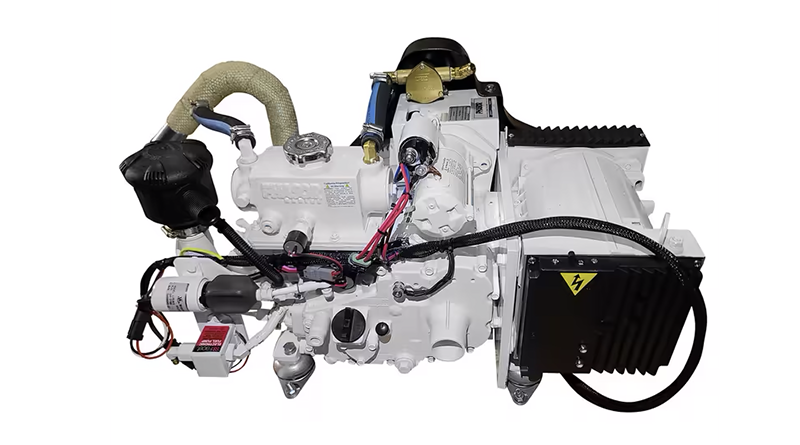
The Fischer Panda 3.5e Inverter Generator is packaged in a “compact, ultra-quiet design,” and is capable of providing constant power for air conditioning, refrigeration and entertainment, along with navigation, onboard electronics and lighting above and below decks.
Weighing 185 pounds, the whole unit fits inside a box measuring only 24.8 inches long, 18.1 inches wide and 16 inches high, the size of two medium suitcases stacked atop each other. Of course, as with all other gensets, this does not include the plumbing or electrical wiring required for installation.
The Panda 3.5e features a graphic display with all operational data, including voltage output, power, engine temperature, oil pressure and a log of data regarding irregularities and maintenance. This model is also NMEA compatible and may be integrated with Garmin, Raymarine and other chartplotters and multifunction displays.
The NextGen UCM2-3.5 marine diesel generator from Next Generation Power uses the same power house as the Panda 3.5e but runs at a conservative speed of 2,800 rpm, saving fuel and engine life while producing more than adequate power for the average boat.
The UCM2-3.5 is a freshwater-cooled design producing 120/240 volts AC, allowing it to be used on European yachts, which typically use a 240-volt AC system. If you purchase a refrigerator or other small appliance in Europe, Australia or New Zealand, you can rest assured your UCM2-3.5 will be able to provide the necessary power.
This model of genset from NextGen weighs a moderate 160 pounds, or 200 pounds with its easily installed, sound-dampening enclosure. The engine for this model is a single-cylinder, 7hp Kubota diesel with a horizontal design, allowing the NextGen to boast being “the lowest-profile genset built to date.”
Another popular genset model in this class is the Phasor Marine, which is also built around a 7hp, single-cylinder Kubota diesel power plant measuring 31.5 x 20 x 20 inches and weighing 215 pounds, including the sound shield. The generator produces 120 volts and 30 amps of power for a total output of 3,500 watts.
Rather than being packed in a sound shield, the Phasor Marine line of generators, including the K2-3.5PMG, stand on engine mounts similar to those found under the main engine in most pleasure vessels. This open configuration allows for custom installation in tight or awkward corners of a vessel where space may be limited. On a large yacht, it is probably best to install the K2-3.5PMG in the engine room or compartment, as long as there is enough space. On a midsized yacht, regardless of the brand of generator you purchase, you will need to be a bit more creative in designating space for a genset.
Before installing a genset, you will need to identify which thru-hull you will use for intake and output of the unit’s freshwater cooling system. While a Y-valve or fitting could probably be used for the water intake, it is probably better to drill a new hole through the hull and install a dedicated thru-hull for your new genset. Having to shut off the intake to work on one device at the expense of another may not work well while underway offshore. Not having access to the galley sink for a few hours is one thing. But not being able to start the main power plant for propulsion when you desperately need to get moving is quite another scenario that could have dire consequences.
Also, installing a raw water filter, such as one produced by Forespar, Groco or Shurfo on the input side will add years of service and help guarantee consistent cooling throughout the genset’s lifetime. Without a filter, small pieces of seaweed, tiny crabs and other creatures of the deep can clog raw water circulating through the cooling system. The raw water output mushroom fitting should be placed at the same level as the bilge pump hose fittings several inches above the waterline.
While planning the installation of the new genset, you must also identify the specific type of wiring and fuses to be used in the unit’s electrical harness and plan how you want to integrate the wiring into your vessel’s electrical system. Each vessel has its own unique wiring layout, so it is advisable to design a simple schematic showing how the new wiring is to be laid out. If you have any doubts, it is best to hire a qualified marine electrician to tackle the job of installing your new diesel generator.
Choosing a genset and installing the unit properly will be more than a routine, one-afternoon project like switching out an old marine sanitation device. But having a new genset in place to add extra AC current to your vessel will be a huge jump in your standard of living afloat. Enjoy those margaritas and take pride in an installation well done while listening to Jimmy Buffet on the stereo!