image 1 (1)

Boating Into Mexico

Border logistics, marina amenities, and the rich blend of culture and recreation make boating to Mexico an unforgettable experience.

By: Katherine Clements in collaboration with Capt. Pat Rains

¡Vamos a México!  El periódico The Log quiere ayudarte con las partes difíciles!

For many Southern California boaters, the run south into Mexican waters is a rite of passage. It’s a voyage that blends adventure, planning, and cultural discovery. From the moment a vessel leaves San Diego Bay or Dana Point Harbor and sets its course toward Ensenada, the journey transforms from a familiar coastal cruise into an international passage where preparation and seamanship take center stage. The trip may only be a few hours for those headed to Baja’s northern coast, but it demands the same care and respect as any offshore voyage.

Planning is the foundation of a successful run to Mexico. The most common departure points are San Diego, Newport Beach, and Dana Point, with Ensenada serving as the first major port of entry. After officially clearing into the country at Ensenada’s CIS office, many skippers choose to continue farther south, stopping at Turtle Bay, Magdalena Bay, Cabo San Lucas or La Paz. Each destination has a distinct character, from the remote fishing towns of northern Baja to the lively chain of marinas all around the Sea of Cortez.

Understanding distances, fuel availability, and weather patterns is critical before departure. For example, the first leg from San Diego to Ensenada covers roughly only 70 n.m. and can take between eight and 10 hours, depending on sea state and current. But after Ensenada, fuel stops, and overnight anchorages are few and far between. It’s about 290 n.m. to the next fuel opportunity at Turtle Bay, and after that it’s about 470 n.m. to the bustling fuel docks of Los Cabos.

PAPERWORK CHA CHA

No matter now far south you’re planning to cruise, crossing this first international border requires paperwork and procedure for both the skippers and crew members at Ensenada’s CIS office. All boaters entering Mexican waters must show the Port Captain (Capitan de Puerto) their passports valid for at least 180 days. They will all go onto the boat’s official Crew List or cruising permit. Everybody must get their FMM, formerly known as a Tourist Card, issued by Immigration (Migracion) and usually valid for 180 days. A Mexican fishing license (Pesca) must be purchased for each person aboard if any rods are on the vessel, even if no fishing is planned.

Further, the boat’s skipper must present the vessel’s valid state registration or federal documentation certificate to the Capitan de Puerto and Migracion. If the vessel does not already have a valid Temporary Import Permit (often referred to as a TIP), it must be purchased here from Mexican Customs (Aduana), good for 10 years and paid by credit card to the Mexican Navy bank (Banjercito). Be sure to keep all receipts in the boat’s waterproof document case, especially for the TIP and Cruising Permit.

To save time in Ensenada, the skipper can initiate some applications online in the U.S. then complete them in Ensenada. Completing all forms in advance and keeping digital copies helps ensure a smooth arrival. For each person’s FMM, visit https://www.inm.gob.mx/fmme/publico/en/solicitud.html For individual Fishing Licenses, visit http://sportfishingbcs.gob.mx  To initiate the boat’s 10-year TIP (about US$ 60.), the owner should have ready a credit card and the boat’s VIN number, plus a list of serial numbers for all the engines, outboards, dinghy, jet skis, generators, installed and hand held radios, GPS and other electronics, then visit https://www.banjercito.com.mx/registroEmbuques/#  The TIP allows duty-free importation of the boat and all named equipment for 10 years. Be sure to cancel the boat’s TIP before selling the boat.

PREPARATIONS

Preparation extends well beyond paperwork. Mechanical reliability is vital when cruising foreign waters. Engines, fuel systems, and batteries should all be inspected, and spare parts carried on board, especially for Starlink, radios, water makers and radars. Weather forecasting is another essential element. The Pacific off Baja can deliver calm seas one day and heavy swells the next. Seasonal changes, particularly during hurricane months from June through November, can transform conditions rapidly. Most boaters prefer to make the journey during late fall through spring, when temperatures are moderate and prevailing northwest winds tend to be more favorable.

Safety should always be the top priority. A properly equipped vessel should include life jackets, flares, life raft, first-aid supplies, and an EPIRP (emergency position-indicating radio beacon). While the boat may have a Starlink antenna and a satellite phone system, many mariners also carry their own hand-held satellite communication device to send position updates and call for assistance when out of VHF range.

Fuel planning is another consideration, as distances between fuel docks can be long along parts of the Baja coast. Carrying reserve fuel in approved containers provides peace of mind but remember that transferring fuel in bumpy seas can be dangerous. Boaters should also verify that their insurance policy covers international travel, as many U.S. marine insurers require separate riders for coverage in Mexican waters south of Ensenada.

OLYMPUS DIGITAL CAMERA

CULTURE & ACTIVITIES

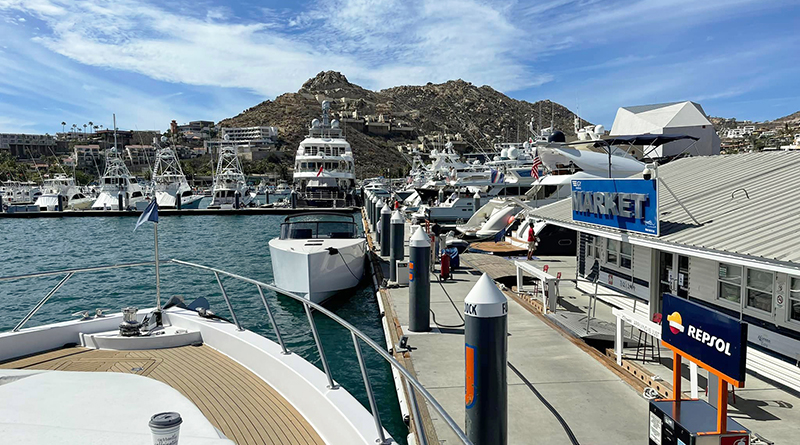
Beyond logistics, the cultural experience is one of the greatest rewards of boating south. Mexico’s coastal communities welcome visiting boaters with warmth and hospitality. Ensenada offers one of the most accessible international marinas for Southern Californians. Marina Coral is a favorite stop, offering full-service amenities, a fuel dock, customs offices, and convenient provisioning. So too do Ensenada’s Marina Baja Naval and Cruiseport Village Marina.

Farther south, towns such as Turtle Bay and Magdalena Bay provide glimpses of traditional fishing life and offer long-range cruisers a rest stop and safe refuge in bad weather. The Sea of Cortez beckons with turquoise water, vibrant sea life, and quiet anchorages perfect for snorkeling and exploring by dinghy, SUP, or kayak. Many travelers describe the contrast between the busy harbors of California and the peaceful isolation of Baja anchorages as the best highlight of the entire trip.

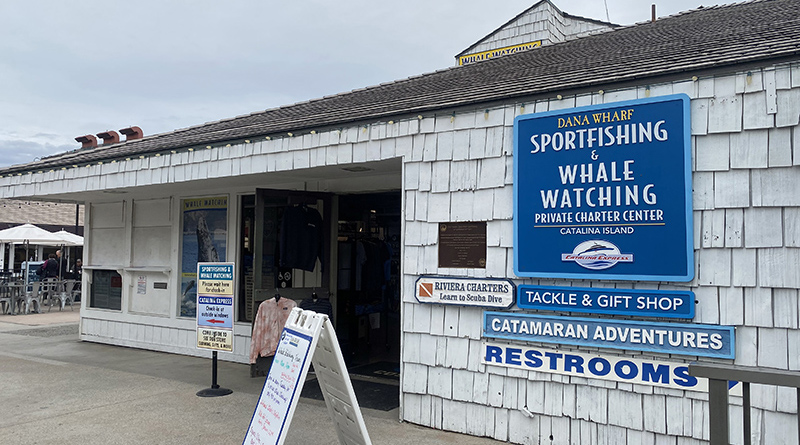
Fishing is another major draw. Baja’s waters are home to many of the Pacific’s most sought-after gamefish, including yellowtail, dorado, tuna, marlin and rooster fish. The rich ecosystem, fed by nutrient rich upwellings, provides incredible opportunities for both recreational anglers and sportfishing charters. However, regulations differ from those in the United States. Understanding daily limits, species protections, and gear restrictions helps ensure sustainable fishing and positive relations with local authorities.

Environmental responsibility should be a focus throughout the journey. Boaters are encouraged to use biodegradable soaps, avoid dumping waste or graywater within five miles of shore, and respect Mexico’s many marine sanctuaries. Anchoring must be done carefully to avoid damaging ancient coral or healthy seagrass beds. Many ports and marinas along Baja now participate in conservation programs that promote recycling and responsible boating practices, and some issue fines for polluting. Joining local cleanup efforts or simply collecting trash that washes ashore are small acts that contribute to preserving the pristine coastline for everyone’s future.

SOUTHBOUNDERS

Timing can also influence the experience. Winter months in the lower Sea of Cortez often provide calm mornings and clearer water for diving and snorkeling, while spring and early summer bring warmer temperatures and more marine life activity. The Newport to Ensenada International Yacht Race, held annually in April, is a celebrated event that showcases the camaraderie and challenge of this route. Other notable gatherings include the cruisers’ Baja Ha Ha in November and the Panama Posse in December. Then there’s the big dollar sportfishing tournaments such as the Bisbee’s Black and Blue and the Cabo Tuna Jackpot, which draw international crowds and generate excitement across the boating community.

Communication with local authorities and marinas is easy thanks to email, cell phones and websites. Many Port Captains post contact information, harbor maps, weather forecasts, Customs requirements, and safety updates online. Even so, it’s wise to carry paper charts and current guidebooks. Technology can fail, but a paper backup never loses signal. Planning for fuel, food, and water stops remains fundamental, and having quite a few pesos on hand helps – because smaller docks and shops do not accept credit cards and often cannot make change for anything greater than a U.S. five-dollar bill. Today’s exchange rate is 18.56 pesos to one dollar.

The trip south isn’t only about the destination but about rediscovering the rhythm of the sea. It requires patience, planning, and an open mind. It challenges mariners to balance adventure with responsibility. Those who make the journey often describe it as transformative. The sunsets over Baja’s rugged cliffs, the taste of fresh fish tacos in a seaside cantina, and the sense of independence found on the open ocean stay with you long after returning home.

For Southern California boaters, traveling to Mexico offers both a test of seamanship and a celebration of the boating lifestyle. It reminds us that the ocean has no borders in spirit, only those we must navigate with respect and preparation. With careful planning, sound equipment, and a sense of curiosity, the voyage south can be as safe as it is unforgettable. Whether bound for Ensenada for a weekend or setting a course toward the Sea of Cortez, the journey unites two coasts in a shared love of the sea and the adventure that lies beyond the horizon.