When one thinks of Charles Dickens and Christmas, tales like A Christmas Carol may spring to mind, with images of snow-dusted streets, crackling fireplaces, and hearty feasts. But few people know that Dickens also explored the magic of Christmas on the high seas. In his essay, A Christmas Tree, Dickens painted a vivid picture of sailors spending the holiday far from home, celebrating with creativity and camaraderie that rivaled any landlubber’s festivities.
In the days of Dickens, life at sea was often grueling, with sailors enduring harsh conditions, cramped quarters, and long months away from their families. Yet, when Christmas rolled around, these seafarers found ingenious ways to bring a bit of holiday cheer aboard their ships.
Dickens marveled at the sailors’ resourcefulness, describing how they transformed their vessels into festive havens. With no pine trees or tinsel in sight, they made do with what they had. Lanterns strung along rigging became twinkling “stars,” and ropes were woven into makeshift garlands. Even the humble figurehead at the ship’s bow might be adorned with a wreath fashioned from seaweed or scraps of fabric.
One of the most charming traditions Dickens noted was the sailors’ habit of carving wooden ornaments or small toys during their downtime, which they would exchange as gifts on Christmas Day. These simple tokens, created with care and craftsmanship, became treasured keepsakes among the crew.
Christmas dinner at sea was another highlight of the holiday. While the fare was often humble compared to a traditional English feast, sailors made the most of their rations. Salted meat, hardtack, and rum might be spiced up with dried fruits or sugar, if available, to create a passable pudding or stew. For many sailors, the communal meal was more about the company than the cuisine, as they gathered around to share stories, sing carols, and toast to the season.
Dickens, ever the romantic, described these maritime celebrations as moments of warmth and humanity amidst the vastness of the ocean. He captured the spirit of camaraderie that made Christmas at sea uniquely special — a bond forged by shared hardship and a yearning for home.
Music played a vital role in sailors’ Christmas traditions, and Dickens was particularly enchanted by the idea of carols being sung aboard ships. With no choirs or instruments, sailors would harmonize to create hauntingly beautiful renditions of beloved hymns like Silent Night and God Rest Ye Merry, Gentlemen. The sound of their voices rising above the waves, carried by the salty sea breeze, was a poignant reminder of the universal power of the holiday spirit.
In his essay, Dickens noted how these carols often brought a sense of connection to loved ones far away. As sailors sang beneath the stars, they imagined their families doing the same back on land, bridging the distance through the timeless melodies of Christmas.
What makes Dickens’ depiction of Christmas at sea so captivating is its sense of adventure. While many of his contemporaries focused on domestic holiday scenes, Dickens turned his gaze outward, finding joy and wonder in the resilience of sailors. His words evoke a sense of romance about life on the ocean, where even the harshest conditions couldn’t dampen the festive spirit.
Dickens’ portrayal reminds us that Christmas is not about where you are but who you’re with and the effort you make to celebrate. Whether on a rolling ship in the middle of the Atlantic or in a cozy parlor by the fire, the holiday’s essence is found in togetherness, creativity, and hope.
Today, Dickens’ essay A Christmas Tree remains a delightful window into a bygone era of maritime life. It’s a testament to the ingenuity and determination of sailors who brought the holiday to life in the most unlikely of places. Their makeshift decorations, heartfelt gifts, and soulful carols remind us that Christmas is as much about spirit as it is about tradition.
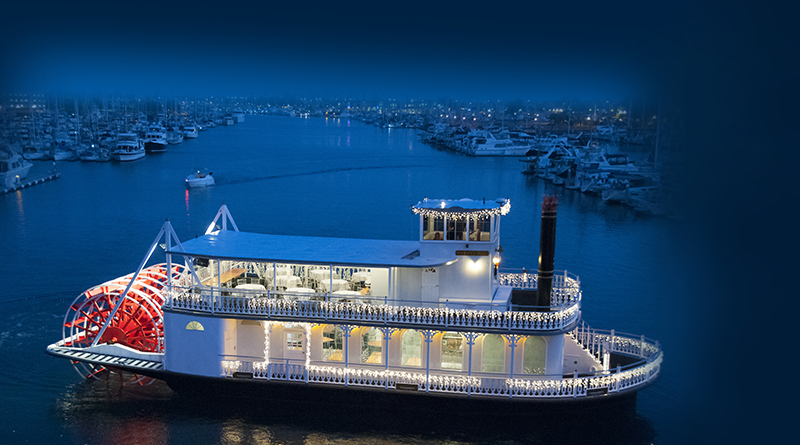
While you’re decking the halls this holiday season, take a moment to imagine a ship on the open sea, its lanterns glowing like stars, its crew singing carols under the moonlight. In the words of Dickens himself, may it fill you with “an overflowing cup of Christmas cheer” and the enduring joy of the season.