New regulations prohibit certain shark-targeting gear from beaches, piers, and other shore-based locations in an effort to protect white sharks and reduce the risk of shark interactions with swimmers.
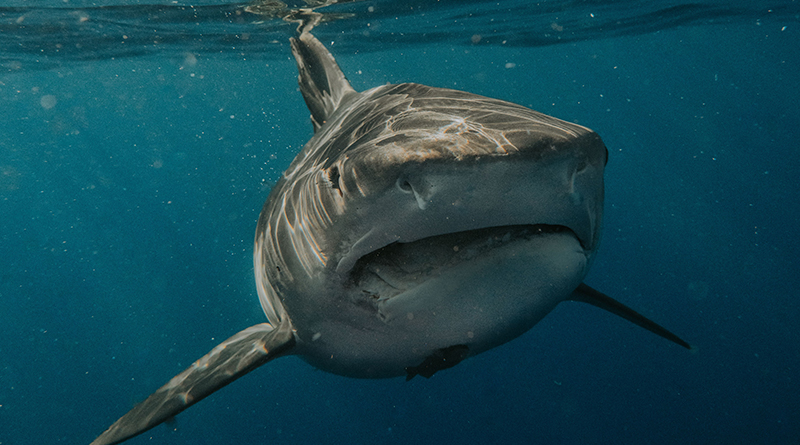
Southern California anglers who target large sharks from beaches and piers will soon face new temporary fishing restrictions after the California Fish and Game Commission approved emergency regulations designed to protect white sharks (i.e., Carcharodon carcharias, great white sharks) and to reduce the potential for dangerous interactions between hooked sharks and ocean users.
The emergency action, approved during the Commission’s June meeting, comes as scientists anticipate an increase in juvenile white sharks along the Southern California coast due to warmer El Niño ocean conditions. Forecasts indicate that elevated ocean temperatures are expected to shift the sharks’ preferred range north from Mexico and keep them in California’s nearshore waters later into the year.
According to John Ugoretz, Pelagic Fisheries and Ecosystem Program Manager for the California Department of Fish and Wildlife’s Marine Region, the emergency action followed a combination of recent fishing incidents, public safety concerns and environmental conditions expected to bring more white sharks into Southern California’s nearshore waters.
“There have been a series of high-profile news media and social media posts in recent months with anglers catching white sharks from Southern California beaches,” Ugoretz said. “In one event, at least 20 white sharks were taken from a pier in a single day.”
Ugoretz said those reports were considered alongside previous incidents involving hooked sharks near beachgoers.
“In 2014, a swimmer was bitten by a white shark being fought on a line from a pier,” Ugoretz said. “The potential for another tragic event like that, or for a swimmer to be harmed by a steel leader connected to a several-hundred-pound shark in the water, is a serious concern.”
CDFW was also informed of three dead white sharks with injuries consistent with trauma caused by fishing tackle, according to Ugoretz.
The new regulations prohibit recreational anglers from using hooks larger than 1.5 inches, measured by maximum inside measurement, and wire or other metallic leaders or lines while fishing from shore or within 1,000 yards of the shoreline from Pigeon Point in San Mateo County south to the U.S./Mexico border.
The restrictions apply to anglers fishing from beaches, piers, jetties, breakwaters, docks and other man-made structures connected to shore.
Ugoretz said El Niño conditions also played a role in the timing of the emergency regulations.
“NOAA has indicated that El Niño conditions are present and has forecasted a strong to very strong El Niño through the summer,” Ugoretz said. “During warm water events like El Niño, the preferred range for juvenile white sharks moves northward from Mexico, and more sharks are present in Southern California.”
He said those factors led state officials to move forward with emergency regulations before summer beach crowds and fishing activity increased.
For many Southern California anglers, the regulations primarily affect those specifically targeting large sharks from the surf or public piers using heavy tackle equipped with large hooks and wire leaders. Anglers fishing for species such as surfperch, corbina, halibut, croaker and other common inshore fish using conventional tackle are unlikely to be affected.
The Commission said the emergency action is intended to reduce the likelihood that protected white sharks become accidentally hooked close to popular beaches where swimmers, surfers and paddleboarders recreate.
When a large shark is hooked from shore, it may remain close to the beach for an extended period while being fought, increasing the potential for interactions with nearby ocean users.
White sharks are already protected under California law and may not be taken recreationally or commercially.
Unless extended, the emergency regulations will remain in effect for 180 days after being filed with the Secretary of State. The Commission may approve up to two additional 90-day extensions while evaluating whether the restrictions should become permanent through the regular rulemaking process.
What It Means for Anglers
While most recreational anglers won’t need to change how they fish, those who specifically target large sharks from shore will likely need to adjust their tackle.
The restrictions do not prohibit shark fishing altogether, but they do eliminate some of the heavy-duty gear commonly used to target larger shark species from beaches and piers in Southern California.
Ugoretz said CDFW does not view the emergency regulations as a step toward eliminating legal shore-based shark fishing.
“The purpose of the regulations is to both further protect white sharks from illegal fishing and to help prevent another incident between a hooked shark and people in the water,” Ugoretz said. “The regulations are actually a way to continue to allow legal fishing, while limiting fishing gear designed to target white sharks.”
According to Ugoretz, anglers can still catch a variety of legal shark species without the gear now restricted under the emergency regulations.
“Anglers can, and do, catch a variety of legal shark species using hooks smaller than 1.5 inches in inside measurement, which is about a 14/0 circle hook or larger, and without wire or metallic lines or leaders,” Ugoretz said.
For anglers who legally fish for shark species from shore, the most noticeable change will likely involve leaders.
“The biggest change will be to stop using wire or metallic leaders, which are sometimes used for species like leopard sharks, thresher sharks, and other sharks,” Ugoretz said. “While this will mean that some large sharks may break off, the majority of legal fishing will still be possible.”
Boaters fishing offshore are not the primary focus of the emergency regulations, which are aimed at shore-based fishing occurring near heavily used beaches.
Ugoretz said CDFW will use the 180-day emergency period to evaluate whether the regulations are effective.
“During that time, the Department will determine if the regulations were effective and if any changes are needed prior to considering if renewing the emergency regulations or seeking any permanent regulations is necessary,” he said.
Other Commission Actions
In addition to the emergency shark regulations, the Commission recognized two prosecutors for their efforts protecting California’s natural resources.
San Luis Obispo County Deputy District Attorney Ken Jorgensen and San Diego County Deputy District Attorney Michael McCann received the Commission’s 2025 Prosecutor of the Year Award for their work prosecuting wildlife crimes, including illegal commercial fishing violations, habitat destruction and international wildlife trafficking.
The Commission also voted to designate the southern resident killer whale as a candidate for protection under the California Endangered Species Act.
The population, which ranges from British Columbia to California, is estimated to have declined to approximately 75 individuals. State wildlife officials will now conduct a yearlong status review before the Commission considers whether to formally list the whales under state law. Southern resident killer whales are already protected under the federal Endangered Species Act.
The Commission also announced that discussions on proposed regulations allowing the recreational use of harpoons and flying gaffs in California’s tuna fishery will continue later this summer. A discussion hearing is scheduled for the Commission’s meetings on Aug. 12 and 13, followed by a potential adoption hearing in October.
For Southern California anglers, those proposed tuna regulations may become another closely watched issue as offshore bluefin and yellowfin fishing continues to grow in popularity.