Annual campaign highlights preparedness, awareness, and responsibility on the water.
As Southern California’s harbors begin to fill and offshore conditions draw anglers and cruisers back onto the water, an annual campaign is reminding boaters that preparation is just as important as the trip itself.
National Safe Boating Week, observed this year, May 16 through 22, serves as the official kickoff to the summer boating season and the broader Safe Boating Campaign, a year-round initiative led by the National Safe Boating Council (the Council). Timed to lead into Memorial Day weekend, the effort is designed to promote responsible boating practices and reduce accidents through education, awareness, and simple but critical habits.
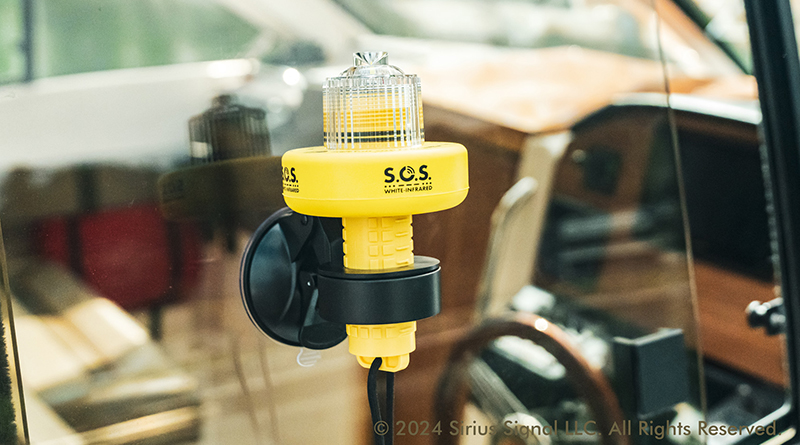
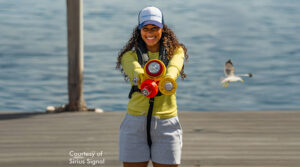
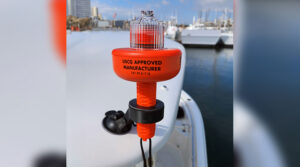
Visual distress signals remain another critical component, though the conversation around them is evolving. While traditional pyrotechnic flares are still widely used, many boaters are beginning to explore electronic visual distress signals, or eVDSDs, which offer longer lifespans, reusability, and safer storage. However, regulations vary, and not all electronic options fully replace flares in every scenario, making it important for boaters to understand current compliance requirements.
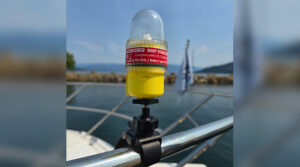
That shift toward modern signaling technology aligns closely with the broader goals of National Safe Boating Week, which emphasizes preparedness, reliability, and reducing unnecessary risk on the water. Anthony Covelli, CEO of Sirius Signal, noted that electronic distress signaling represents a meaningful advancement in both safety and environmental impact. “Electronic flares flash the SOS pattern for hours rather than the seconds a flare lasts,” Covelli said, adding that LED-based systems eliminate the need to handle burning pyrotechnics while providing a more consistent signal in an emergency.
He also pointed out that one of the key advantages is reliability before leaving the dock. Unlike traditional flares, which cannot be tested without being expended, electronic distress signals can be checked in advance to ensure they’re functioning properly. “You can check an electronic SOS flare before you ever leave the dock,” he said, reinforcing the importance of preparedness as a core message of the campaign.
In addition to safety improvements, Covelli highlighted the environmental benefit of reducing reliance on disposable flares, noting that millions of pyrotechnic devices have historically entered the waste stream. As more boaters look to modernize their safety equipment, these factors are becoming part of the broader conversation around responsible boating practices.

That conversation also extends beyond equipment and into how vessels are maintained and operated. Dave Sell, President of Integrated Marine Systems in Orange, California, brings a hands-on perspective from the service and technology side of the industry. His company specializes in marine electronics, advanced control systems, and vessel integration solutions that enhance both performance and safety on the water.
From his vantage point, many of the issues he sees are preventable. “Proper preparation before heading out is key,” Sell said. “Make sure passengers know who the captain is and are properly briefed on the location of life jackets, floatable cushions, and safety equipment.” He added that experience plays a critical role in avoiding problems before they escalate. “Proper boat handling skills are vital to a safe experience on the water. Practice under all conditions so you understand how your boat reacts in challenging situations.”
Sell also pointed to several pieces of safety equipment that are often overlooked or not maintained as they should be. “Things like docklines, fire extinguishers, and fire alarm systems are commonly neglected,” he said, emphasizing that even basic equipment needs regular attention. He recommends that boaters take advantage of free vessel safety checks offered by the U.S. Coast Guard Auxiliary as part of their routine preparation.
At the same time, advancements in onboard technology are reshaping how boaters approach safety, particularly when it comes to situational awareness and control. Sell noted that many operators are unaware of the systems now available to them. “We offer solutions that dramatically improve the safety of handling and docking your boat,” he said. “From full 360-degree surround views to complete wireless control systems that allow you to move freely around the vessel, these technologies are game-changers.”

As boating traffic increases during the summer season, these tools can provide an added layer of confidence, especially in tight harbor environments or crowded anchorages. Integrated Marine Systems offers consultations to help boaters better understand and implement these upgrades.
For those preparing for the season ahead, Sell emphasized the importance of a comprehensive pre-trip and pre-season approach. “Get a free safety inspection from the Coast Guard Auxiliary and follow their recommendations,” he said. “And make sure your marine electronics are functioning properly and that you know how to use them.”
Ultimately, his advice aligns closely with the core message of National Safe Boating Week. “Preparation is a serious matter,” Sell said. “Respect the sea and don’t underestimate it. As the owner and captain, you are responsible for the safety of everyone onboard. Create a checklist, follow it, and maintain your vessel properly using qualified professionals.”
For readers looking to learn more about marine safety systems, electronics, and vessel upgrades, Sell encourages boaters to visit Integrated Marine Systems or go directly to www.integratedmarinesys.com to explore available services and connect with their team.
For the Council, the week represents more than a seasonal reminder. It’s a coordinated effort to reinforce safety habits at a time when more people are returning to the water.
“National Safe Boating Week takes place during the full week leading up to Memorial Day Weekend, which is considered the traditional start of recreational boating season in the U.S.,” according to the Council. “The goal of the Safe Boating Campaign, both during National Safe Boating Week and year-round, is to promote safe and responsible boating behaviors with a primary focus on encouraging life jacket use.”
While the concept may sound straightforward, the message behind it carries weight. Across the country, many boating-related accidents are preventable, often tied to lapses in preparation, lack of safety equipment, or poor decision-making on the water. National Safe Boating Week aims to address those gaps before the season reaches its peak.
At the state level, California State Parks’ Division of Boating and Waterways reinforces that same message with a focus on practical, everyday habits. Kevin Murphy, Information Officer I for Communications and Marketing at the Division of Boating and Waterways, described the week as a critical starting point for the season. “National Safe Boating Week is the official launch of the summer boating season and a nationwide reminder that safety is the foundation of every great day on the water,” Murphy said.
For DBW, the week serves as an opportunity to connect with both new and experienced boaters across California. “This week represents an opportunity to reach new and experienced boaters alike with simple, proven safety messages such as the importance of wearing life jackets, boating sober, taking a safe boating course and getting a California Boater Card, and being prepared for changing conditions on the water,” he added.
At the center of the campaign is a focus on awareness and routine. Boaters are encouraged to revisit the fundamentals, from wearing life jackets to understanding weather conditions and ensuring vessels are properly equipped.
The Council emphasizes that the campaign is ultimately about building consistency in those habits. “Each year, we hope boaters walk away with a renewed sense of responsibility,” the Council stated. “If every boater makes small, consistent safety choices, we will continue to see a meaningful reduction in injuries and fatalities on the water.”
In many ways, National Safe Boating Week serves as a seasonal reset, an opportunity for boaters to step back, evaluate their readiness, and approach the water with a renewed focus on safety.
The start of the summer boating season is often measured by activity on the water, but it’s equally defined by preparation behind the scenes. National Safe Boating Week highlights the practical steps that support safer operations as traffic increases along the coast.