For boaters, owning a vessel is only half the story. The other half is finding a place to put it. Along the West Coast — from the cruising harbors of Costa Rica to the islands of Hawaii and the fjords of Alaska — slips are more than simple parking spaces on the water. They’re lifelines, hubs of community, and, increasingly, highly competitive real estate.

Along with the publishing of The Log’s annual Slips Guide, the most comprehensive directory of marinas from Costa Rica to Alaska, it’s worth taking a closer look at the realities of securing a slip today. From matching boat size to berth, to navigating seasonal demand, to weighing the importance of amenities, slip selection has become both more complex and more essential to a boater’s experience. Add in the pressures of redevelopment and limited availability in many West Coast harbors, and the question of where to moor one’s boat has never been more relevant.
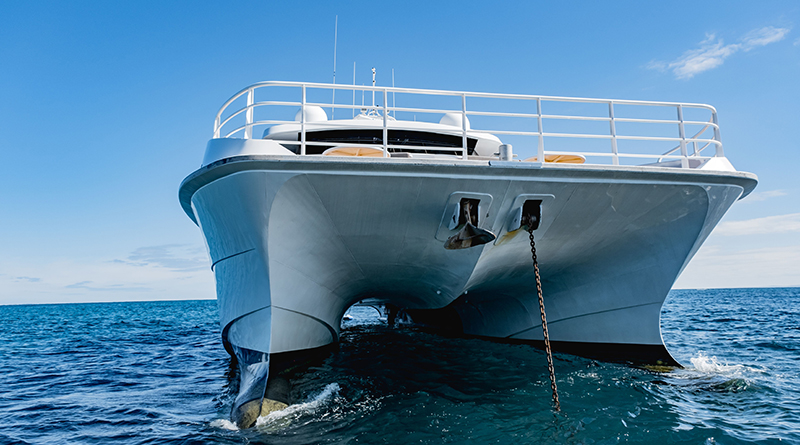
Securing the perfect slip begins with understanding your boat’s specific needs. The most obvious factor is size. Slips are measured by length, but beam (vessel width) can matter just as much. Some slips are designed for narrow sailboats, while others accommodate beamier powerboats or catamarans. A boat that’s technically short enough may still be too wide for a given berth. So, measuring carefully and confirming fit with marina staff is essential.
Placement within the marina can also make a difference. End ties, for instance, are often prized for their easier maneuverability: no tight turns into narrow fairways. But this can also expose a boat to more wake and weather. Inside slips may offer more protection but require more skillful docking. Power and water hookups vary too. Some slips provide only basic shore power, while others offer upgraded 30- or 50-amp service, a necessity for larger cruisers and yachts running multiple systems. Water hookups, dock boxes, and even pump-out access can affect the daily convenience of a slip.
Veteran slip holders recommend asking key questions before signing a lease. How long is the waiting list, and is there a chance of being moved to a different slip later? Are there rules about liveaboards, subletting, or slip transfers? What is included in the monthly rate, and what comes at an additional charge? The more a boater understands up front, the fewer surprises await down the dock.
Beyond the basics of fit and location, timing also plays a role in securing a slip. Demand fluctuates seasonally, and nowhere is that more evident than along the Pacific coastline.
In Alaska, slips fill quickly during the brief summer cruising season, when boaters from across the region converge on harbors to access salmon runs, halibut grounds, and sightseeing tours. By late fall, demand wanes as boats are hauled out or stored for the winter. Contrast that with Costa Rica, where slips are in demand year-round thanks to warm weather, international sportfishing, and luxury tourism.
Southern California occupies a middle ground, with peak demand tied to summer months, holiday weekends, and the late summer fishing season. Harbors like San Diego, Newport Beach, and Marina del Rey experience surges in transient slip requests as boaters make their way along established cruising routes. Farther north, in the Pacific Northwest, slips can be harder to secure in summer when boaters head out to the San Juan Islands, while winter rains see lighter marina activity.
For long-distance cruisers and seasonal “snowbirds” who migrate south in winter, transient slip strategies become essential. Many marinas allow advance reservations, but availability is rarely guaranteed. Planning months in advance is advisable, particularly in high-demand regions like Cabo San Lucas, San Diego, and Honolulu, where slips are limited and waitlists are common.
In recent decades, slips themselves have evolved from utilitarian moorage into gateways to an entire lifestyle. Today’s marinas often serve as destinations in their own right, offering amenities that rival resorts.
Restaurants and dockside dining are among the most visible upgrades. In marinas from Long Beach to La Paz, boaters can tie up and walk directly to a meal, turning a day on the water into an evening out without ever leaving the harbor. Fitness centers, yacht clubs, and social spaces are also becoming standard in larger marinas, giving slip holders access to facilities that go well beyond power and water hookups.
Connectivity matters too. Wi-Fi is no longer a perk but an expectation, particularly for liveaboards and remote-working cruisers. On the practical side, amenities such as fuel docks, chandlers, and repair yards are increasingly bundled into marina complexes. Some marinas now offer concierge services, on-site provisioning, or even mobile apps that allow boaters to manage reservations, pay fees, and schedule maintenance remotely.
This rise of amenities has transformed slip selection. For some boaters, proximity to restaurants and social life is a priority; for others, having a reliable repair yard or haul-out facility is more important. Either way, amenities often tip the scale in choosing one marina over another.
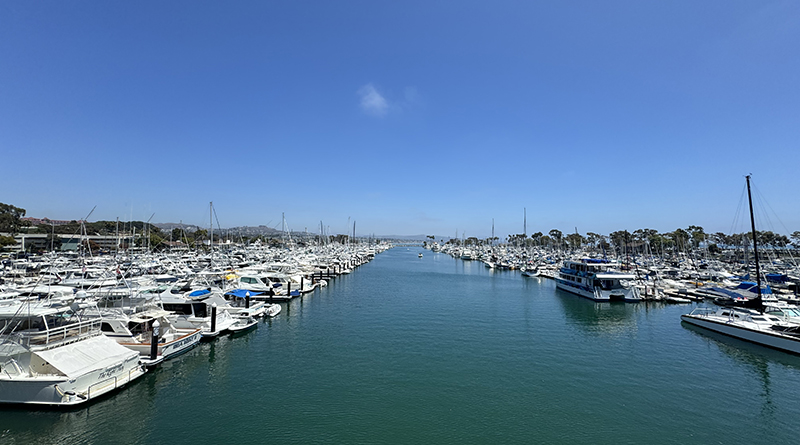
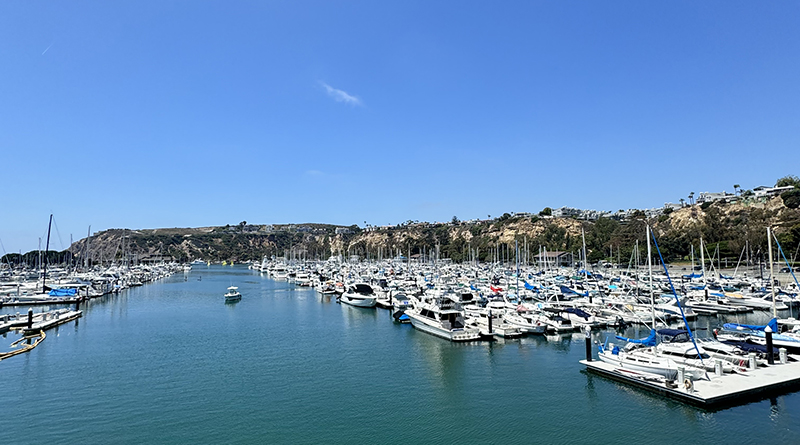
As desirable as slips have become, they are also increasingly scarce. Coastal redevelopment and limited waterfront space are reshaping the availability of marina berths across the West Coast. Dana Point Harbor’s ongoing revitalization, for example, has involved relocating tenants and reconfiguring slips, creating short-term challenges but long-term opportunities for modernized facilities. In San Diego, slip demand continues to rise alongside the popularity of waterfront living and tourism, leading to waiting lists at many marinas. Newport Harbor has faced similar pressures, with redevelopment sparking debates over how to balance public access, private investment, and boater needs.
This trend is not confined to Southern California. In Hawaii, marinas are few and heavily utilized, making slip access highly competitive. Along the Pacific Northwest, limited new development has meant that demand often outpaces supply. Even in Mexico and Costa Rica, where large marina projects have been built in recent years, luxury demand has created pricing tiers that can leave budget-conscious boaters with fewer options.
The result is that slips are increasingly seen not only as conveniences but as valuable assets. Waiting lists in some harbors stretch for years, and costs reflect the demand. Boaters seeking long-term slips often find themselves planning years in advance, while transient boaters must be flexible and persistent to secure short stays.
For boaters, the path forward requires both preparation and adaptability. Securing the right slip involves more than measuring length and beam; it means asking the right questions, planning for seasonal shifts, weighing the importance of amenities, and acknowledging that supply may not always meet demand.
For marinas, the challenge lies in balancing tradition and innovation. Boaters still need reliable power, water, and safe moorage, but they increasingly expect Wi-Fi, restaurants, and fitness facilities. At the same time, redevelopment and limited waterfront space demand difficult decisions about how slips are allocated and priced.
In the end, slips remain central to the boating lifestyle. They are the places where adventures begin and end, where communities gather, and where boats find safe harbor. Whether in the bustling harbors of Southern California, the remote marinas of Alaska, or the tropical waters of Costa Rica, the search for the perfect slip is a constant thread uniting boaters across the Pacific.
And as demand continues to grow, securing that perfect slip may prove to be just as important and rewarding as the journey itself.