Recent swell events across Southern California serve as a reminder that wave conditions can influence everything from offshore fishing success to harbor safety.
As a series of swells moved through Southern California in recent weeks, boaters and anglers were once again reminded that wave conditions can influence far more than the comfort of a ride offshore.
While many fishermen focus on water temperature, bait concentrations, and fish counts when planning a trip, experienced anglers often pay just as much attention to swell forecasts. Swell height, direction, and period can affect fish behavior, water clarity, water temperature, harbor conditions, and even a vessel’s ability to safely reach the fishing grounds.
Understanding how swell affects the marine environment can help anglers make better decisions before leaving the dock and, in some cases, improve their chances of finding fish.
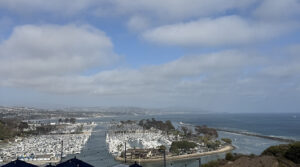
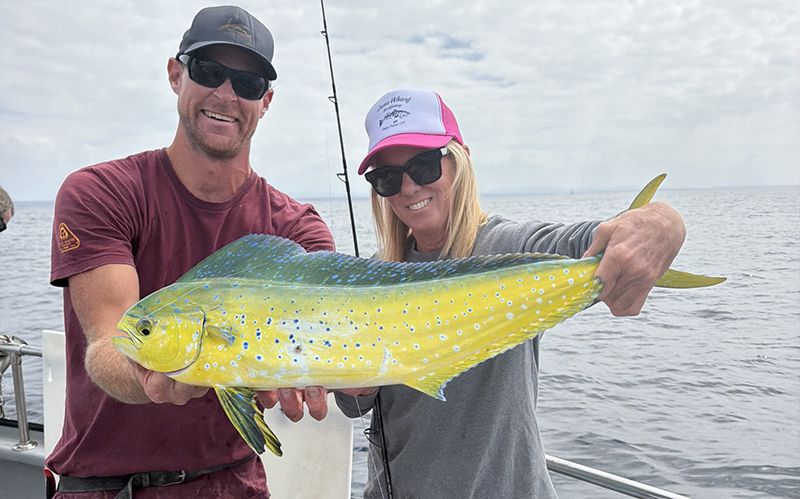
Offshore, swell can often be a positive factor. Large-scale swell events help move surface water across the ocean, and when that water is warm, it can transport favorable conditions for pelagic species. Tuna, yellowtail, dorado, and other offshore gamefish are frequently associated with warmer water masses, temperature breaks, and areas where baitfish concentrate.
A moderate swell can help push these conditions through the offshore zone, creating opportunities for anglers. Long-period swells also tend to produce large rolling seas that may appear intimidating but are often easier to navigate than shorter-period wind chop because the waves are spaced farther apart.
That doesn’t mean bigger is always better. Excessive swell can make it difficult to fish effectively, particularly when drifting over kelp paddies or trying to stay positioned over offshore structure. Boats may spend more time adjusting their drift and less time presenting baits or lures in productive water.
Closer to shore, however, the story often changes.
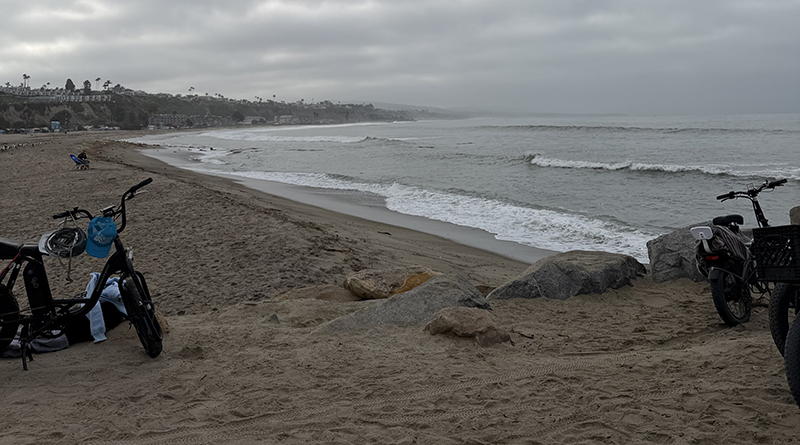
Inshore and harbor anglers frequently see the downside of larger swells. As waves break across beaches, reefs, and shallow structure, they churn up sand and sediment, dramatically reducing water clarity. Many popular Southern California gamefish rely heavily on sight to feed, and dirty water can make locating bait more difficult.
Swell can also affect water temperature near shore. As wave energy mixes the water column, warmer surface water is blended with cooler water from below. The result can be a noticeable drop in nearshore water temperatures, sometimes slowing the bite for species that prefer warmer conditions.
This effect is often most noticeable after a strong south or west swell. Anglers may find that water that was clear and warm one week becomes cooler and off-color the next, particularly around beaches, rocky reefs, and shallow kelp beds.
Calico bass fishermen are especially familiar with these conditions. While a little water movement around kelp structure can be beneficial, too much swell can make the water dirty, reduce visibility, and scatter baitfish. When that happens, bass fishing can become considerably more challenging.
Inside Southern California harbors, large swells can create similar issues. Swell energy wrapping around jetties and harbor entrances often produces surge conditions that move boats around docks and stir up sediment throughout shallow basins. Water that was previously clear can quickly become murky, and fish frequently relocate to calmer areas with better visibility.
Harbor species such as spotted bay bass, halibut, and croaker can still be caught during these periods, but anglers often find themselves adjusting locations and presentations as conditions change.
One area where swell deserves special attention is at harbor entrances. Swells interacting with shallow bars, jetties, and channel entrances can create steep, breaking waves that present hazards for recreational boaters. Conditions that appear manageable offshore can become significantly more dangerous when swell energy encounters shallow water, particularly during lower tides.
For that reason, experienced mariners monitor not only swell height but also swell direction and wave period before departing. A moderate swell from the right direction can have a much greater impact on harbor conditions than many boaters realize.
For many Southern California anglers, the relationship between swell and fishing can be summed up simply: offshore, some swell can help move warm water and create favorable conditions for pelagic species; inshore, too much swell often dirties and cools the water, making fishing more difficult.
As Southern California enters the heart of the summer fishing season, recent swell activity serves as a reminder that understanding the ocean extends beyond locating fish. Knowing how swell influences water movement, temperature, visibility, and safety can be just as valuable as knowing where the fish were biting yesterday.