Long before coastal harbors glowed with parade lights and marina gatherings became part of California’s holiday season, Christmas at sea was a quieter and far more rugged affair. Ship logs from the seventeen hundreds through the eighteen hundreds reveal how whalers, merchant sailors, and naval crews marked the holiday while thousands of miles from home. Their traditions were simple, improvised, and often shaped by whatever a vessel had on hand, yet they carried the same spirit of warmth and camaraderie that boaters still celebrate today.
Life aboard a whaling ship or merchant vessel during the age of sail was harsh even in good weather. Crews worked long and dangerous hours, food stores were limited, and the ocean offered few comforts. Still, as December approached, sailors looked for opportunities to create a sense of home. Many logs describe small acts of festivity that transformed a working ship into a floating holiday gathering, even if only for a few hours.
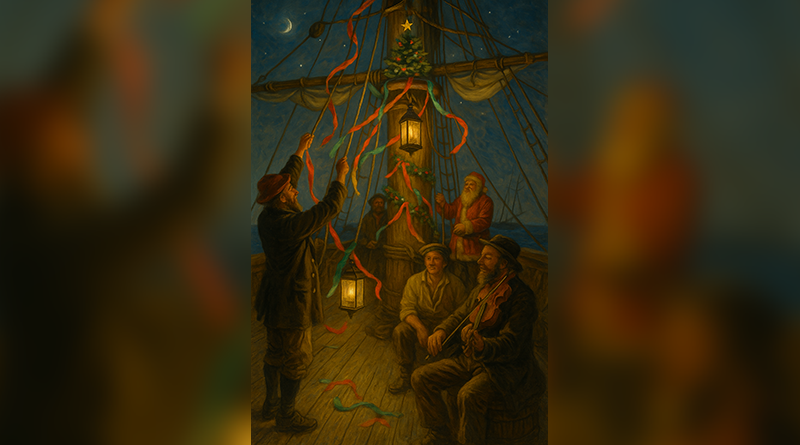
One of the most common traditions was decorating the mast. Without greenery or manufactured ornaments, crews used whatever they could find. Scraps of ribbon, spare rope, extra canvas, and even bits of colored cloth saved from repairs were tied around the masthead. These modest decorations fluttered against the winter sky and gave the ship a rare bright touch. For men who had spent months staring at the same swaying rigging, it offered a moment to pause and remember the season.
Gift giving also took on a nautical creativity. Sailors often stitched handmade presents out of canvas, sailcloth, or scrap fabric. Items ranged from small ditty bags to simple pouches for tools or tobacco. A few logs mention miniature flags sewn from leftover bunting or decorative knots tied with care. Although these gifts lacked any fine materials, they were deeply meaningful. Each one represented hours of work squeezed between grueling watches.
Music played another important role. Sailors gathered on deck or in the cramped confines of the forecastle to sing carols they remembered from home. Fiddles, tin whistles, and occasional concertinas provided accompaniment when a musician was aboard. Their songs were carried by the wind and blended with the steady creak of the ship, becoming part of the holiday soundscape. For crews who spent many months without hearing anything but waves and rigging, the music brought real comfort.
Food, however humble, was central to every floating Christmas. Most ships lacked fresh ingredients, so holiday meals depended on what the cook could salvage from the galley. Dried fruit, if it had not spoiled, was reserved for the season. Molasses biscuits were common, and sailors often spoke of these treats with surprising enthusiasm. They were simple, dense, and sweet enough to break the monotony of salted meat and hard biscuits.
One whaler recorded a Christmas dinner that consisted of salt pork and hardtack softened in tea. The crew shared a single bottle of rum among thirty men. Although modest, he described it as a feast by ocean standards, made special only because it was gathered around in good spirits with shipmates who had endured months of hardship together. The moment was not about abundance but about gratitude and fellowship.
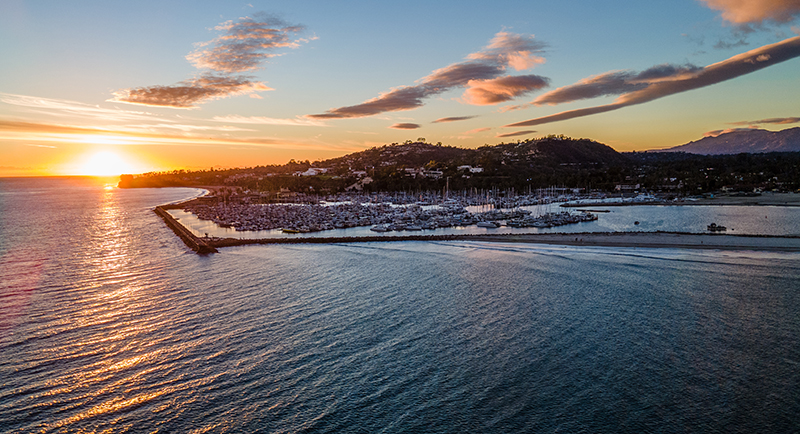
These early maritime Christmas traditions offer a striking contrast to the celebrations boaters enjoy today, with decorated slips, catered gatherings, and holiday cruises. Yet the heart of the season remains the same.
Whether aboard a wooden whaler in the Pacific or a modern cruiser tucked safely into a Southern California marina, sailors have always found ways to make the holiday meaningful. They come together, share a meal, exchange small gifts, sing, and take comfort in the company of others who understand life on the water.
The next time you walk through a festive harbor or decorate your boat for a parade, it’s worth remembering the sailors who celebrated under far rougher circumstances. Their floating Christmases were simple and often improvised, but they captured the very thing that makes the holiday special. Even in the most remote corners of the ocean, a sense of community found its way across the waves.