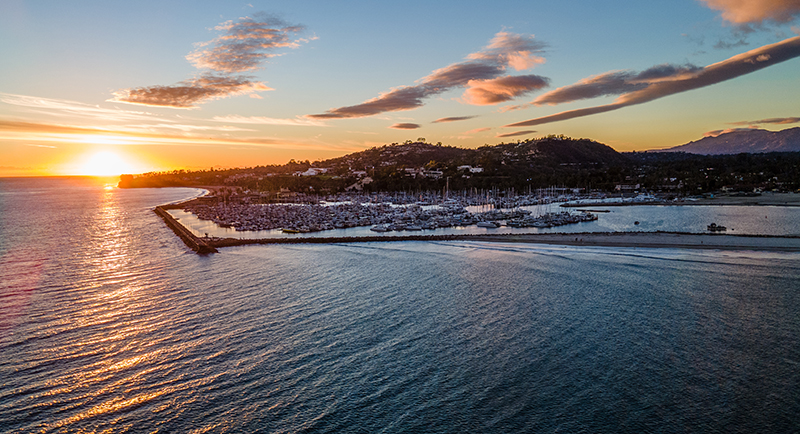
What boaters often call “bad weather” has less to do with personal preference and more to do with disruption; disruption to safety, schedules, and the predictable rhythms of the ocean. We tend to label weather as good or bad based on how well it fits human plans, safety, and convenience, not whether someone personally likes it. For boaters in Southern California, the current stretch of strong winds and heavy rain is a clear example of how quickly conditions can shift from routine to risky, especially along the coast and inside harbors.
Rainstorms don’t just fall from the sky and disappear. They change the ocean in immediate and measurable ways, particularly in nearshore waters where most recreational boating takes place. Understanding what happens during and after storms — and knowing how to read the warning flags posted in harbors — can help boaters make better decisions about when to go, when to wait, and how to stay safe.
Heavy rain sends large volumes of freshwater from rivers, creeks, and storm drains into the ocean. Because freshwater is less dense than saltwater, it spreads across the surface in visible plumes that can extend miles offshore. These plumes temporarily reduce salinity near the coast and disrupt normal mixing patterns. For boaters, this can mean unusual surface currents, debris in the water, and altered handling characteristics, particularly in smaller vessels.
Stormwater runoff also carries nutrients such as nitrogen and phosphorus from streets, landscaping, agriculture, and urban areas. In modest amounts, these nutrients can fuel plankton growth and support the marine food web. When delivered in excess, however, they can trigger harmful algal blooms that cloud the water, reduce oxygen levels, and stress fish and invertebrates. These effects may not be immediately visible from the cockpit, but they can influence water quality and marine life for days or weeks after a major storm.
Another noticeable change following rainstorms is reduced water clarity. Runoff transports fine sediments into the ocean, creating turbid, brown or green water near shore. This sediment limits sunlight penetration, which affects kelp forests and seagrass beds that rely on photosynthesis. For boaters, poor visibility can make it harder to spot hazards, read water conditions, or judge depth changes, especially near river mouths and harbor entrances.
Pollutants also hitch a ride during storms. Oil residues, heavy metals, bacteria, and microplastics wash into coastal waters as rain flushes urban surfaces. This is why public health agencies typically recommend avoiding ocean contact for at least 72 hours after heavy rainfall. While this advice is often framed for swimmers and surfers, boaters should also be aware that contaminated water can affect crew health, foul decks and gear, and create unpleasant conditions onboard.
Wind is another defining feature of Southern California winter storms. Strong onshore and offshore winds generate larger waves, steeper chop, and more powerful currents. These conditions can reshape beaches through erosion, move sandbars, and create challenging bar crossings at harbor mouths. Inside the water column, wind-driven mixing can cool surface waters and redistribute oxygen and nutrients. For vessels underway, this often translates to rough rides, unpredictable gusts, and increased strain on engines and rigging.
Marine life responds quickly to these storm-driven changes. Some fish move offshore to avoid turbid water, while others take advantage of nutrient-rich plumes that concentrate prey. Seabirds often feed aggressively in the aftermath of storms as baitfish are stirred up. Over time, repeated storm events can influence spawning success, habitat quality, and species distribution. While these ecological shifts are a natural part of coastal systems, they reinforce why storms are considered “bad weather” from a boating safety standpoint: conditions are dynamic, unsettled, and harder to predict.
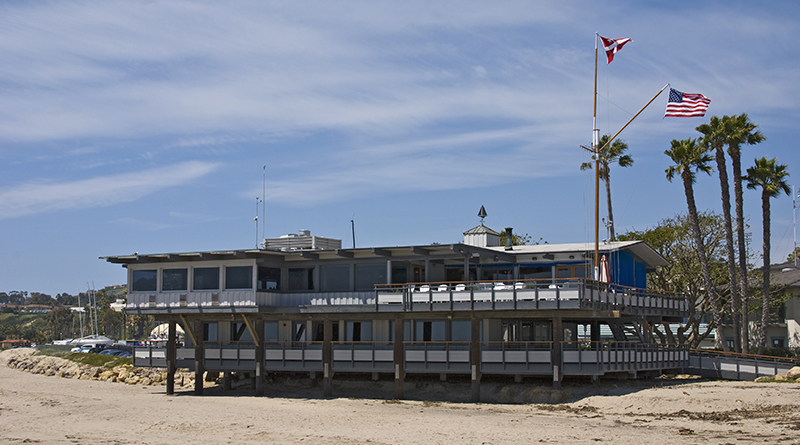
This is where maritime warning flags come into play. Long before marine weather apps and VHF forecasts, flags were used to communicate conditions and hazards visually. Today, they remain a critical safety tool, especially in harbors where flags provide an immediate snapshot of current or impending weather risks.
Maritime flags matter because they offer clear, standardized warnings that do not rely on electronics. A boater walking down the dock can quickly assess conditions by looking at the flagstaff. These signals are not decorative; they’re advisories meant to protect life and property. Understanding them is as essential as knowing where your life jackets or fire extinguishers are stored.
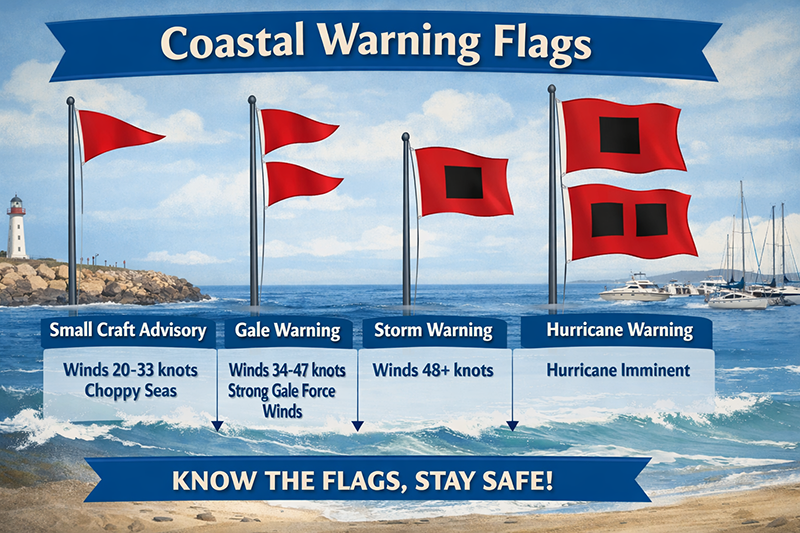
One of the most common flags boaters encounter during Southern California storms is the Small Craft Advisory flag. This advisory is indicated by a single red pennant. When you see it flying in a harbor, it means conditions outside — and often inside — are hazardous for smaller vessels. Small Craft Advisories are typically issued when sustained winds range from about 20 to 33 knots, or when seas are steep and choppy enough to make handling difficult.
While a Small Craft Advisory does not legally prohibit boating, it’s a strong signal to reconsider your plans. Many incidents occur not because boaters ignore forecasts, but because they underestimate how quickly conditions can deteriorate. If the red pennant is flying, delaying your trip is often the safest and smartest choice. If you must go out, it’s critical to plan conservatively, stay close to protected waters, and remain alert for sudden changes.
More severe conditions are indicated by additional flags. Two red pennants flown together signal a Gale Warning, which corresponds to winds between 34 and 47 knots. At this level, even experienced boaters face significant risk, and most recreational vessels should remain in port. A Storm Warning is marked by a single red flag with a black square in the center, indicating winds of 48 knots or higher.
These conditions can cause serious damage to boats and infrastructure and pose life-threatening hazards. Two red flags with black squares denote a Hurricane Warning, used only when a hurricane or hurricane-force conditions are imminent.
Understanding these flags allows boaters to respond appropriately rather than reactively. Seeing a red pennant or storm flag should prompt immediate evaluation of your plan. Are you in a protected slip? Are lines properly set for surge? Is canvas secured? Are bilge pumps operational? Storm preparation is not just about avoiding outings; it’s also about protecting your vessel while it’s docked.
When a Small Craft Advisory is posted, staying informed is key. Monitoring marine forecasts, NOAA weather radio, and VHF channels provides context beyond the flag itself. Conditions may worsen or improve faster than expected, and flags are often updated as forecasts change. Adjusting routes, shortening trips, or postponing departures can prevent situations from escalating into emergencies.
Safety equipment becomes especially important during stormy periods. Life jackets should be readily accessible, radios fully charged, and signaling devices in working order. Heavy weather places additional stress on boats and crews, and redundancy matters. A quick pre-departure check — even if you’re only planning a short harbor transit — can make a critical difference.
Best practices also include knowing how flags should be displayed on your own vessel if required and understanding the International Code of Signals. While most recreational boaters will not use signal flags routinely, familiarity with distress and warning signals adds another layer of preparedness, particularly if electronic communication fails.
Education plays a central role in all of this. Many boating incidents during storms are not the result of reckless behavior, but of incomplete knowledge. Boater education courses cover weather interpretation, flag recognition, navigation rules, and emergency procedures, helping operators understand not just what the warnings mean, but why they matter.
The bottom line is that rainstorms are powerful ocean shapers. They refresh and fertilize coastal systems, but they also introduce hazards that directly affect boating safety. The strongest impacts are usually near shore and short-lived, yet large storms can leave lasting marks on coastlines, harbors, and infrastructure. For boaters, recognizing that “bad weather” is about disruption — not preference — helps frame better decisions.
When Southern California’s harbors fly red pennants and storm flags, they’re sending a clear message. The ocean has shifted into a different mode, one that demands caution, patience, and respect. Understanding how storms affect the water — and knowing how to read the warnings posted at the dock — can help ensure that when the weather does calm, both boaters and their vessels are ready to enjoy it safely again.