Long Beach Harbor is one of Southern California’s most complex and compelling waterfronts, a place where global commerce, recreation, and maritime tradition have coexisted for more than a century. From world-class shipping terminals to neighborhood marinas and quiet stretches of open water, the harbor reflects the city’s layered history and its evolving relationship with the sea.
The story begins in the late 1800s, when Long Beach was still a small seaside town. Natural anchorage and calm coastal waters made the area attractive to fishermen, boat builders, and early recreational boaters. The real transformation began in the early 20th century with the construction of breakwaters and port infrastructure that would eventually give rise to the modern Port of Long Beach. Today, the port is one of the busiest container ports in the world, a critical gateway for international trade and a major economic engine for the region.
Yet even as cargo ships and cranes came to dominate the skyline, Long Beach never lost its recreational boating roots. Instead, the harbor grew outward and diversified. Protected waters behind the breakwaters created ideal conditions for marinas, sailing programs, sportfishing operations, and waterfront neighborhoods. This balance between industry and recreation remains one of Long Beach Harbor’s defining characteristics.
On the eastern side of the harbor, Alamitos Bay serves as the heart of the city’s small-boat and sailing community. Surrounded by Naples Island, Belmont Shore, and Seal Beach, the bay is home to multiple marinas, yacht clubs, rowing programs, and launch ramps. Its calm waters support everything from youth sailing lessons and outrigger canoe teams to weekend cruisers and kayak anglers. Alamitos Bay has long been considered one of the best protected boating environments in Southern California, making it a natural entry point for new boaters.
Naples Island itself is a reminder of Long Beach’s early waterfront ambitions. Developed in the early 1900s as a Venetian-style neighborhood, its canals and bridges were designed to celebrate life on the water. Gondolas first appeared here more than a century ago, and the canals remain an iconic part of the harbor’s recreational identity. The neighborhood demonstrates how residential life and boating culture have been intertwined since the city’s formative years.
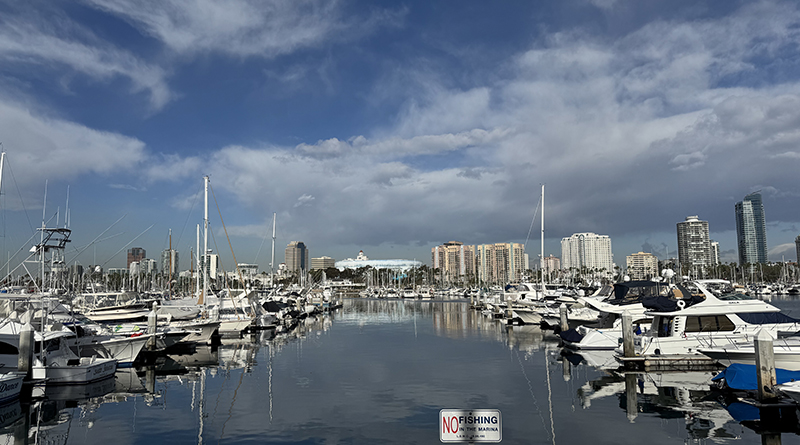
Moving westward, the downtown waterfront reflects a different chapter of harbor history. Rainbow Harbor was redeveloped in the late 20th century as part of Long Beach’s broader effort to reconnect the city to its shoreline. Today, it serves as both a marina and a gathering place, bordered by Shoreline Village, waterfront parks, and cultural attractions. Pleasure boats share the water with harbor tour vessels, paddle craft, and water taxis, reinforcing the harbor’s role as a public space as well as a working one.
Nearby, the Queen Mary stands as one of the most visible symbols of Long Beach Harbor’s maritime heritage. Permanently moored since 1967, the historic ocean liner represents an era when passenger ships defined global travel. Its presence bridges past and present, anchoring the harbor’s identity in a broader seafaring tradition.
West of downtown, the harbor takes on a more industrial character as it merges with the operational footprint of the Port of Long Beach and the neighboring Port of Los Angeles. Tugboats, pilot vessels, and commercial traffic dominate these waters, but recreational boating does not disappear entirely. Sportfishing landings and bait receivers operate alongside cargo terminals, continuing a tradition that predates containerization.
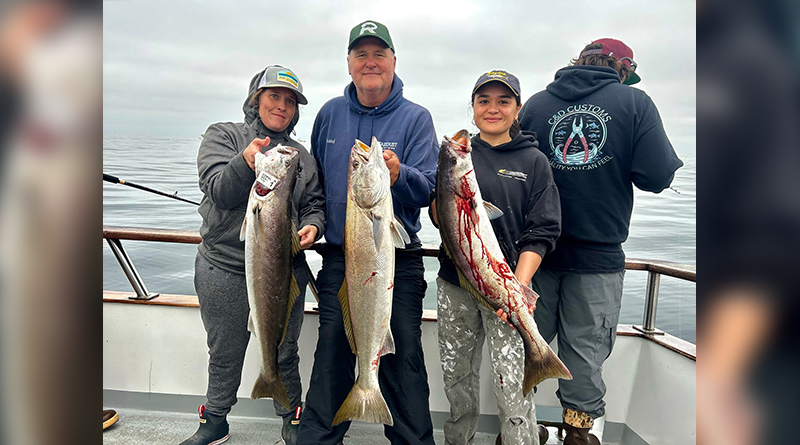
Sportfishing has long been a key component of Long Beach Harbor life. Landings and charter operations have introduced generations of anglers to the Pacific, offering access to local waters, offshore banks, and nearby islands. The harbor’s proximity to Santa Catalina Island has made overnight and island fishing trips a defining part of the local rhythm. Bait barges and tackle shops remain essential links in that ecosystem, supporting both private boaters and commercial sportfishing crews.
Marinas throughout the harbor reflect the diversity of Long Beach’s boating population. From large, full-service facilities accommodating cruising yachts to smaller slips serving skiffs and sailboats, these marinas support a wide range of maritime lifestyles. They are places where liveaboards form tight-knit communities, where families pass down boating traditions, and where newcomers learn the fundamentals of seamanship.
Environmental awareness has become an increasingly important chapter in the harbor’s story. Decades of industrial use brought challenges, but Long Beach has also emerged as a leader in port sustainability and coastal restoration. Clean-air initiatives, habitat projects, and water-quality improvements are reshaping how the harbor functions. Recreational boaters, anglers, and harbor users are now part of broader conversations about stewardship and coexistence.
What makes Long Beach Harbor unique is not any single marina, terminal, or attraction, but the way all of these elements operate together. Few places allow container ships, sailboats, fishing skiffs, historic liners, and gondolas to share the same protected waters. Fewer still have managed to preserve access for everyday boaters while supporting one of the world’s largest ports.
Historically, the harbor has always adapted. It evolved from a shallow anchorage to a global trade hub without abandoning its recreational roots. It expanded industrially while carving out spaces for leisure, culture, and community. That adaptability continues to define its future.
Today, Long Beach Harbor stands as a living timeline of Southern California’s maritime history. It tells a story of ambition and balance, of industry and escape, of global reach and local connection. For boaters, anglers, waterfront residents, and visitors alike, the harbor is more than a backdrop. It is an active participant in daily life, shaping how the city moves, works, and relaxes along the water.
No matter how much Long Beach grows or changes, its harbor remains the constant. It is where the city began, where it connects to the world, and where its maritime identity continues to unfold.