While modern boat ownership tends to revolve around engines, electronics, and cosmetic upkeep, the structural integrity of a vessel remains the foundation of its safety and longevity. Beneath the gelcoat or varnish, boats endure constant stress from water, vibration, impact, and the natural breakdown of materials over time. This is where shipwrights — one of the oldest professions in the marine industry — step in.
A shipwright is a craftsman trained to build, repair, and restore the essential structural elements of a boat. Their work ranges from wooden hull restoration and plank replacement to fiberglass repair, bulkhead reconstruction, keel and transom rebuilds, and damage assessment after collisions or groundings. While engines can be serviced and electronics replaced, structural issues require the expertise and precision that only an experienced shipwright can deliver.
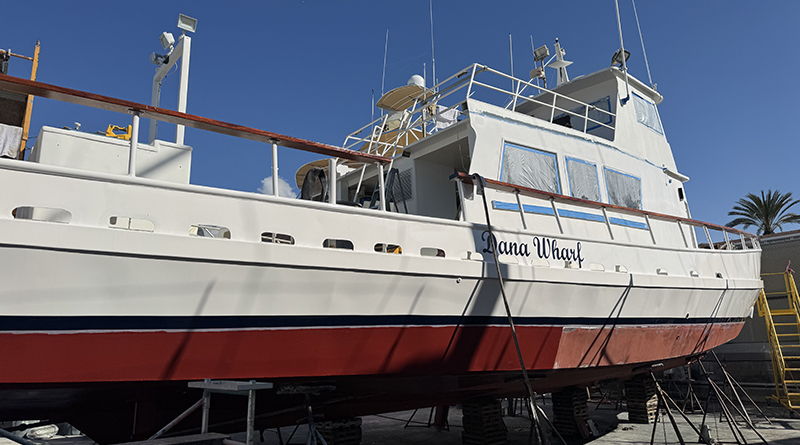
Shipyards across Southern California rely on these specialists for both routine and complex projects. Facilities such as Dana Wharf Shipyard, Driscoll Boat Works in San Diego, and Newport Harbor Shipyard in Newport Beach are well-known for offering comprehensive shipwright services, capable of handling everything from traditional wooden yachts to modern fiberglass cruisers and commercial vessels. These yards provide the lift capacity, workspace, and technical support needed for shipwrights to inspect, rebuild, and reinforce hull structures safely and effectively.
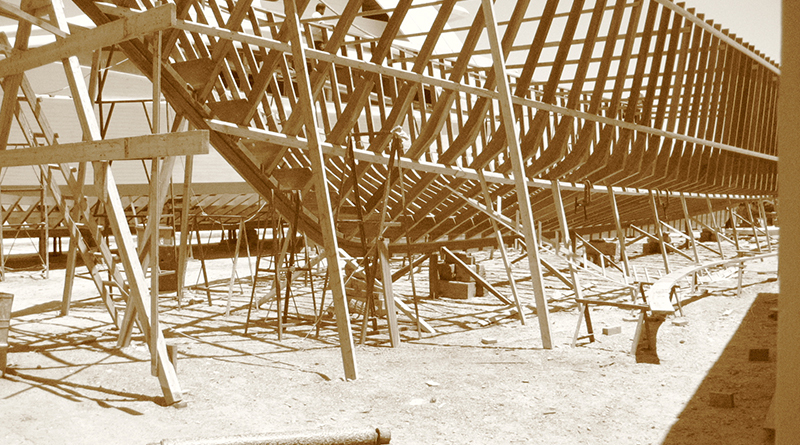
Wooden boats, in particular, depend heavily on shipwright expertise. Wood deteriorates when exposed to moisture intrusion, fungus, and temperature changes. Even a small leak or compromised seam can allow water to penetrate the grain, leading to rot. Once rot begins, it spreads through planks, frames, and stringers, undermining the vessel’s strength. Shipwrights must remove the damaged sections, replace them with new marine-grade lumber, seal the area, and ensure the structure returns to its original shape. Without timely repairs, a wooden boat can quickly become unsafe — or even unsalvageable.
Metal vessels are not immune to deterioration either. Steel hulls can suffer from corrosion, pitting, and rust when protective coatings fail or when prolonged moisture contact occurs. Aluminum boats face their own challenges, including galvanic corrosion, where dissimilar metals underwater create electrical reactions that eat away at the aluminum itself. These issues require cutting out damaged sections, fabricating new plates, welding them in place, and applying fresh coatings to prevent further decay. Left unchecked, corrosion can compromise watertight integrity and weaken structural components essential to safe operation.
Even fiberglass boats, which many assume are low-maintenance, require shipwright attention when damage extends beyond the surface. Fiberglass can delaminate, blister, crack from impact, or weaken around high-stress areas such as keels and transoms. Repairs often involve grinding out compromised material, rebuilding the laminate, reinforcing the structure, and restoring the hull’s original contours. Skilled shipwrights ensure that repairs are both strong and fair, maintaining structural strength as well as hydrodynamic performance.
Shipwright work is meticulous and often invisible when completed correctly — but its impact is significant. A vessel with sound structural integrity handles better, lasts longer, and remains safer in rough conditions. Whether it’s replacing rotted planks, addressing corrosion on a steel fishing boat, rebuilding a fiberglass transom, or restoring a classic yacht, shipwrights ensure that the heart of the vessel — the hull — remains secure.
For boat owners, regular inspections and early intervention are key. If caught early, many structural issues can be repaired before they become major. Shipyards like Dana Wharf Shipyard, Driscoll Boat Works, and Newport Harbor Shipyard provide the resources and expertise needed to maintain the long-term health of a boat, no matter the material. In an era of digital navigation and high-tech engines, the ancient craft of the shipwright remains as essential as ever — protecting the integrity of the vessel and keeping boaters safe on the water.