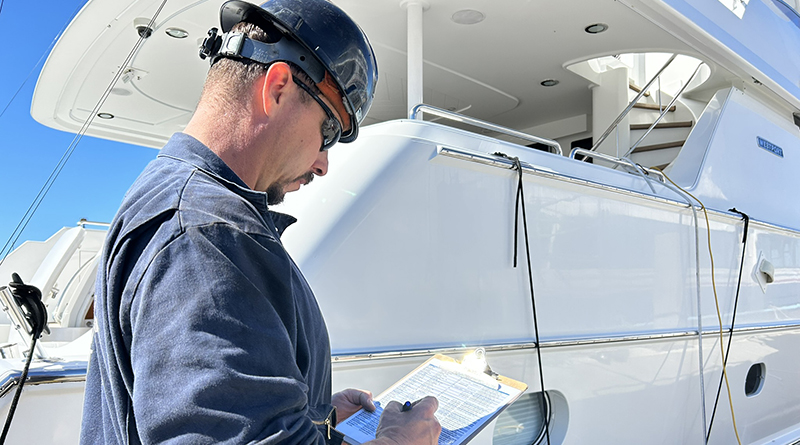
While Southern California may not see the icy harbors or snow-covered docks that East Coast boaters face each year, the region still experiences a noticeable slowdown in the boating season. Cooler temperatures, shorter days, and periods of inactivity can quietly take their toll on vessels that sit unused for six to eight months. For local boaters, winter is the ideal time to perform preventive maintenance and ensure their boats remain seaworthy and ready for spring.
Many boaters underestimate how much damage can occur simply from disuse. Engines left idle can suffer from corrosion and moisture buildup, while stale fuel, unlubricated fittings, and unnoticed hull wear can lead to expensive repairs once the season starts again. Taking the time to prepare a boat before it goes dormant can prevent a host of problems and extend the vessel’s overall life.

Lesley Messano of Cabrillo Boat Shop in Long Beach emphasized the importance of keeping mechanical systems active, even when a boat isn’t being used regularly. “Run your engines monthly, exercise your valves and ensure you have properly functioning bilge pumps,” said Messano.
For vessels that stay in the water year-round, routine underwater maintenance remains one of the most effective ways to prevent costly issues. According to Messano, “Monthly dive maintenance and reports will ensure your bottom is being cleaned and properly zinced. Having properly working galvanic isolators and keeping the boats battery levels adequate will prevent system issues.”
Environmental exposure is another concern for Southern California boaters. The region’s salt air, UV rays, and humidity can be harsh on materials and systems even without freezing temperatures. As Messano pointed out, “Salt is highly corrosive and washing your boat down after use, waxing the hull biannually and covering brightwork and upholstery will help with the environmental factors.”
Protecting the boat’s appearance and interior components is also part of smart off-season care. “Waxing every 6 months and covering your upholstery and varnish will help prolong the life expectancy of your gelcoat, brightwork, and upholstery,” Messano added.
While Messano focuses on the value of routine upkeep, Aaron Huber from Marine Group Boat Works in San Diego underscored the importance of paying attention to lubrication and mechanical systems before boats sit idle. “You want to make sure the moving parts are greased before your boat sits unused in winter storage, which guarantees that moisture, oxidation, and friction don’t have months to damage critical components while the boat is idle. Proper winter maintenance prevents corrosion, protects seals & bearings, reduces friction on startup & extends equipment life,” said Huber.
Huber explained that many boaters overlook key lubrication points that can lead to serious performance and safety issues if ignored. “When it comes to lubrication, some of the most neglected areas of a boat are the cable and linkage points on steering systems. Untreated cables can stiffen or seize, making it dangerous to steer – especially when docking. Throttle and shift cables should also be lubricated before winter storage. Any neglected cables can stick or snap, causing jerky acceleration, delayed gear engagement, or loss of throttle control. Ignoring the lubrication piece doesn’t just shorten the lifespan of parts, it can directly affect the reliability, handling, and safety when the boat returns to service. Regular greasing keeps systems smooth, prevents corrosion, and ensures a safer first trip of the season.”
When choosing lubricants, Huber advised that the right marine-grade products make all the difference. “Choosing the right lubricant and knowing how often to apply are key to protecting a boat during long periods of inactivity. Always make sure to use marine-grade greases and avoid generic automotive grease. In general, the best marine-grade products are known for handling temperature extremes and are washout resistant to stay in place and retain tackiness for long periods of time. There are many lubricants on the market to choose from, so we always go with the OEM recommendation at the Marine Group Boat Works.”
As for how often to reapply, Huber recommends consistency and record-keeping. “If you use your boat frequently in saltwater, you may need to grease critical components every 3 – 6 months, but it depends on your environment. For long-term storage, we recommend to grease just before storage, and then inspect and potentially reapply every 3 months if you can access the boat. Never assume ‘once-and-done’ is enough if your boat is in a highly corrosive environment. However, be aware that over-greasing can cause buildup that can lead to trapping water or grit. Always consult a professional if you are unsure. You can usually follow your boat, engine, and gear manufacturer’s recommended grease points and intervals if this is available to you. Before your first launch after storage, we recommend that you bring everything back up to an optimal state. Apply fresh grease to all points and remove any grease that’s separated or contaminated from storage. It may help to keep a maintenance log: record what greasing was done, what product used, date, parts greased. It helps for consistency and resale value.”
Huber also noted that off-season maintenance goes beyond lubrication and should include larger preventive measures to protect the investment. “The off-season is the perfect time to do preventative maintenance that saves headaches and costly repairs in the spring. Aside from waxing the hull and greasing, there are several off-season services and maintenance tasks every boat owner should consider related to the engine, and drive systems. Change engine oil and filters to avoid contaminants from old oil. Flush and drain cooling systems by running fresh water (and antifreeze if applicable) through outboards, inboards, or sterndrives to remove salt and prevent freezing damage. It’s also a good idea to add marine fuel stabilizer and briefly run the engine to circulate it. This prevents varnish buildup and gummed-up injectors or carburetors. We also recommend boat owners to check their propeller and shaft. You should remove your propeller and inspect for fishing line or damage and apply waterproof grease to the shaft. If the service is available, you should consider professional digital prop scanning and dynamic balancing to increase performance.”
A key step in winterizing any boat is to drain the engine completely. Removing any water or liquid from the system helps prevent potential freezing and internal damage, even in areas with mild winter temperatures. Once drained, replacing the engine oil ensures that the system is clean and protected from contaminants during the months of inactivity. Applying fogging oil is another safeguard, coating the internal engine components to prevent rust and corrosion from developing.
Fuel systems also require attention before storage. Adding a premium fuel stabilizer keeps the gasoline from going stale, which helps prevent clogging or gumming in the lines and injectors. Many boaters also choose to fill the engine block with antifreeze, a step that provides peace of mind against sudden temperature drops.
In addition to mechanical protection, it’s crucial to inspect the hull carefully before leaving the boat unattended. Any cracks, blisters, or chips in the gel coat can worsen over time if moisture seeps in. Addressing these minor issues during the off-season can save significant costs later. Likewise, greasing gears and fittings prevents rust on moving parts, ensuring that steering, throttles, and other mechanisms remain smooth and functional when the boat returns to the water.
Even though Southern California’s climate is forgiving, the combination of salt air, moisture, and inactivity can quietly deteriorate a vessel’s systems. Taking these winter precautions demonstrates good seamanship and keeps boats performing their best year after year. As Messano and Huber both agree, the off-season isn’t just downtime—it’s the perfect opportunity to protect your boat, extend its lifespan, and ensure it’s ready to perform flawlessly when spring arrives.